US Heatwave Puts July 4 Crowds at Risk as Records Fall
Over 60 million Americans face dangerous heat before July 4, with feels-like temperatures near 45 C and records possible across central and eastern US.
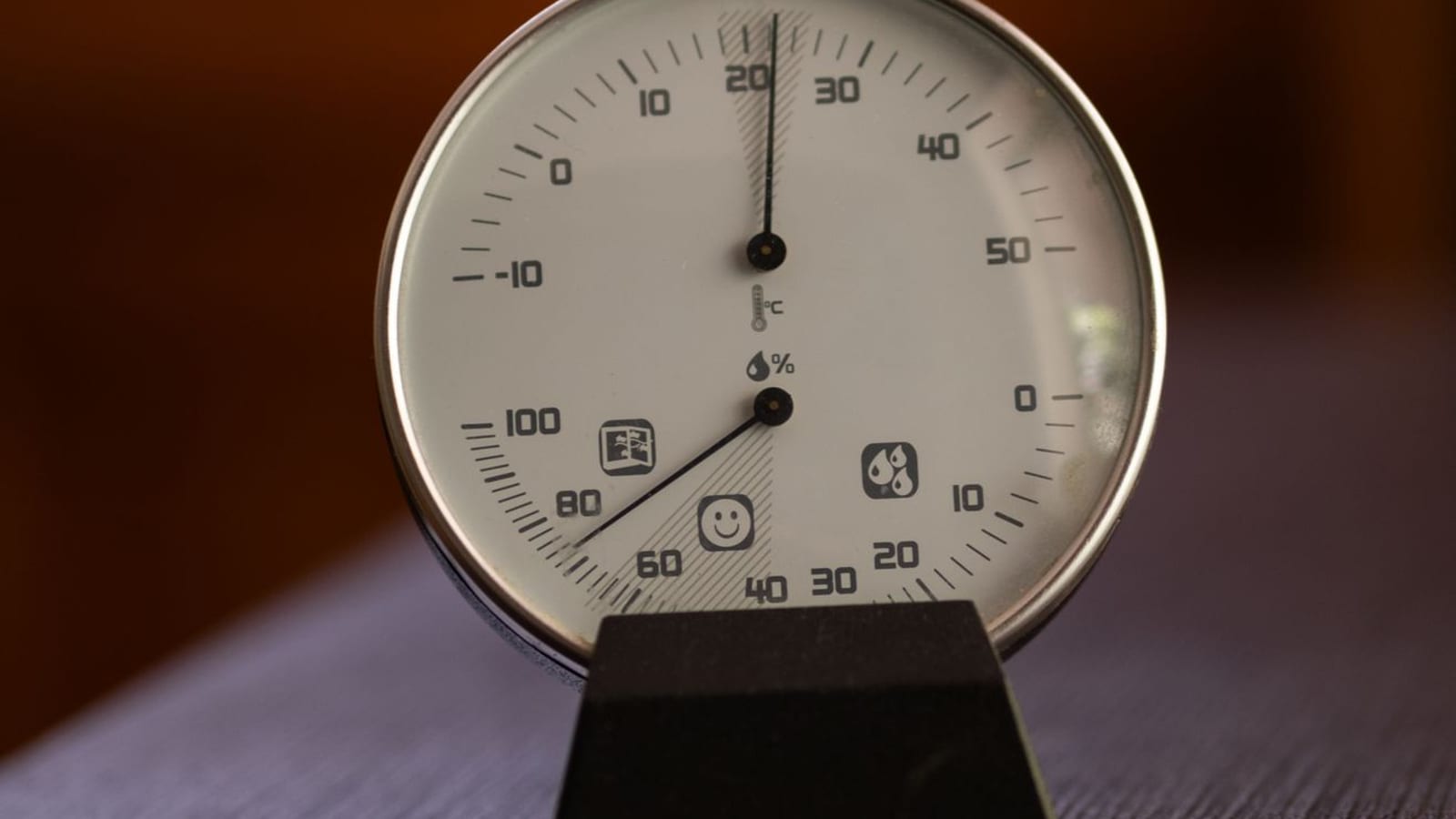
More than 60 million people in the United States are staring at a cruel holiday week.
The country wants fireworks, football, and flag-waving for July 4. Instead, many cities now face a dangerous wall of heat, the kind that turns pavements into plates and cars into traps.
For Indian readers, this is not just another American weather story. It is a preview of how rich countries also struggle when heat crosses human limits.
America sweats before July 4
The National Weather Service has warned that large parts of central and eastern America could see records fall this week. In some places, the actual temperature may cross 38 degrees Celsius.
The “feels like” temperature may climb near 45 degrees Celsius because of heavy humidity. Anyone from Chennai, Kolkata, Delhi, or Nagpur knows what that means. Sweat stops helping, shade feels weak, and ordinary work becomes exhausting.
The timing makes the heatwave more visible. America is preparing to celebrate 250 years of its Declaration of Independence on July 4. Washington expects major crowds and a large fireworks show.
But heat does not respect national mood. It changes what people can safely do outdoors. It also tests whether city systems can protect the old, the poor, children, and outdoor workers.
Cities rush emergency cooling
Chicago, America’s third-largest city, has opened cooling centres. City workers are also checking on vulnerable residents who may need help.
That matters because heat does not kill only through dramatic collapse. It often kills quietly, inside small rooms, parked cars, and homes where cooling fails.
In New York, officials have announced an unusually large heat plan. The city is sending vans with water. It is also setting up temporary cooling stations with misting systems and cold towels.
This sounds basic, but it saves lives. A glass of water, a shaded stop, and a cool public room can decide whether someone returns home safely.
America has widespread air-conditioning, unlike many parts of India. Still, that does not solve everything. Power bills hurt. Homeless people cannot switch on cooling. Elderly residents may avoid using air-conditioners to save money.
For India, this is the sharp lesson. Air-conditioning protects those who can afford it. Public cooling infrastructure protects everyone else.
Football meets furnace weather
The heatwave has arrived while the FIFA World Cup is being hosted by the United States, Canada, and Mexico. Knockout matches are scheduled under difficult conditions.
The France versus Sweden match is listed at the New York New Jersey Stadium. Norway versus Ivory Coast is set for Dallas, another city familiar with punishing heat.
Footballers are fitter than almost anyone watching them. But even elite athletes struggle when heat and humidity rise together. The body cannot cool itself properly when the air already feels wet.
For spectators, the risk may be even greater. Fans stand in queues, travel across cities, drink less water than they should, and often underestimate the sun.
India should pay attention here too. We host cricket, political rallies, religious gatherings, and festivals in brutal heat. The old habit of “adjusting” is no longer enough.
Sports bodies now need heat rules, cooling breaks, shaded queues, medical teams, and honest cancellation plans. Pride should not decide public safety.
Heat now shapes daily life
Health agencies in America have warned people about heat illness. The warning signs include cramps, dizziness, exhaustion, and heatstroke.
Heatstroke is the serious one. The body’s temperature rises fast, and organs can start failing. It needs urgent medical care, not home remedies.
Children trapped in hot cars remain a major concern. Nine such deaths have already been recorded in America this year. The annual average is 37, according to the National Safety Council.
That number should make every parent pause. A closed car can heat up frighteningly fast, even when the outside weather does not feel extreme.
For workers, the problem is more routine. Delivery staff, construction workers, security guards, farm labourers, and street vendors face heat as part of the job.
In India, this is already a daily economic issue. A worker who slows down in May is not lazy. The body is protecting itself. A shopkeeper who closes during peak afternoon loses income, but staying open may harm health.
Climate change is making such heatwaves stronger and more frequent across the world. Europe faced a severe heat spell in June. Now America is dealing with one during its biggest public holiday week.
The old divide between “developed” and “developing” countries looks weaker under this kind of heat. Rich countries have better machines. Poorer countries often have tougher people. Neither is enough when the climate keeps moving the line.
For ordinary readers in India, the message is simple. Heat is no longer background weather. It is a public health problem, an economic problem, and a planning problem. The countries that learn to protect people before the thermometer peaks will lose fewer lives, fewer workdays, and fewer illusions.