US Heatwave Puts New York Power and Health on Alert
Millions in the eastern US face dangerous heat as New York and Washington brace for high humidity, power demand and public health risks.
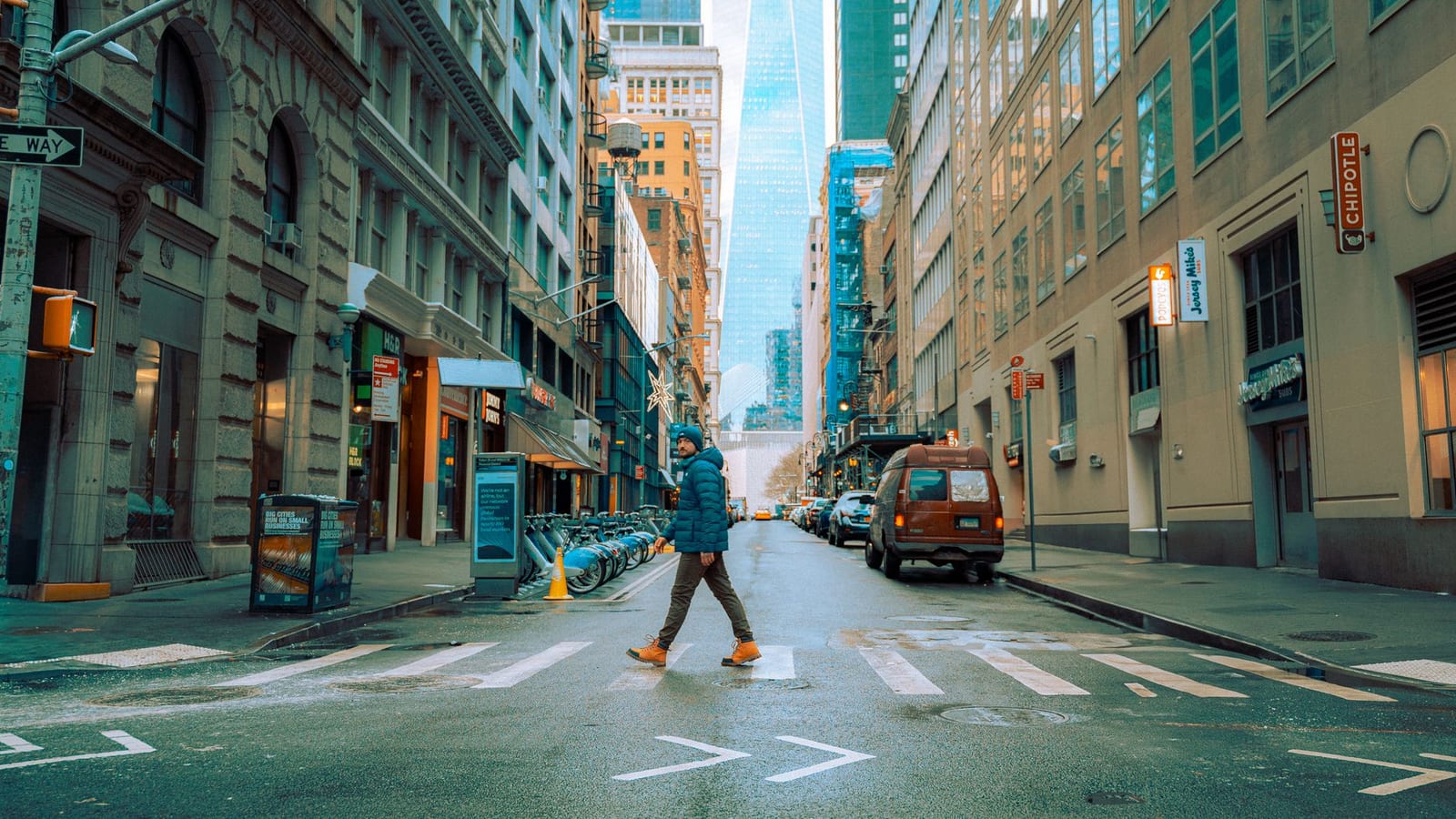
When New York starts feeling hotter than many Indian cities in May, the story stops being about weather. It becomes a test of power lines, public health, sport, and common sense.
Millions across the eastern United States are under a dangerous heat spell this week. Washington and New York are among the big cities facing punishing temperatures.
For Indian readers, this is not some distant climate postcard. It is a preview of how even rich cities struggle when heat, humidity, and electricity demand arrive together.
Heat that feels dangerous
The NWS, the US weather agency, has warned of record-level heat across central and eastern America. It expects the worst conditions to last until Friday, then shift towards the East Coast during the Independence Day weekend.
The numbers look brutal because humidity is doing the dirty work. In New York City, the heat index could touch 43 degrees Celsius. In nearby suburbs, it could feel closer to 46 degrees.
A heat index means what the body actually feels. When the air holds too much moisture, sweat does not cool the skin quickly. That is when 37 degrees can feel like a slap.
New York Mayor Zohran Mamdani warned that the city could face its most extreme heatwave in over a decade. Thunderstorms may arrive on Friday, but they will not erase the risk.
Why air conditioning is not enough
America has far more air-conditioned buildings than India. Yet heatwaves kill more people there than hurricanes and floods. That should make everyone pause.
The reason is simple. Heat does not look dramatic on television until hospitals fill up. It works quietly, especially on older people, patients, children, and tourists unused to sticky heat.
The nights matter too. If temperatures stay high after sunset, the body gets no break. Anyone who has slept through a North Indian power cut in June understands that problem.
The NWS has also warned that electricity and water services could face pressure. In Chicago, local power company ComEd said the grid was under extreme strain and asked users to cut consumption immediately.
New York’s mayor drew criticism after asking people to unplug unused devices and set air conditioners at 25.5 degrees Celsius. Many residents saw it as an uncomfortable ask during dangerous heat.
But the grid logic is clear. If too many homes cool too hard at the same time, the network can stumble. Then comfort becomes a lottery, not a guarantee.
World Cup meets American summer
The timing makes the crisis even more awkward. The US is preparing for the 250th anniversary of its Declaration of Independence on Saturday. Many events are planned outdoors.
The FIFA World Cup is also running across the US, Canada, and Mexico. That brings another problem, because several stadiums are open-air venues.
Some stadiums, like those in Atlanta, Dallas, and Los Angeles, have roofs, cooling, or both. Others do not. Philadelphia, where France play Paraguay on Saturday, is one of the exposed venues.
That match is scheduled for 5 pm local time. Philadelphia is under a heat alert, with temperatures expected between 35 and 40 degrees Celsius until Saturday.
For players, that changes the rhythm of the game. For spectators, especially families and older fans, it changes the meaning of a day out.
Toronto has already felt the pressure. Ahead of Portugal’s match against Croatia, authorities cancelled a large-screen public viewing in the city centre because daytime highs could reach 37 degrees. The fan zone stayed open.
The India lesson is clear
For India, the American heatwave carries a sharp message. Heat is no longer just a poor-country problem. It is an infrastructure problem, a health problem, and an event-planning problem.
Indian cities already know this pattern. Delhi, Ahmedabad, Mumbai, and Kolkata have all seen how heat can disturb schools, offices, hospitals, trains, and street trade.
But the American case shows one extra point. Money helps, but it does not make a city heat-proof. Power grids, water systems, public warnings, and cooling shelters all need planning.
A heatwave also exposes inequality very quickly. The person in a sealed office feels one city. The delivery worker, construction worker, tourist, or elderly resident feels another.
That is why public advice cannot stop at “stay indoors”. Cities need shaded bus stops, drinking water points, alert systems, and emergency medical readiness. Big events need heat plans, not just security plans.
For Indians with relatives, students, or colleagues on the US East Coast, the advice will sound familiar. Drink water before you feel thirsty. Avoid the afternoon sun. Check on older people. Do not treat humid heat as ordinary summer.
The next few days will show whether American cities can manage heat like they manage storms. For ordinary people, the lesson is even plainer. The future will not be measured only in degrees. It will be measured by who can stay safe when the power grid, the street, the stadium, and the night all turn hot at once.