Heat index near 45C derails Washington holiday fair
Washington's National Mall fair paused amid a severe July 4 heat wave, with nearby parades cancelled as humidity made outdoor plans unsafe.
A summer holiday can turn risky very fast when the air feels like 45 degrees Celsius.
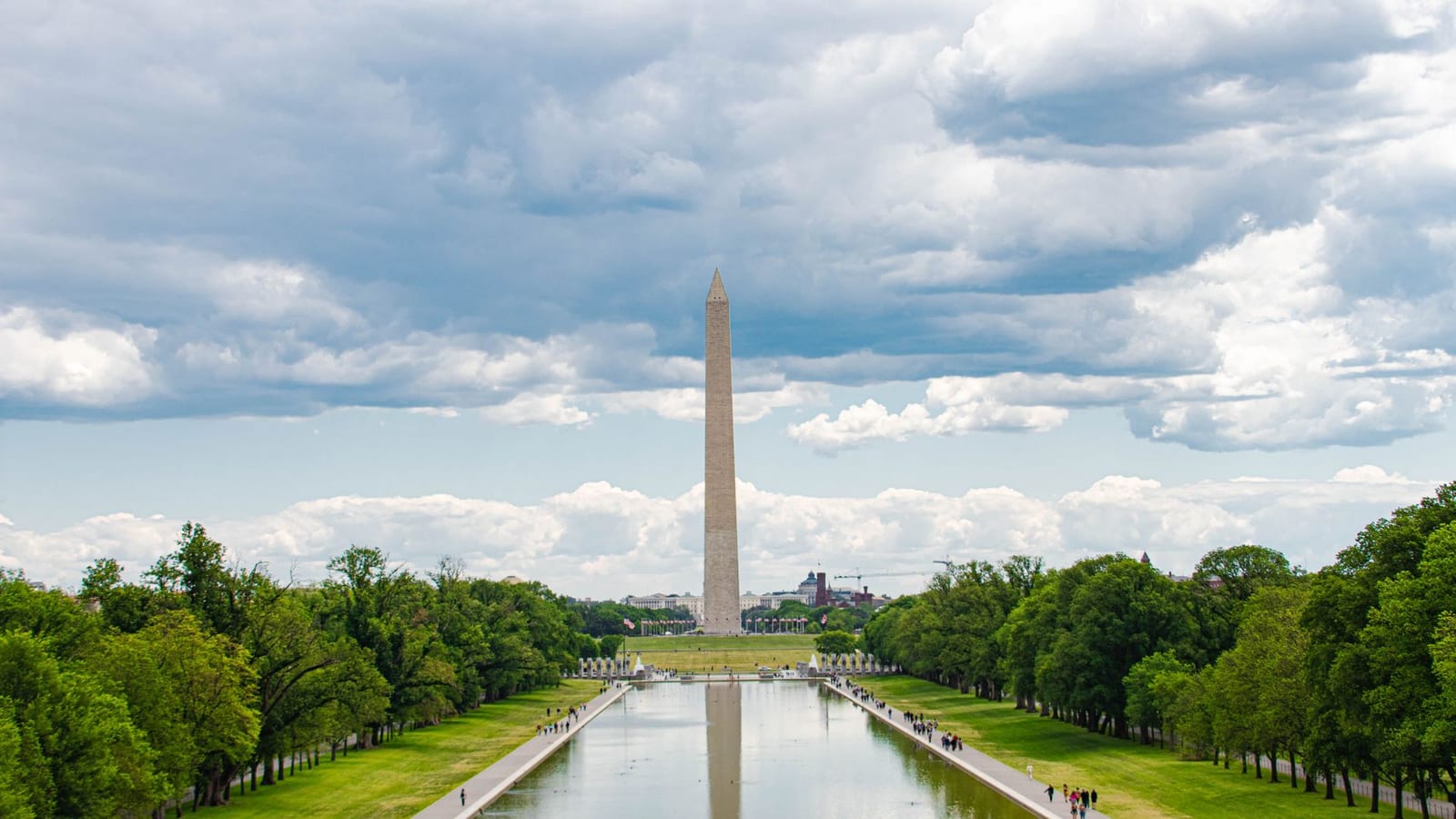
That is what parts of the US East Coast faced as a harsh heat wave pushed into the July 4 weekend. In Washington DC, officials temporarily shut the Great American State Fair on the National Mall, while several Independence Day parades nearby were cancelled.
For Indian travellers in the US, especially families visiting relatives during school holidays, this is the kind of disruption that rarely shows up in glossy travel plans. The fireworks may still happen, but the day around them can become tiring, expensive, and even unsafe.
Washington adjusts its July 4 plans
The heat index in Washington was expected to reach 113 degrees Fahrenheit, or about 45 degrees Celsius. The heat index measures what the body actually feels, once humidity joins the temperature.
That matters because humid heat drains people faster. Anyone who has walked through Delhi in June or Chennai in May will understand the difference.
The Great American State Fair on the National Mall closed temporarily until 5 pm on Friday. Freedom 250, the Trump administration-backed group linked to the programme, said visitor and staff safety came first.
The shutdown affected guests, volunteers, performers, vendors, and workers. For food sellers and small operators, even a few lost peak hours can hurt. Holiday crowds often decide whether a stall has a good day or a wasted one.
Concerts continue with caution
The annual Capitol Fourth Concert was still scheduled for Friday evening on the West Lawn of the US Capitol. But US Capitol Police pushed public gate opening to 7 pm, closer to sunset.
Officials urged visitors to carry enough water. They also allowed non-glass water bottles and coolers, a practical change in punishing weather.
The concert line-up included Patti LaBelle, Alan Jackson, Chicago, Kool & the Gang, the National Symphony Orchestra, and US military music groups. The Thursday rehearsal had already been closed to the public due to heat.
This year’s schedule also shifted because Freedom 250 fireworks and related events were planned for the National Mall on July 4. President Donald Trump was due in South Dakota for a speech and fireworks at Mount Rushmore, before another Washington event on Saturday.
Parades, trains and travel plans suffer
The heat wave did not stop at Washington. Parades were cancelled in Leesburg, Virginia, and in Laurel and Takoma Park, Maryland.
Other places, including Boston, Norristown in Pennsylvania, and Gettysburg National Military Park, also changed plans. These are not small local tweaks. July 4 is one of America’s biggest travel and public celebration weekends.
Amtrak cancelled some trains in the Northeast because extreme heat can affect tracks. Rail lines expand in high temperatures, and that can make operations unsafe.
For tourists, this creates a familiar chain reaction. A delayed train can mean missed hotel check-ins, expensive ride-hailing, tired children, and lost sightseeing hours.
Indian visitors should read this as a reminder. In the US, summer travel is not only about visas and tickets. Weather can change the rhythm of a trip in one afternoon.
Power demand becomes political
In New York City, the heat index touched 106 degrees Fahrenheit on Thursday. Mayor Zohran Mamdani urged residents to conserve electricity amid high demand and load pressure.
He asked people to set air-conditioners at 78 degrees Fahrenheit, around 25.5 degrees Celsius. He also asked them to switch off lights and electronics when not needed.
Republican senators Rick Scott and Lindsey Graham attacked the appeal, turning a power-saving message into a political argument. That may sound dramatic, but heat often exposes deeper stresses.
Cities need cooling to keep people safe. Yet too many air-conditioners running together can strain the grid. That tension is now part of urban life, from New York to Mumbai.
For ordinary people, the debate is less ideological. They want the lights on, the AC working, and the subway or train running.
What travellers should remember
The practical lesson is simple. If you are travelling across the US East Coast during summer, treat heat alerts seriously.
Carry water before you enter crowded venues. Use sunscreen, hats, and light cotton clothing. Plan indoor breaks in museums, cafes, or malls during the hottest hours.
Check official event pages before leaving the hotel. A parade cancelled at noon can still leave streets blocked and transport crowded.
Families with children and elderly travellers should avoid long waits in open spaces. Heat illness can creep in quietly, especially when people are distracted by crowds and festivities.
The larger story is also hard to miss. Big public celebrations now need heat plans, not just security plans. For travellers, the best itinerary is no longer the fullest one. It is the one with room to pause, cool down, and change course without ruining the whole trip.