US-Iran Hormuz pledge eases India fuel price worries
Iran's assurance on Hormuz shipping fees under a US-led peace push may ease crude risks, fuel prices and airfares for India in the near term.
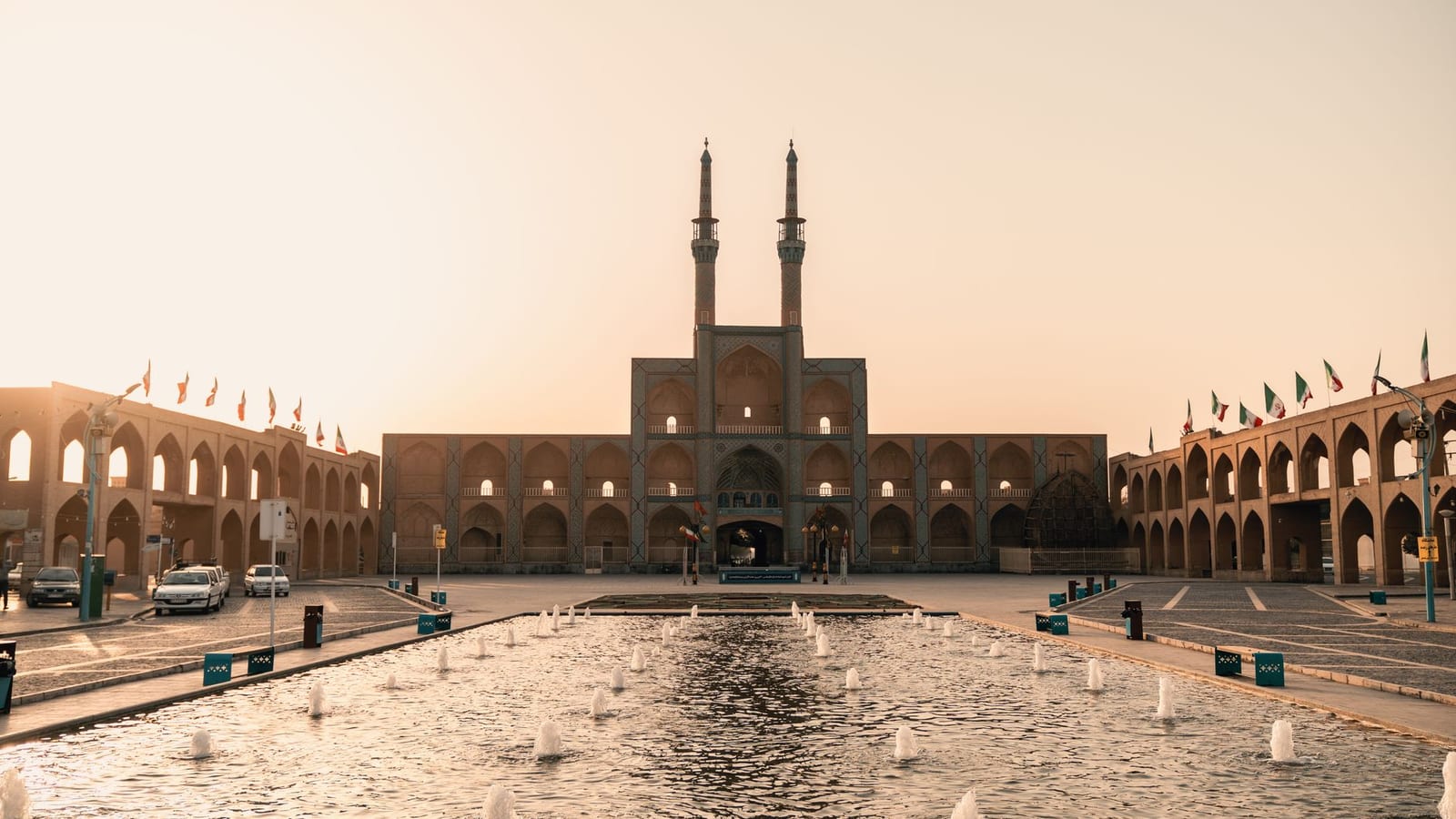
A ship waiting near the Gulf can raise petrol prices in India faster than most speeches in Parliament.
That is why the latest US-Iran peace push matters here. It is not some distant diplomatic drama. It sits inside flight tickets, fuel bills, Gulf jobs, and the nerves of Indian families with relatives across West Asia.
Donald Trump said on Wednesday that Iran had told Washington it would not seek tolls, insurance fees, or extra charges from ships crossing the Strait of Hormuz. He warned that talks would collapse if that claim proved false.
Hormuz calm matters to India
The Strait of Hormuz is a narrow sea lane with huge power. Around a fifth of global oil and liquefied natural gas moves through it.
For India, that means one simple thing. Trouble there can quickly become costlier crude, dearer petrol, and higher airfares.
Brent crude fell below $75 a barrel on Wednesday. That was its first drop under that mark since the US-Israel war with Iran began on February 28.
Energy traders read the US-Iran framework deal as a sign that supply risks may ease. Ordinary Indians may not track Brent prices daily, but airlines, refiners, and transporters certainly do.
When crude cools, pressure eases on fuel companies and carriers. It may not instantly cut ticket prices. But it reduces the fear of sudden fare spikes during peak travel.
Gulf travel watches diplomacy
Millions of Indians live, work, and travel through the Gulf. For them, regional stability is not abstract policy talk.
A nurse in Kuwait, an engineer in Dubai, or a family transiting through Doha all feel it. When tensions rise, airports get jittery and routes get watched closely.
The United States has reopened its embassy in Kuwait after suspending operations in March. The State Department said emergency services for American citizens would resume first.
That reopening sends a wider signal. Washington believes the immediate threat has eased enough to restart diplomatic work there.
Secretary of State Marco Rubio also met top UAE officials in Abu Dhabi. His Gulf tour aims to calm allies who fear Washington may have given Tehran too much room.
For Indian travellers, the practical question is simple. Will flights remain normal, insurance costs stay manageable, and Gulf airports avoid disruption?
For now, the answer looks better than it did weeks ago. But the region has a habit of changing mood overnight.
The deal still has cracks
The US and Iran plan to resume talks next week after a first round in Switzerland.
Both sides still disagree on key parts of the framework. These include financial incentives, sanctions relief, and control around the Strait of Hormuz.
The deal includes a proposed $300 billion reconstruction fund and partial sanctions relief. Trump denied claims that the US had transferred money to Iran.
He said any released Iranian funds would remain under American oversight. The money, he said, would buy American farm products.
That detail matters because money is always the hardest part of sanctions diplomacy. Tehran wants relief it can feel. Washington wants proof it has not rewarded bad conduct.
Iran’s chief negotiator Mohammad Bagher Ghalibaf said Tehran still wants foreign military forces to leave the Middle East. That is not a small demand.
It speaks to the old argument at the heart of the region. Iran sees foreign troops as pressure. Gulf states see them as protection.
Nuclear inspections remain sensitive
The nuclear issue could still trouble the entire arrangement.
Rafael Grossi, chief of the IAEA, said inspections of Iranian nuclear facilities would take place soon under the interim deal.
Iran pushed back. Tehran said access to key sites and nuclear material would come only after a final agreement and sanctions relief.
That is a serious gap. Inspectors want to know what survived recent attacks and where material is stored.
Before the conflict, the IAEA estimated Iran had 440.9 kilograms of uranium enriched up to 60 percent purity. That level is not weapons grade, but it is close enough to alarm capitals.
Grossi said more than 200 kilograms may be inside an underground tunnel complex in Isfahan. He said that site appears to have suffered limited damage.
For ordinary readers, strip away the jargon. The world wants to know how much enriched uranium Iran still has, and where it is.
Until that answer comes, the peace deal will carry a heavy question mark.
Wider region stays tense
The mood is not calm everywhere.
The Israeli military said it killed two armed Hezbollah operatives in southern Lebanon. It said they posed an immediate threat near the security zone.
Hamas also accused Israel of pushing Gaza talks back to square one. A senior Hamas official said Israeli demands had damaged progress on aid and future administration.
These conflicts may seem separate from the US-Iran deal. In West Asia, they rarely stay separate for long.
Oman is working with the UN maritime agency on a temporary transit corridor through Hormuz. Qatar has said shipping could return to pre-war levels within about a month.
That would help global trade and travel confidence. But rebuilding trust takes longer than reopening a route.
For Indians planning Gulf travel, the sensible approach is boring but useful. Track airline advisories, check insurance clauses, and avoid tight connections during uncertain weeks.
For families with workers in the region, the bigger hope is steadier. They want normal flights, predictable remittances, and fewer late-night calls filled with worry.
The US-Iran deal may yet hold. It may also bend under old mistrust. For India, the lesson is clear. Peace in the Gulf is not foreign news. It is part of our household budget, our airport queues, and the lives of millions who move between India and West Asia.