Marathi Father's Day Wishes Trend Across Maharashtra
Marathi Father's Day poems and wishes are gaining traction on WhatsApp and Instagram as families use short lines to express gratitude to fathers.
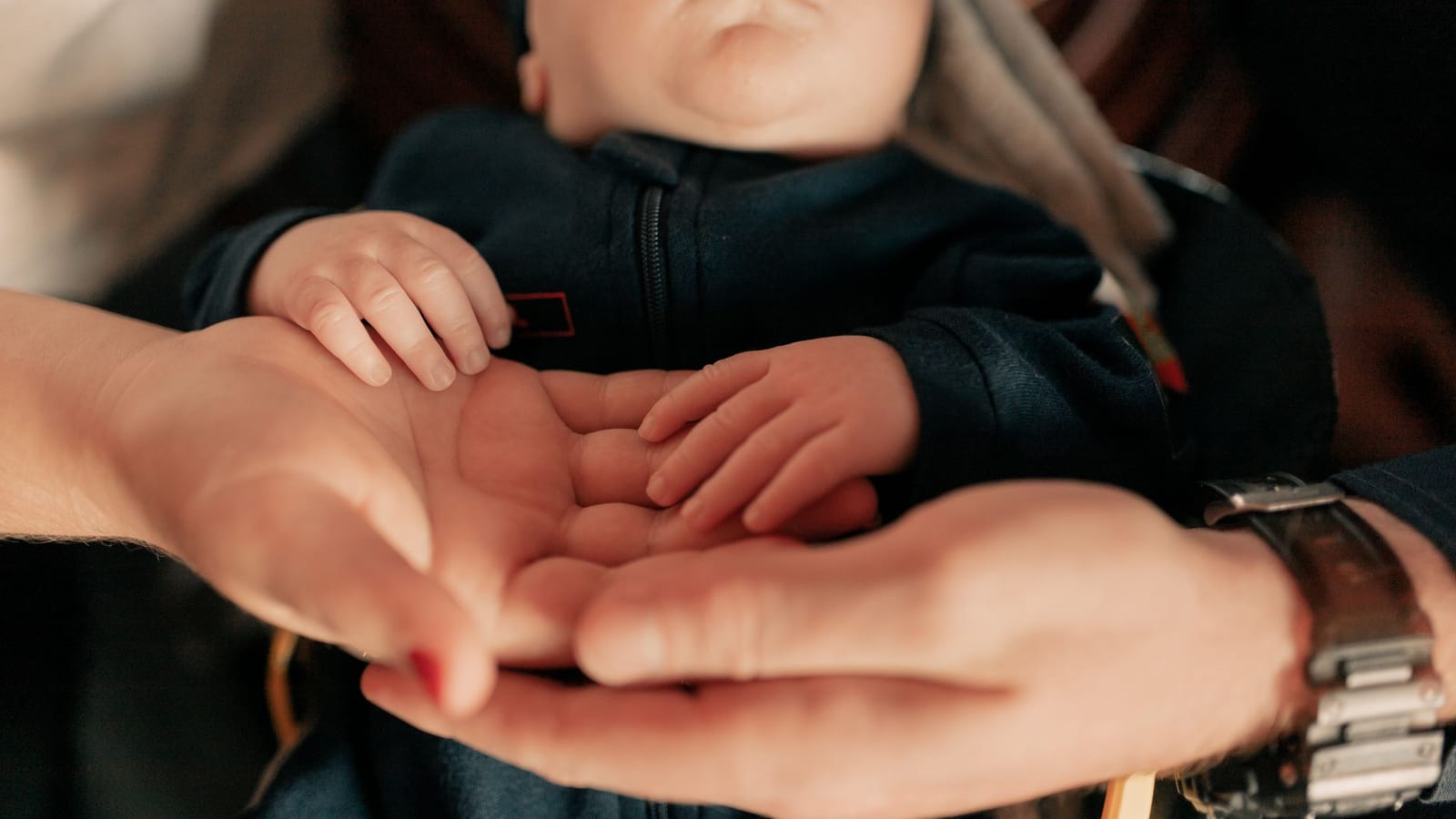
A father rarely asks for a thank you, but one line on a phone screen can still undo years of silence.
This Father’s Day, many Marathi families are turning to poems, short wishes, and status lines to say what everyday life often leaves unsaid. The mood is simple. Fathers may look strict outside, but children know the softer story behind that silence.
The most shared lines circle around one idea: a father may keep his own pockets empty, but he rarely lets a child feel poor.
Marathi wishes find fresh life online
Across Maharashtra, Father’s Day has become more than a greeting-card moment. It now lives on WhatsApp statuses, Instagram stories, family groups, and late-night messages sent after much hesitation.
That matters because Indian families do not always speak emotion directly. A son may not say “I love you” easily. A daughter may not know how to thank her father without feeling awkward. A poem gives them a bridge.
The Marathi lines now doing the rounds lean on familiar images. A father becomes the roof over the home. He becomes the hand that holds a child on a thorny road. He becomes the quiet strength that stands firm when the house shakes.
These are not new feelings. What is new is the ease of sharing them. One copied line can travel from Pune to Parbhani in seconds. One old-school father, who may never react much in person, may still save that message quietly.
The father as quiet provider
The strongest theme in the poems is sacrifice. The father is shown as someone who cuts his own wants first, so a child can dream bigger.
One popular sentiment says the richest man is not the one with the fullest wallet. It is the father who never says no, even when money is tight. That line works because it feels painfully familiar in many Indian homes.
For a small business owner, this may mean stretching credit for school fees. For a salaried parent, it may mean postponing a personal purchase. For a farmer, driver, mechanic, clerk, or shopkeeper, it may mean hiding worry from the family.
The poems also contrast mothers and fathers in a way many readers understand. The mother’s love is visible, warm, and spoken. The father’s love often sits inside work, discipline, and worry.
That contrast can be imperfect, of course. Many fathers are openly affectionate. Many mothers carry financial burdens too. But the emotional shorthand still lands in Indian homes, where care often wears the face of duty.
Why short lines work better
The source material includes both poems and short status lines. The short lines may travel further.
That is how digital emotion works now. A four-line poem suits a personal message. A one-line wish suits a status. It lets people show feeling without making a big performance of it.
The best lines avoid heavy language. They say a father stands behind you when the world turns away. They say a child’s smile often comes from a father’s hard work. They say a home has comfort because someone silently carries its weight.
This is why regional language matters. English wishes can sound polished, but Marathi often lands closer to the chest for Marathi-speaking families. The word “Baba” carries a softness that “father” does not always have.
For many young professionals living away from home, that one word can do a lot of work. It can carry apology, gratitude, distance, and memory in a single message.
Emotion becomes a digital habit
There is also a small but real business story here. Festivals and special days now feed a steady market for greetings, quote cards, short videos, templates, and social media posts.
Every such occasion creates demand for ready-made emotion. People search for the right words because they feel something, but cannot frame it quickly. Content creators, media platforms, and design apps understand this very well.
Father’s Day sits neatly inside that pattern. It is not as commercial in India as Diwali or Raksha Bandhan. Still, it has grown into a recognisable digital ritual, especially among younger users.
The attraction is not only sentiment. It is convenience. A person can choose a line, add a photo, and post it within a minute. The act may look small, but it still signals care.
That convenience also has a risk. When everyone shares the same few lines, the feeling can become routine. The more honest move is to take a line as a starting point, then add one personal memory.
A simple “thank you for waiting outside my exam centre” may beat the most polished poem. A father who remembers the day will understand the value immediately.
The silence behind the message
The poems keep returning to one image: a father who looks hard from the outside, but carries tenderness within. That image has lasted because many families have lived it.
Indian fathers of an older generation often showed love through action. They paid bills, stood in queues, made calls, fixed problems, and said very little. Children sometimes understood this only much later.
Father’s Day offers a small correction. It lets adult children look back and name what they once missed. It also lets younger children see care beyond scolding, rules, and early morning school runs.
This does not mean every father-child bond is simple. Some relationships carry distance, disappointment, or pain. A greeting cannot solve that. But for many families, a few words can open a door that pride kept shut.
The larger lesson is not about one Sunday or one status update. It is about learning to say things while people can still hear them. In a country where fathers often measure love through responsibility, a direct thank you can feel rare. That is exactly why it matters.