Kerala Road Gaps and Civic Delays Hit Small Traders
Damaged roads, stalled works and access disputes across Kerala are raising delivery costs and cutting footfall for small shops and local traders.
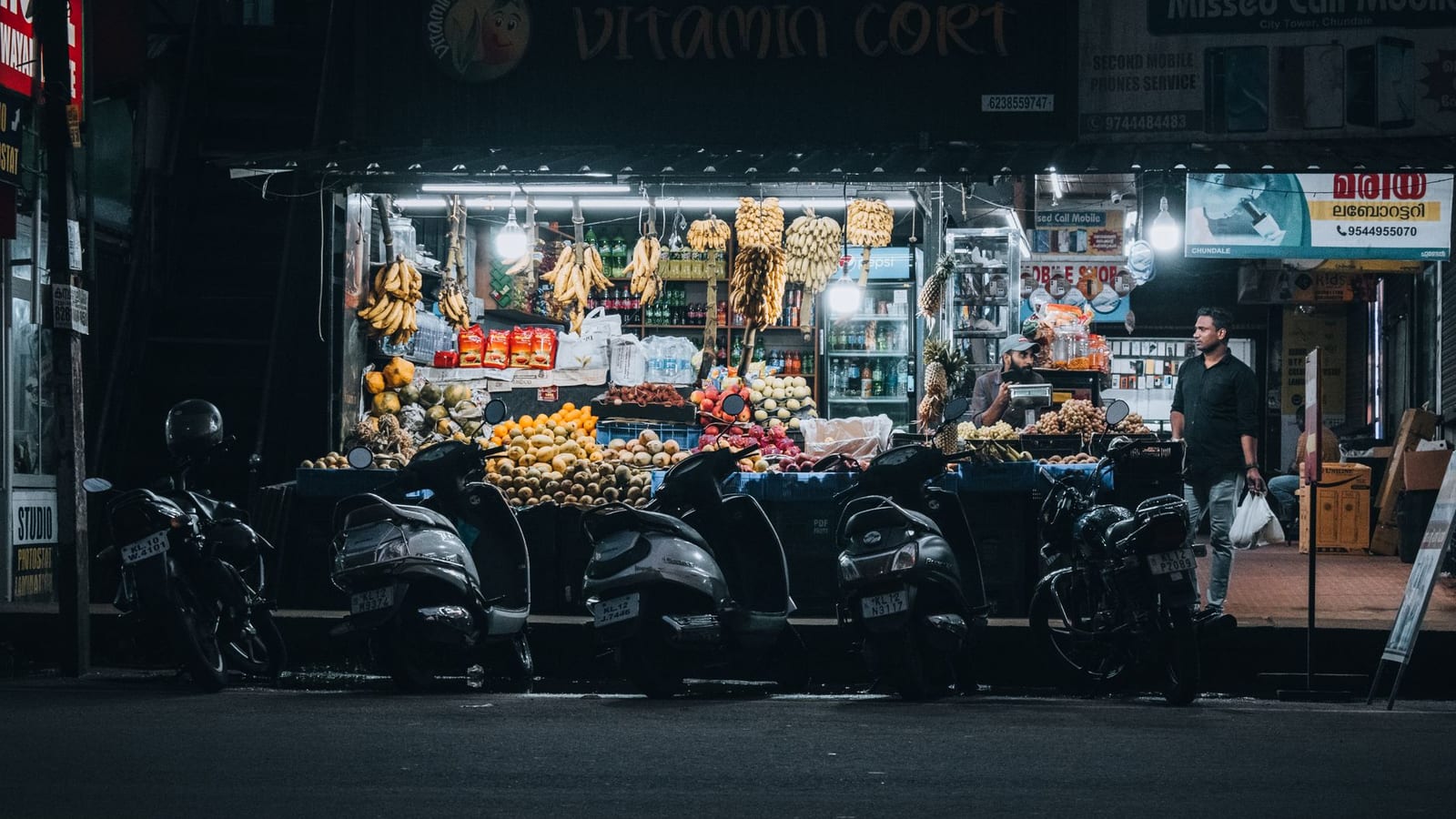
A shopkeeper does not need a GDP chart to know when business is slowing. One flooded junction, one broken road, one blocked station approach can do the job.
Across Kerala, today’s local signals point to a quieter but serious business story. Roads have turned risky, public works have stalled, traders face access problems, and civic disputes are touching daily commerce.
This is not one dramatic corporate announcement. It is the kind of slow friction that hurts small businesses first.
Kerala’s roads squeeze daily trade
In Thiruvananthapuram, the stretch from Killi to Pottankavu has been flagged as accident-prone. A private bus also hit a car and scooter, injuring two people.
For families, this means fear on the road. For business, it means late deliveries, higher fuel use, and more caution from customers.
Kollam reported fresh movement on national highway development, with four more underpasses planned. That matters because highways help only when local access survives construction.
In many Indian towns, a widened highway can divide markets if crossings are poor. A shop may sit beside better infrastructure, yet lose footfall.
Kannur also saw a container lorry crash into a closed shop. In Pala, container vehicles have been choking town movement. These are not just traffic stories. They show how freight, retail, and public safety now compete for the same narrow streets.
Civic gaps hit small businesses
Ernakulam saw complaints around illegal parking on narrow roads. Pedestrians and vehicles both face trouble when inner roads become storage space for cars.
That affects every small service business nearby. Customers avoid difficult lanes. Delivery workers lose time. Emergency access also becomes harder.
There were complaints about the way to Aluva railway station being closed. Such access points are lifelines for workers, students, vendors, and travellers.
A station approach is not just a road. It is a daily economic corridor.
In Chottanikkara, poor railings have troubled pedestrians. In Kasaragod, residents have asked for a footpath on Mulleria School Road. Kollam carried the bluntest civic question: if there is no footpath, what right does a pedestrian really have?
That question should bother planners. Cities cannot grow only for cars, buses, and trucks. They also need people who walk to shops, schools, banks, and bus stops.
Projects stuck between promise and work
Kollam’s Chekam industrial park has not reached its goal. Pathanamthitta reported stalled work on the Kavumbhagom to Chathankari road.
Both stories belong to a larger pattern. Local development often gets announced with confidence, then gets trapped in execution.
For a small manufacturer, a delayed industrial park means delayed land, delayed sheds, delayed jobs. For nearby workers, it means another year of waiting.
Wayanad’s ghat renovation has slowed, with the sixth bend still unresolved. Wayanad also remains watchful on its proposed alternative road.
Anyone who has travelled through the hill routes knows the business cost. Tourism, farm goods, construction supplies, and medical travel all depend on reliable roads.
In Thrissur, the Vazhani reservoir holds only 15 percent of its storage capacity. That number matters for more than drinking water. Agriculture, small eateries, local tourism, and daily wage work all feel water stress.
Public services face pressure
The KSRTC appeared in more than one local development. A youth was held in Palakkad after a KSRTC bus was allegedly taken away. In Malappuram, Maulana Hospital will renovate the KSRTC depot.
That depot renovation is a useful example of local institutions filling civic gaps. Better depots help commuters, drivers, shops nearby, and transport reliability.
Fuel prices also remained politically live. RJD workers protested petrol, diesel, and cooking gas price increases in Kottayam and Malappuram.
For households, cooking gas is a kitchen cost. For small businesses, diesel and petrol decide delivery rates, generator costs, and margins.
There was also a demand in Kasaragod to raise PF pensions. That speaks to older workers who depend on modest monthly support after years in formal employment.
In Ernakulam, floodwater entered a fire station and damaged files and equipment. When even emergency services face waterlogging, businesses read it as a warning.
Insurance may cover some losses. But paperwork, equipment damage, and service disruption carry costs that do not always show up immediately.
Local enterprise keeps moving
Even amid civic stress, commercial activity has not stopped. Kasaragod Town Bank opened its Bovikanam branch, adding another access point for local banking.
In Malappuram, the KSRTC depot renovation by Maulana Hospital points to private participation in public-facing infrastructure.
Thrissur’s trader body held its annual conference with a focus on welfare and care. Kozhikode’s Khadi Emporium began its Njattuvela fair.
These are small entries, but they matter. Local trade in India runs on trust, access, credit, and seasonal demand.
When roads flood or footpaths vanish, that trade slows. When a bank branch opens or a depot improves, the same local economy gains a little confidence.
The bigger lesson is simple. Kerala does not need only large projects and glossy investment promises. It also needs safer roads, usable footpaths, working drains, finished local works, and reliable public transport. For ordinary people, that is where the economy is felt first, before any balance sheet confirms it.