Ahmedabad Auto Fares Rise As Gujarat Rain Hits Roads
Ahmedabad auto-rickshaw fares have risen after higher CNG costs, while rain damaged Surat roads and injured seven bus passengers.
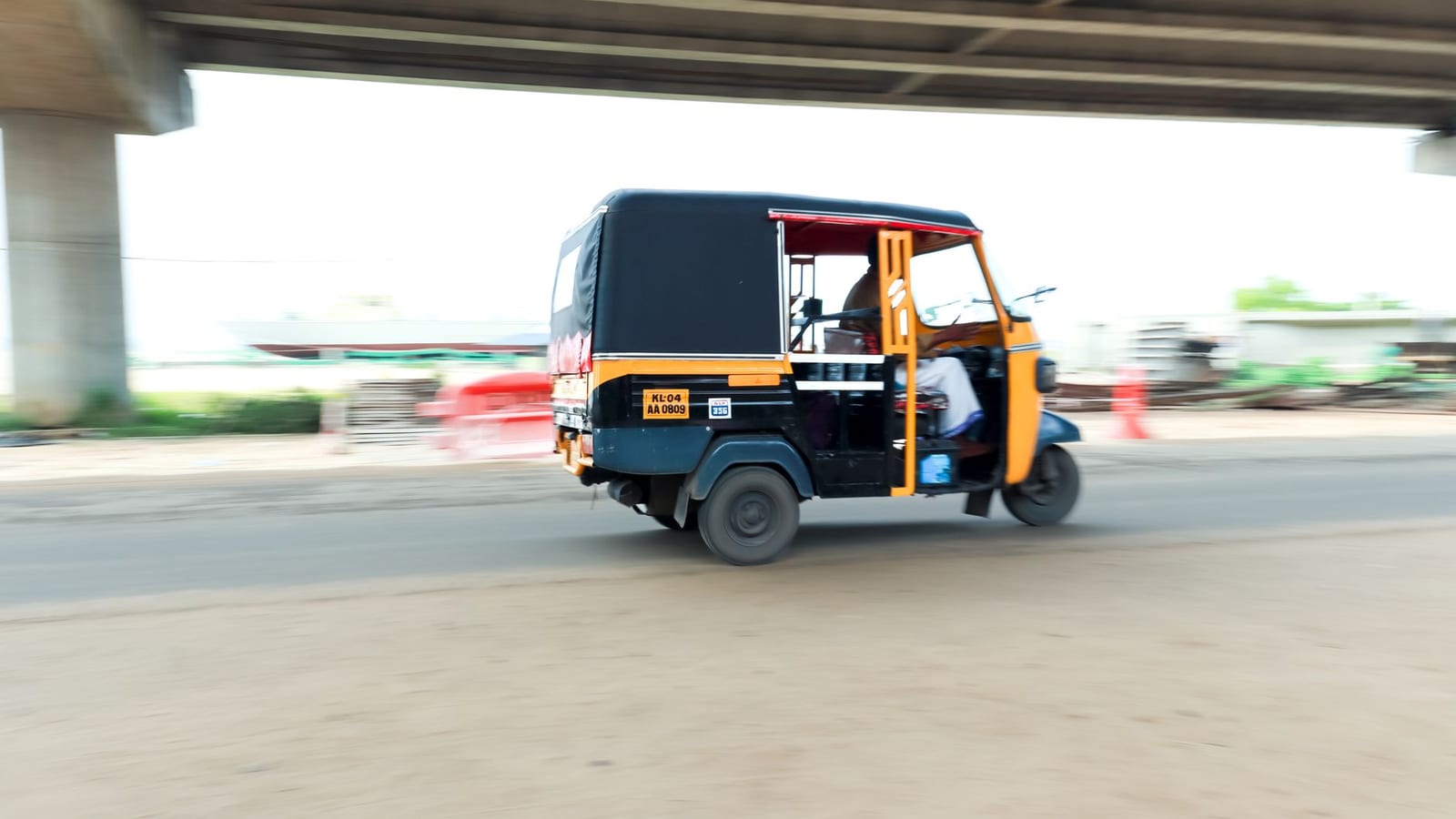
A ₹5 jump in a rickshaw fare sounds small until it becomes a daily habit. For office-goers, students, shop workers, and patients, that extra money returns every morning and evening.
Across Gujarat, the first serious spell of rain has done what monsoon often does. It has turned routine city problems into household budget problems.
In Ahmedabad, auto-rickshaw fares have moved up after CNG prices rose. In Surat, fresh rain exposed weak roads, with a city bus getting stuck in a damaged stretch and seven passengers getting injured.
Rickshaw rides get costlier
Ahmedabad’s revised auto-rickshaw fare now starts at ₹25. The per kilometre rate has risen from ₹15 to ₹20, a clean ₹5 increase.
For a passenger taking short rides, the new minimum fare hurts first. For a regular commuter travelling several kilometres, the per kilometre hike hurts more.
The reason sits inside the fuel tank. CNG prices have gone up, and rickshaw drivers say they cannot absorb the full cost anymore.
That is easy to understand. A driver pays more before earning even one rupee. But the passenger also has no magic cushion. A young professional, a domestic worker, or a small trader now pays more for the same ride.
This is how inflation travels through a city. It does not arrive only as a big monthly number. It shows up as ₹5 here, ₹10 there, then suddenly the week feels tighter.
First rain, familiar cracks
Surat saw the other side of the same urban story. In Pandesara, a newly built road gave way during the first rain, and a city bus got stuck. Seven passengers were injured.
Near the Pal-Umra bridge, a BRTS bus also faced trouble after rain hit the stretch. These are not just civic embarrassments. They carry a real cost.
When a bus stops, workers reach late. Students miss class. Small shop owners lose early customers. Delivery schedules slip. Someone pays for every hour wasted.
Urban India has heard this story too many times. A road looks fine in summer. The first rain arrives, and the truth comes out from under the asphalt.
For businesses, bad roads are not a cosmetic problem. They slow movement of people, goods, and services. They also raise repair bills for vehicles that already run on thin margins.
Water stress behind the rain
Rain in one city does not mean water security across the state. Gujarat’s dam situation still looks uneven.
Reports from state-level data point to 68 dams with very low storage. Saurashtra and Kutch remain among the more stressed zones.
In Saurashtra, 141 dams have around 27 percent water left. Authorities have started sending water through the SAUNI scheme, which was built to move Narmada water into dry regions.
This matters for farmers first, but it does not stop there. Water decides crop choices, rural spending, food supply, and eventually market prices.
A weak water picture can pinch vegetable sellers in cities weeks later. It can hurt dairy supply chains. It can also slow small rural businesses that depend on farm cash flow.
The monsoon is still young. But businesses in Gujarat know the drill. Early rain is welcome, yet storage in dams decides whether relief lasts.
Scams and tax raids add pressure
Alongside rain and fuel costs, Gujarat also saw fresh signs of financial stress and enforcement.
In Surat, operators of Ocean Emtech allegedly collected ₹1.93 crore from investors by promising to double their money, then shut the office and disappeared.
That promise should ring alarm bells anywhere. When a scheme says money will double quickly, someone is usually being set up to lose.
Such frauds often target people who are not reckless, only hopeful. A salaried worker, a retiree, or a small business owner may put in savings because formal returns feel too slow.
In Jamnagar, state tax officials acted in a ₹23 crore GST fraud case linked to a brass scrap business. A father and son were arrested after a long inspection.
Officials allege fake tax credit was created. In simple terms, that means someone claimed tax benefits without a genuine business trail to support them.
For honest firms, such fraud is not a side issue. It makes compliance harder, invites tighter checks, and hurts trust in the market.
The small cost of bad systems
None of these events looks connected at first glance. A fare hike in Ahmedabad. A damaged road in Surat. Low dam storage in Saurashtra. A fraud case in Jamnagar.
But together, they show how local systems shape daily business life.
A rickshaw driver needs cheaper fuel or higher fares. A commuter needs affordable transport. A bus passenger needs a safe road. A farmer needs water in the dam. A small investor needs protection from flashy schemes.
The state’s economy does not run only on factories, ports, and big investment summits. It runs on morning rides, working roads, honest bills, and water reaching the right place on time.
For ordinary people, the next few weeks will be telling. If rain improves and civic repairs move fast, the pressure may ease. If not, Gujarat’s monsoon will again become more than a weather story. It will become a cost-of-living story, one short ride and one broken road at a time.