Mohali-Rajpura Rail Link Hits Land Acquisition Test
Punjab and Chandigarh face fresh governance pressure as rain exposes drainage gaps while Mohali-Rajpura rail land talks draw farmer objections.
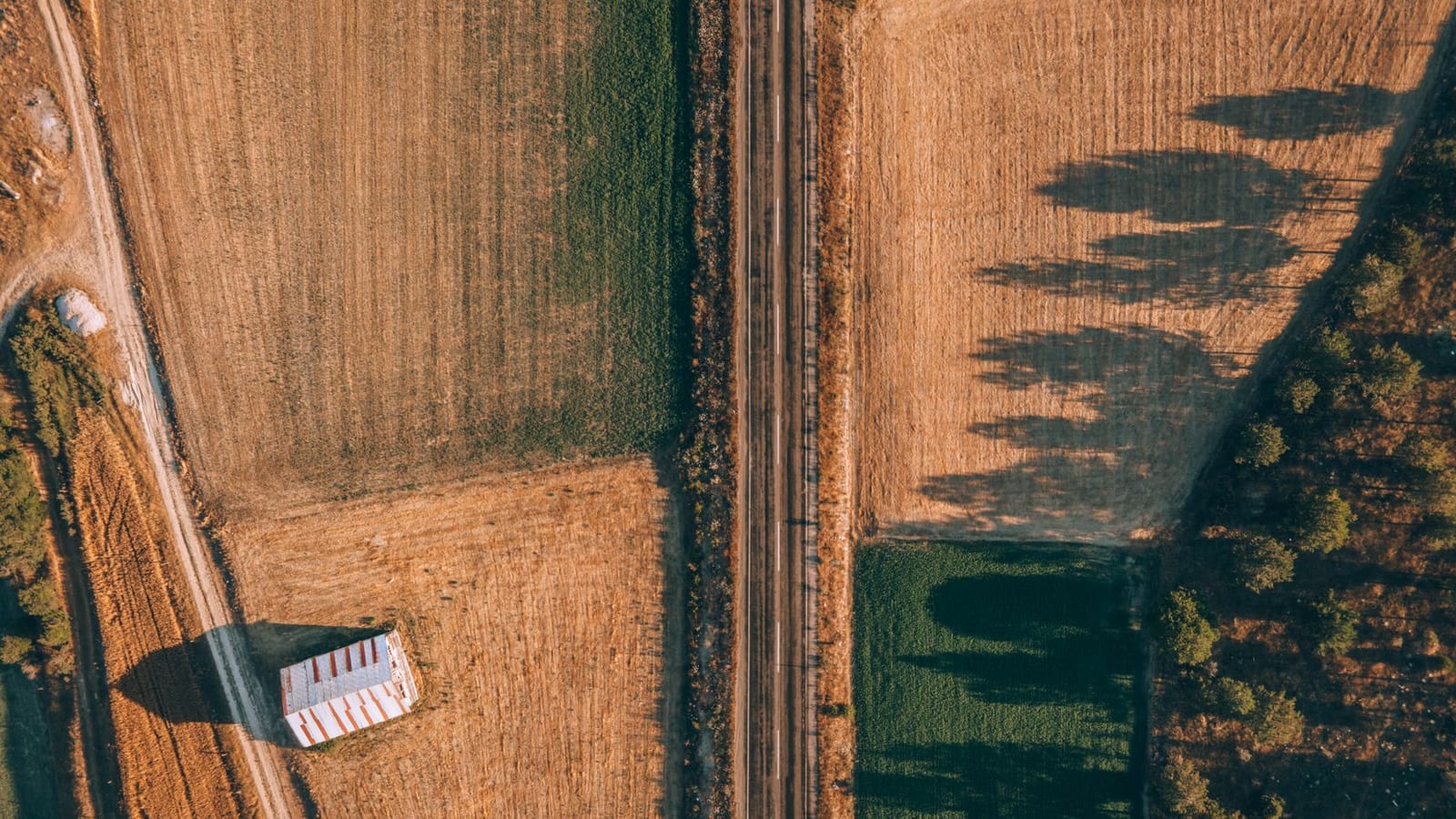
The first proper pre-monsoon spell has cooled the air, but it has also exposed a familiar problem. In Punjab and Chandigarh, rain rarely arrives alone. It brings road cuts, blocked drains, power fights, land disputes, and urgent meetings.
Across Chandigarh, Mohali, Rajpura and nearby villages, the week has turned into a live test of governance. Farmers are asking about land. Residents are asking about drainage. Cab drivers and workers are asking about livelihoods. Politicians are already reading the mood.
Mohali rail link gathers pace
The Mohali-Rajpura railway line has moved from talk to paperwork. The local administration has started the land acquisition process and has heard objections from farmers.
That may sound routine, but land is never routine in Punjab. For many families, it is income, security and identity rolled into one.
The proposed rail link matters because it can shorten travel, improve freight movement and connect growing urban belts. For small traders, better rail access can cut costs. For commuters, it can mean fewer punishing road trips.
But the hard part sits at village level. Farmers want fair terms, clear timelines and proper hearing. Once land leaves agriculture, families rarely get it back.
Land policy enters repair mode
The Punjab government is also preparing changes to the Punjab Land Pooling Policy. The government has indicated that a formal notification may come soon.
Chief Minister Bhagwant Mann has said landowners should get more benefits and concessions. He has also framed farmers as partners in development, not just people surrendering land.
That language matters in Punjab. Any land policy here carries the memory of past disputes, compensation battles and broken trust.
Land pooling is different from a straight purchase. In simple terms, owners give land for development and receive a share of developed land or benefits later.
It can work well when the rules are transparent. It can also trigger anger when families feel locked into vague promises.
For ordinary landowners, the question is simple. Will development raise their future income, or shrink their control over family assets?
Shah reviews Chandigarh works
Union Home Minister Amit Shah is expected to meet UT administration officials in Delhi on June 24. The agenda is Chandigarh’s long-pending development works.
That meeting comes at a useful time. The city sells itself as planned, orderly and efficient. Yet residents often face very ordinary headaches.
Drainage, waste, traffic, public spaces and housing pressure now test the city’s old planning model. The original design did not imagine today’s vehicle load or commuter pressure.
Mohali Mayor Sarabjit Singh Samana has separately said the municipal corporation must keep the city clean and developed. He warned that lapses in sanitation would not be accepted.
Such statements sound standard. But before the monsoon, they become measurable. One blocked drain can flood a lane. One uncleared patch can turn into a health problem.
In several areas, residents have already raised concern over storm drains filled with silt, wild growth and waste. During heavy rain, that can push water into fields and homes.
Weather relief, but power pain
The rain in Chandigarh has brought down temperatures, giving residents some relief from the heat. But the monsoon has not fully arrived in the region yet.
The IMD has forecast scattered rain in parts of Punjab, Haryana and Chandigarh till June 25. Weather officials have linked this spell to a western disturbance.
The larger monsoon push into north-west India may still take until the end of June. That means humid days, unstable skies and sudden local showers.
For farmers, this waiting period is stressful. Too little rain raises irrigation costs. Too much rain, too quickly, damages fields and exposes poor drainage.
In some villages, farmers have already protested over inadequate power supply. Led by BKU (Khosa), farmers gathered outside a local electricity office and shouted slogans against the government and power department.
Their complaint is practical, not abstract. When power supply falls short, irrigation schedules break. Diesel pumps raise expenses. Crop planning becomes a gamble.
A farmer waiting for rain and power is really waiting for cash flow. Every extra input cost cuts the money left after harvest.
Protests widen beyond farms
The week’s discontent is not limited to agriculture. Cab drivers in Chandigarh’s Sector 25 have continued their protest over demands linked to app-based transport work.
Punjab Congress president Amarinder Singh Raja Warring has supported the drivers. Their protest reflects a larger unease in platform work.
Cab drivers carry the risk of fuel prices, loans, commissions and long hours. The app may look smooth to riders, but the driver’s monthly math is often brutal.
There is also unrest around labour rights. A seminar in Chandigarh discussed worker protests in Noida and Manesar, with rights lawyers and activists joining the conversation.
The political field is busy too. Shiromani Akali Dal leaders met Sikh sangat over alleged disrespect involving images of Guru Sahibans and Sant Jarnail Singh. Senior Akali leader Balwinder Singh Bhundar attacked Mann’s government.
Other parties are also moving. The Aam Aadmi Party is pushing its public outreach campaign. Congress has started a campaign around paper leaks, recruitment scams and education system failures.
These are not isolated events. They show a region where civic issues, faith, jobs and youth anxiety are colliding before the next political season.
For readers, the real story is not one meeting or one protest. It is the pressure building in daily life. A rail line can help growth, but only if landowners trust the process. Rain can cool the city, but only if drains work. Digital jobs can offer freedom, but only if workers earn enough. Punjab and Chandigarh now face the same old test in a new season: can governments fix everyday problems before they become political fires?