Dussehra 2024 puja muhurat and Ravan Dahan timings
Dussehra 2024 falls on October 12, with Vijay muhurat in the afternoon and Ravan Dahan during the evening Pradosh period.
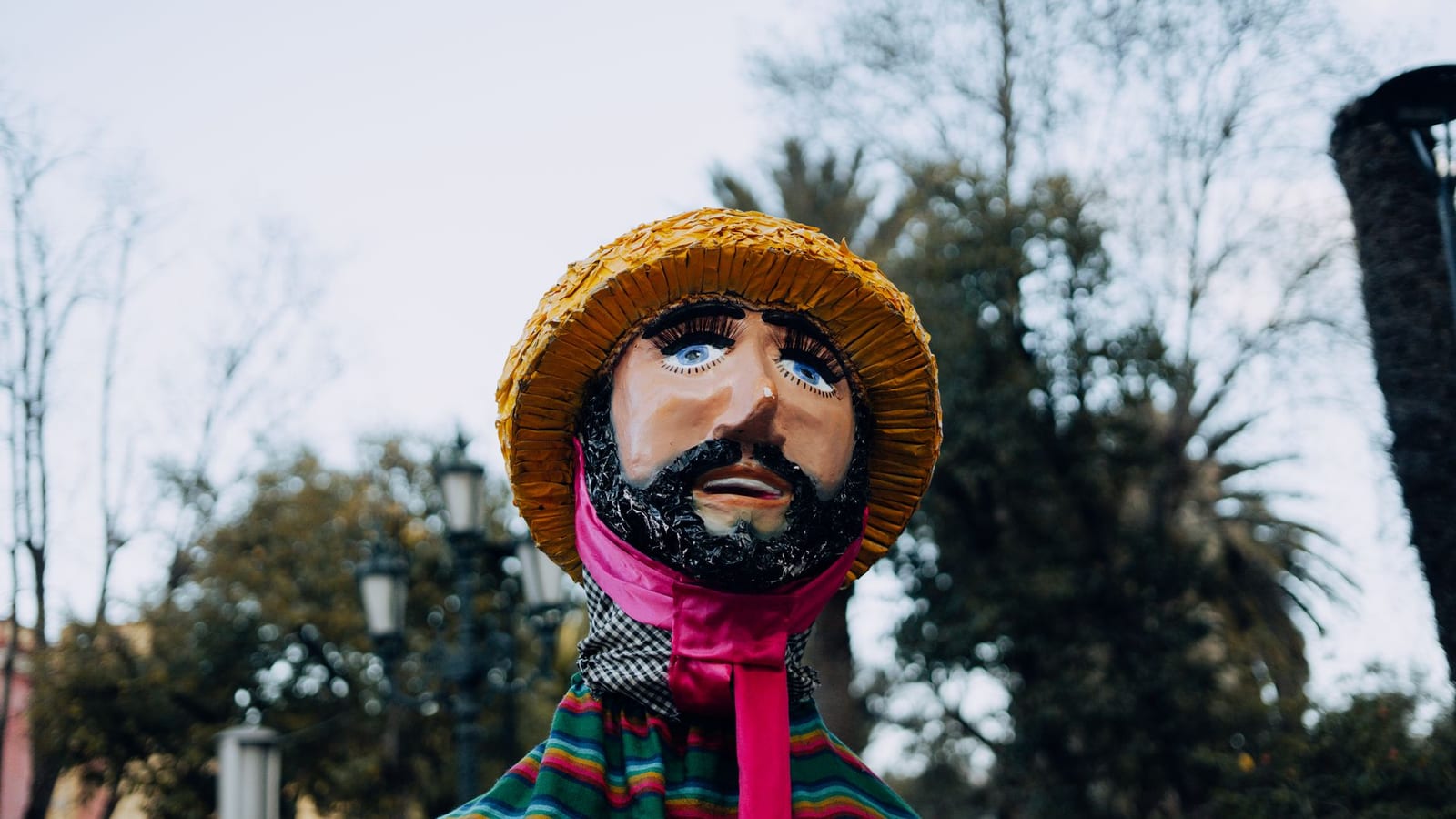
For many Indian families, Dussehra is the day when faith, markets, and neighbourhood life meet after sunset.
This year, the festival falls on Saturday, October 12, 2024. It marks the tenth day of the bright fortnight in Ashwin, and many know it as Vijayadashami.
The meaning remains simple and powerful. Good defeats evil. Homes clean up. Markets brighten. Effigies rise in public grounds. Families plan prayers, sweets, gifts, and evening outings.
Key timings for puja
The Dashami tithi begins at 10.58 am on October 12, 2024. It ends at 9.08 am on October 13, 2024.
The Shravan nakshatra starts earlier, at 5.25 am on October 12. It continues until 4.27 am on October 13.
Drik Panchang lists the Vijay muhurat from 2.02 pm to 2.48 pm. This 46-minute window is considered suitable for Shastra Puja, Aparajita Puja, and Shami Puja.
The longer afternoon worship window runs from 1.16 pm to 3.35 pm. That gives families and community groups more room to organise rituals without rushing.
For Ravan Dahan, the preferred time falls in the evening Pradosh period. The window runs from 5.53 pm to 7.27 pm on October 12.
Why Ravan Dahan matters
The most familiar story links Dussehra with Lord Ram. Tradition says he defeated Ravana on this day and rescued Sita.
That is why Ravana effigies burn across towns and cities. The burning is not just spectacle. It turns an old moral lesson into a public event.
Children watch the flames with excitement. Older people see the same message they heard from their parents. Communities gather after nine days of Navratri devotion.
There is also another story behind the day. Many devotees mark Vijayadashami as the day Goddess Durga defeated Mahishasura.
So the festival carries two strong images. One comes from the Ramayana. The other comes from the worship of Durga.
Together, they make Dussehra one of India’s most widely recognised festival markers. It signals victory, renewal, and the start of the season’s final festive rush.
Rituals inside Indian homes
Dussehra worship begins in a simple way for many households. Families place a clean red cloth on a wooden platform.
They then place images or idols of Lord Ram and Goddess Durga. Devotees offer flowers, sweets, fruit, and prayers.
The ritual also includes rice coloured yellow with turmeric. Some families use it while invoking Lord Ganesh in the form of a swastik.
Many also worship the Navgraha, or nine planetary deities. In simple terms, this is a prayer for balance and protection.
Shastra Puja has a special place in many homes and workplaces. People worship tools, weapons, vehicles, machines, and instruments of work.
For a soldier, it may mean arms. For a craft worker, it may mean tools. For a small business owner, it may mean account books or shop equipment.
That is where Dussehra quietly enters the economy. It reminds people that work itself has dignity.
Shami Puja also remains important in several regions. The Shami tree carries old cultural associations with victory, protection, and prosperity.
Aparajita Puja has a similar tone. The word suggests one who cannot be defeated. Devotees connect it with strength and success.
The source tradition also places charity within the day’s worship. Families are encouraged to give what they can to someone in need.
The festival economy kicks in
Dussehra is not only a religious date. It also opens a busy commercial stretch for India’s small businesses.
Sweet shops prepare for higher footfall. Tailors, decorators, florists, toy sellers, and street vendors expect more customers.
The evening Ravan Dahan draws crowds. Around such grounds, small sellers often depend on these festive gatherings.
A family outing can mean snacks, toys, local transport, parking, and quick shopping. That money moves through very small hands.
For traders, Dussehra also comes just before Diwali. The 20-day gap matters because India’s biggest shopping season gathers pace after this.
Many families delay big purchases until these weeks. Vehicles, electronics, jewellery, clothing, and home goods often see festive interest.
Businesses understand this pattern well. Offers begin early, but emotional buying often peaks around Dussehra and Diwali.
The timing of pujas also shapes the day’s flow. Afternoon rituals keep families at home or in temples. Evening Ravan Dahan pulls them outdoors.
That pattern helps local commerce. Markets fill after office hours. Food stalls and transport providers get a late-day lift.
For kirana stores, the impact can be more modest but steady. More sweets, puja items, flowers, oil, and packaged foods move off shelves.
For artisans, the festival has a sharper meaning. Effigy makers, idol painters, stage workers, sound technicians, and decorators often work hard before Dussehra.
Their earnings depend on a short festive calendar. A missed season can hurt badly. A strong season can help clear household bills.
What families should remember
The source guidance treats muhurat as faith-based information. Families who follow these timings may still consult their own priest or local tradition.
That matters because India does not follow one uniform festival practice. Customs change by state, city, caste, community, and family line.
One household may focus on Ram. Another may centre Durga. A third may treat the day as the right time to begin new work.
For business owners, this flexibility has value. Dussehra often becomes a day to reopen accounts, launch a small venture, or restart stalled plans.
Not every such decision needs a balance sheet. Sometimes, people just need a date that feels hopeful and socially accepted.
Still, the practical side should not disappear. Big purchases during festivals need the same care as any other purchase.
Discounts can tempt buyers. Easy loans can look harmless. Young professionals and families should check repayment pressure before committing.
That is the sober business lesson hidden inside the festive glow. A good muhurat can start a decision, but it cannot fix a bad bargain.
Dussehra, at its best, asks people to clear clutter, moral and material. This year, as families pray, shop, gather, and watch Ravana burn, the real test comes after the flames fade. The victory that matters most is the quieter one: choosing wisely, spending carefully, working with dignity, and carrying some light into the long festive season ahead.