Benny Prasad Recounts 257-Nation Journey From Illness
Bengaluru musician Benny Prasad says illness and depression shaped the path that led him across 257 countries and territories.
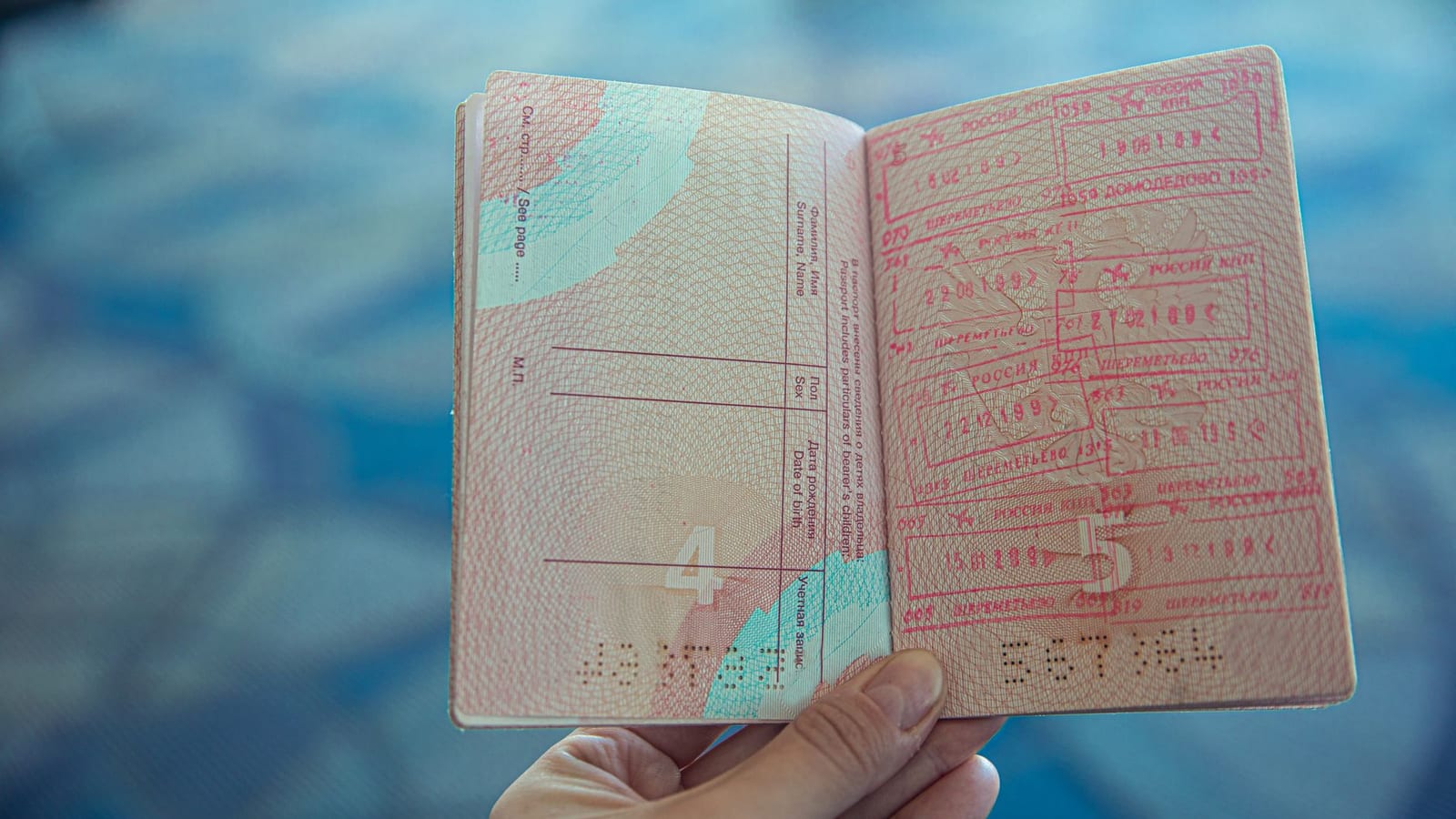
A teenager in Bengaluru once feared he had no future. Today, Benny Prasad carries 16 Indian passports filled with visas and immigration stamps.
His story sounds almost unreal because the numbers are so large. He says he has travelled to 257 countries and territories across the world.
But the sharper part is not the record. It is the route he took from illness, depression, and despair to airports, borders, stages, and strangers’ homes.
From hospital rooms to world maps
Prasad grew up with severe asthma, he has said while recalling his childhood. The treatment involved heavy steroid use, which affected much of his lung capacity.
He later developed rheumatoid arthritis, a painful condition that attacks the joints. For a young student, this meant the body often felt like an enemy.
School did not go smoothly either. Prasad has said he struggled academically and was eventually removed from school. At 16, he sank into depression.
He has also spoken about suicidal thoughts during that period. Doctors, he has said, had once given him only six months to live.
That is why his travel story cannot be read like a glossy airport tale. It begins in a much darker place.
For many Indian families, this part may feel painfully familiar. One illness can derail school, confidence, and household peace together.
Music became his passport
Prasad’s life changed after a Christian youth camp experience, by his own account. At 19, he picked up the guitar.
His first flight came in 1998, when he travelled to Sri Lanka for a music performance. That first plane journey opened a very different door.
He did not begin with a corporate job, a large inheritance, or a travel brand. He began with music and testimony.
That matters because most Indians still see international travel as a money problem. Passports, visas, flights, hotels, forex, and leave approvals all add pressure.
Prasad’s experience offers a different lesson. Money helps, of course. But planning, contacts, timing, and purpose can stretch modest resources far.
He has said his aim was never to chase records. He wanted to share hope through music and his own life story.
That also explains why strangers mattered so much in his journey. In several countries, he contacted people through Facebook before arriving.
Some offered him a place to stay. Others helped him understand local travel, food, and basic movement.
This is not advice to walk blindly into unknown homes. It is a reminder that travel runs on trust, not only bookings.
A record built on planning
In 2010, Prasad completed a world record that still stands, as per his account. He visited all sovereign and dependent countries in six years, six months, and 22 days.
That figure is easy to admire and hard to understand. For ordinary travellers, even one difficult visa can feel like an exam.
Now imagine repeating that process across continents, with different rules and uncertain paperwork. Every border has its own mood.
Some countries want bank statements. Some want invitation letters. Some need confirmed tickets before they even consider an application.
For Indian passport holders, this planning matters even more. We do not enjoy the same visa freedom as many Western travellers.
That makes Prasad’s record more than a personal achievement. It shows how careful preparation can beat many structural hurdles.
He has now used 16 Indian passports, filled with immigration stamps and visas. That detail tells its own story.
A passport usually records holidays, business trips, student moves, or family visits. His passports read like a long argument with borders.
There is also a lesson here for young travellers. Cheap travel is rarely careless travel. It usually needs more homework.
You track visa windows, low-cost routes, airport layovers, local hosts, and currency limits. One missed document can ruin the plan.
Why he still chose India
Prasad had chances to settle abroad, including in the United States, the Netherlands, and Australia. He still chose to remain in India.
That decision says something about the emotional pull of home. It also says something about how he sees the country.
He has described India as almost continental in its variety. One state can feel entirely different from another.
Any serious traveller in India understands this quickly. Food, language, clothing, landscape, worship, and social habits can shift within hours.
A train ride from Bengaluru to Kerala, Goa, or Maharashtra can feel like entering another cultural weather system.
This is why foreigners often struggle to summarise India after one trip. The country refuses to fit into a neat travel brochure.
Still, Prasad has also pointed out that India has work to do. That is a fair view, not an unpatriotic one.
Better infrastructure, cleaner public spaces, safer travel, and easier systems matter deeply. They decide who gets to travel comfortably.
For a woman taking a night bus, safety is not a tourism slogan. For a disabled traveller, access is not decoration.
For a middle-class family planning a pilgrimage or holiday, clean toilets and reliable transport change everything.
What travellers can learn
Prasad’s story also pushes back against one common idea. Travel is not always escape.
For him, it became a way to rebuild meaning. The road gave shape to a life once narrowed by illness.
His book, Unthinkable, carries that theme through his life experiences. The title fits the journey well.
But the travel lesson is practical too. Start with purpose, not only destination lists.
For some, that purpose may be music, faith, work, food, history, or family. For others, it may simply be courage after a hard season.
First-time Indian travellers can also take one grounded lesson from him. Do not confuse luxury with depth.
A five-star hotel can give comfort. A carefully planned budget trip can give confidence, local contact, and sharper memory.
The best journeys often happen between formal plans. A shared meal, a kind host, or a confusing bus ride can stay longer than monuments.
Prasad’s record may remain out of reach for almost everyone. Most people cannot leave work, family, loans, and school calendars for years.
But that is not the point. His life reminds us that travel can begin after failure, illness, or fear.
For ordinary readers, the message is simple. The world may be large, expensive, and full of paperwork, but it is not closed. Sometimes the first real journey begins when someone decides their story is not over.