Dussehra 2024 Puja Timings Set For October 12 Rituals
Dussehra falls on October 12, 2024, with Vijay muhurat from 2.02 pm to 2.48 pm and key puja timings for family rituals.
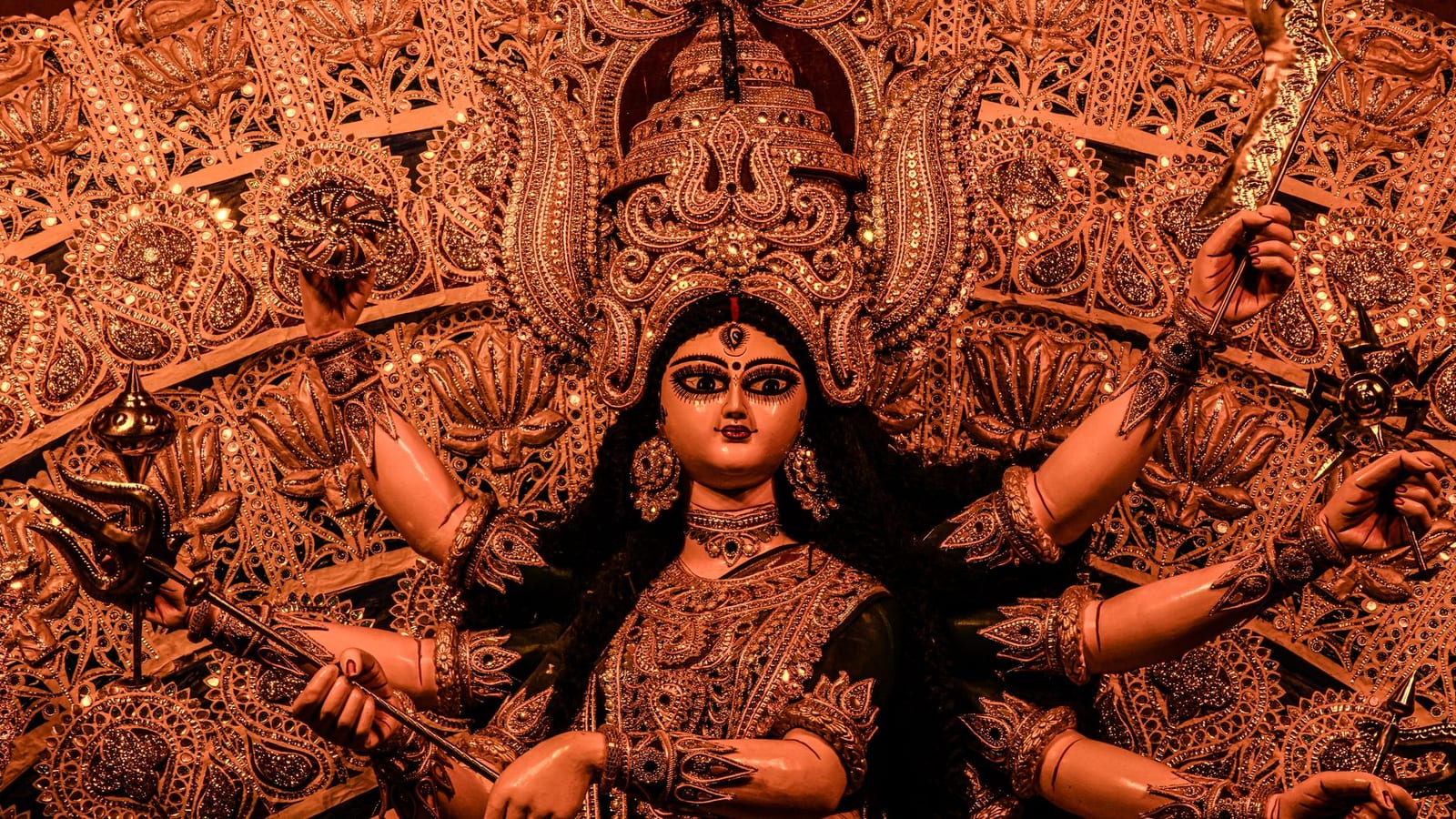
For many Indian families, Dussehra is not just a date on the calendar. It is the evening when children wait for Ravana’s effigy to fall, elders check the puja time, and homes quietly mark the victory of good sense over arrogance.
In 2024, Dussehra falls on Saturday, October 12. The festival is also known as Vijayadashami, and it carries different meanings across regions. Some remember Lord Ram’s victory over Ravana. Others mark Maa Durga’s defeat of Mahishasura.
That is the beauty of this festival. It can be a public spectacle, a family ritual, and a moral reminder, all in one day.
Dussehra timings for October 12
The Dashami tithi begins at 10.58 am on October 12, 2024. It ends at 9.08 am on October 13, 2024.
The Shravan nakshatra starts earlier, at 5.25 am on October 12. It continues till 4.27 am on October 13.
For families planning the main rituals, the Vijay muhurat runs from 2.02 pm to 2.48 pm. That gives devotees a 46-minute window for important puja rituals.
The afternoon puja period is longer. It runs from 1.16 pm to 3.35 pm, giving people over two hours to complete the worship.
Ravana dahan evening window
Ravana dahan is usually performed during pradosh kaal, the early evening period after sunset. In 2024, the suggested time is from 5.53 pm to 7.27 pm.
Across cities and towns, this is when crowds gather at maidans and neighbourhood grounds. For many children, this is the main memory of Dussehra.
They may not know every line of the Ramayana. But they understand the sight of a towering Ravana going up in flames.
That image has survived because it is simple. Pride can look tall, loud, and powerful. But it still falls.
Shastra, Shami and Aparajita puja
Dussehra is also a day for Shastra puja, Shami puja, and Aparajita puja. These rituals often happen quietly inside homes, workshops, shops, and offices.
In many families, tools of work receive respect on this day. For some, that means weapons in the traditional sense. For others, it means vehicles, machines, books, laptops, or business ledgers.
A small trader may clean the shop counter. A mechanic may decorate tools. A student may place books near the deity.
The idea is not hard to understand. Dussehra tells people to treat their work with dignity. It also reminds them that skill needs discipline.
Shami worship also carries old cultural meaning. In several traditions, the Shami tree is linked with courage, return, and prosperity.
The simple puja method
The puja process begins with a clean platform or chowki. A red cloth is placed on it.
Devotees then place images or idols of Lord Ram and Maa Durga. Some families worship both, while others follow their own regional tradition.
Rice is often coloured yellow with turmeric. A swastik is then made as part of the ritual, and Lord Ganesh is invoked first.
Many households also perform navgraha worship. Fruits, flowers, sweets, and other offerings are placed before the deity.
The ritual usually ends with prayer and charity. Families are advised to donate as per their capacity, especially to someone in need.
That last part matters. Festivals become hollow when they stay inside decorated homes. Charity gives the ritual a social meaning.
Why Vijayadashami still matters
The most widely known story links Dussehra to Lord Ram’s victory over Ravana. The day marks the defeat of a ruler who had power, wealth, and learning, but lost moral balance.
That is why Ravana remains such a powerful symbol. He was not weak. He was not foolish. His fall came from ego and desire.
The second tradition links Vijayadashami to Maa Durga’s victory over Mahishasura. In that telling, the day celebrates courage, divine strength, and the defeat of cruelty.
Both stories meet at the same point. Power without restraint invites ruin.
Twenty days after Dussehra comes Diwali, which celebrates Lord Ram’s return to Ayodhya. So the festival also opens the road to India’s biggest festive season.
For ordinary families, this period means much more than ritual. It means travel, shopping, new clothes, home repairs, gifts, sweets, and community gatherings.
For small businesses, it can decide the mood of the quarter. Footfall rises in markets. Tailors, sweet shops, decorators, transporters, and small vendors all depend on this season.
That is why festival dates and muhurats matter beyond faith. They shape family schedules, local commerce, and public events.
Dussehra, at its heart, asks a simple question every year. What should we burn, apart from the effigy? For some, it may be anger. For others, greed, fear, or pride. The answer changes from person to person, but the message stays steady. Victory begins when people choose restraint over ego, and courage over silence.