US Supreme Court gives Trump control over FTC watchdogs
The ruling lets Trump remove FTC commissioners over policy differences, reshaping presidential power over American regulators and market rules.
A US consumer regulator losing her job sounds distant from Indian daily life. But this ruling reaches into every wallet, loan, merger, tech platform, and market rule Americans live with.
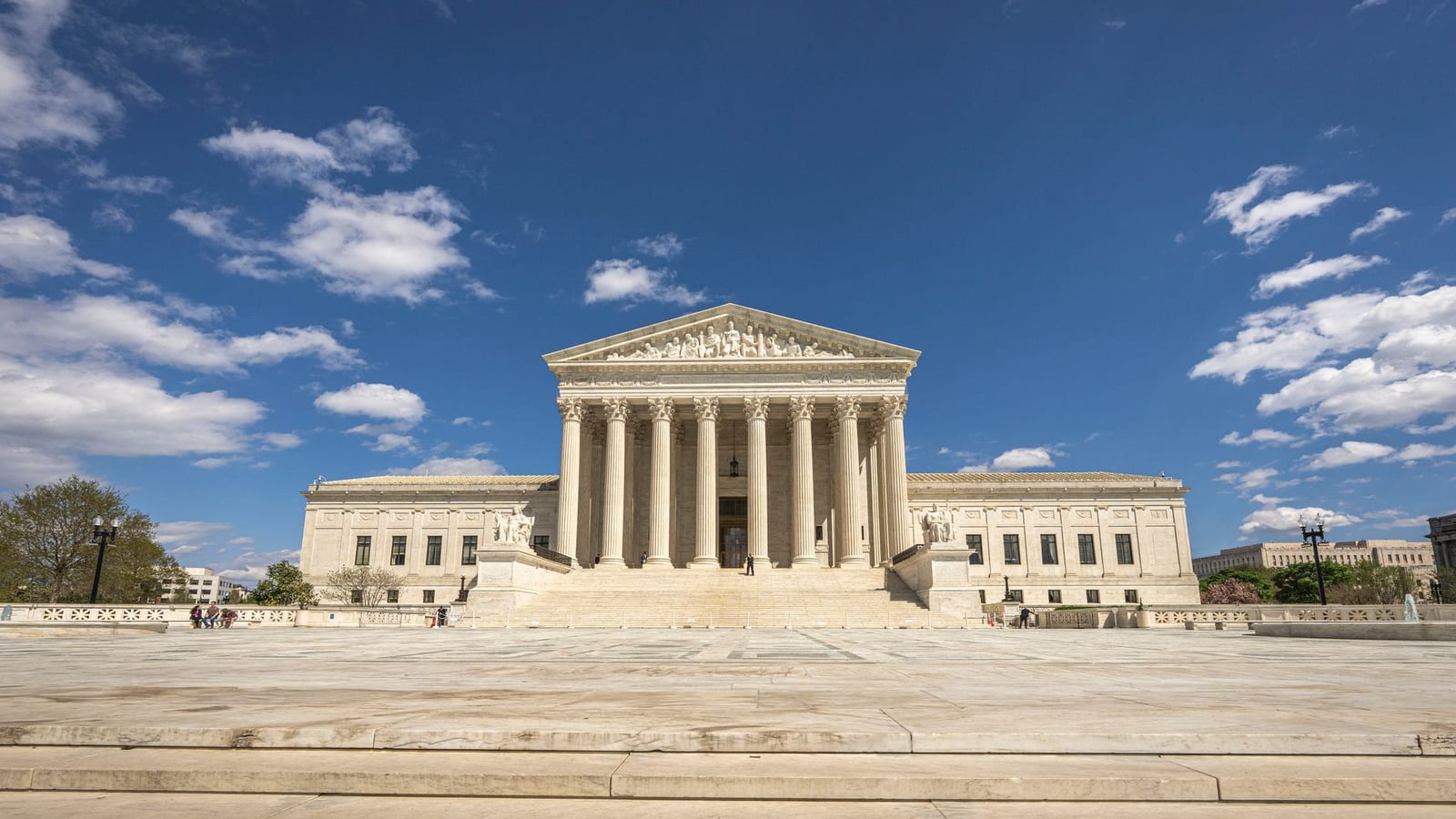
On Monday, June 29, 2026, the US Supreme Court handed Donald Trump a sweeping win. It said the president can remove members of the Federal Trade Commission over policy differences.
That sounds like Washington paperwork. It is not. It changes who controls powerful regulators, the elected president or institutions built to resist daily politics.
Trump wins a power fight
The case began with Rebecca Slaughter, a Democratic FTC commissioner appointed during Joe Biden’s presidency. Trump removed her in 2025 after policy disagreements.
A federal law had protected FTC commissioners from easy removal. Presidents could sack them only for reasons like misconduct, neglect, or poor performance.
The court has now said those limits clash with the US Constitution. Chief Justice John Roberts wrote that the FTC performs executive work, so the president must control it.
That logic sounds simple. But its impact is large. The FTC watches competition, consumer protection, digital markets, advertising, privacy, and corporate conduct.
For American households, this agency can shape how companies behave. For businesses, it can decide how aggressively Washington polices mergers and unfair practices.
A 1935 wall comes down
The ruling overturns Humphrey’s Executor, a 1935 decision that protected some independent agencies from direct White House control.
For 91 years, that old ruling helped Congress create regulators with a buffer from presidents. The idea was practical, not romantic.
Some jobs need distance from election cycles. If every regulator fears instant removal, rules may swing wildly after every change in power.
That matters for companies too. Investors and businesses like predictable rules, even when they dislike strict regulators.
Now, several US agencies may face a different reality. A president may push them harder to follow his policy line.
The conservative majority backed Trump by 6 to 3. The three liberal justices dissented, warning that the ruling shifts serious power into one office.
Justice Sonia Sotomayor said many independent commissions could now become more like ordinary executive agencies. Her worry was not just legal theory.
It was about daily control. If a regulator handles markets, labour, communications, or consumer disputes, political pressure can reach ordinary people quickly.
Why Indians should care
At first glance, this is an American constitutional fight. India has its own legal structure, its own regulators, and its own politics.
Still, Indian readers will recognise the wider question. How independent should powerful institutions be from the government of the day?
We debate this often around the RBI, SEBI, telecom rules, competition law, and election bodies. The details differ, but the tension feels familiar.
Markets need elected governments to set direction. But they also need referees who can say no without watching the political weather every morning.
For Indian tech firms, exporters, investors, and students in America, the ruling is not abstract. US regulators influence mergers, data rules, platform conduct, and consumer markets.
A startup with US clients may feel the effect through compliance rules. A large Indian company buying American assets may face a changed regulatory mood.
Even ordinary Indian investors with US exposure should watch this. Policy shifts in Washington can affect Big Tech, pharma, banking, and market sentiment.
The Fed gets a separate shield
The court drew one important line. It said the ruling should not weaken the Federal Reserve.
On the same day, the justices refused to let Trump remove Federal Reserve Governor Lisa Cook. That preserved the central bank’s independence for now.
This distinction matters hugely. The Fed sets interest rates and manages inflation risks in the world’s largest economy.
If markets believed any president could pressure the Fed at will, borrowing costs could jump. Currencies and stocks could also react sharply.
The court said the Fed holds a special historical and constitutional place. In plain English, the judges treated monetary policy differently from consumer regulation.
That should calm markets somewhat. But it does not erase the larger shift around other agencies.
Power moves closer to the Oval Office
Trump celebrated the judgment and called it a major win for presidential power. He said presidents had wanted this clarity since the 1930s.
His argument fits the “unitary executive” theory. That view says the president should control the executive branch fully.
Supporters see that as democratic accountability. If voters elect a president, they argue, his officers should follow his agenda.
Critics see a different danger. They fear expert bodies may become political tools, especially when they regulate powerful firms or sensitive sectors.
Rebecca Slaughter criticised the decision after the ruling. She argued it takes power away from Congress and hands it to the president.
That is the real heart of this fight. America has not just changed one personnel rule. It has changed the balance between stability and control.
For ordinary people, such changes show up slowly. A merger gets approved faster. A consumer complaint gets less attention. A tech firm faces lighter scrutiny.
Or the opposite may happen under another president. The same power can push regulators in a very different direction later.
That is why this judgment matters beyond Trump. It gives future presidents a sharper tool over agencies built to stand slightly apart.
For Indian readers, the lesson is clear. Strong leaders can move fast, but strong institutions keep public life from becoming a daily mood swing. The next real test will be whether American regulators still protect citizens when their chairs sit much closer to political fire.