Dussehra Timings Set Festive Retail Rush In Motion
Dussehra 2024 rituals fell on October 12, with key puja windows guiding families and traders as the festive buying season gathered pace.
A festival can move markets without looking like a market story.
In 2024, Dussehra fell on Saturday, October 12. Across India, that meant more than prayers and Ravan effigies. It meant sweet shops planning extra batches, small traders hoping for footfall, families timing purchases, and neighbourhood committees watching the clock.
The day, also called Vijayadashami, marks the victory of good over evil. But on the ground, it also marks the start of India’s busiest festive shopping stretch.
The exact Dussehra timings
The Dashami tithi began at 10.58 am on October 12, 2024, and ended at 9.08 am on October 13.
The Shravan nakshatra started earlier, at 5.25 am on October 12, and ended at 4.27 am on October 13.
For many families, these timings matter because Dussehra rituals are tied closely to the afternoon and evening hours.
The Vijay muhurat, used for shastra puja, Aparajita puja and Shami puja, ran from 2.02 pm to 2.48 pm. That gave devotees a 46-minute window.
The broader afternoon puja period lasted from 1.16 pm to 3.35 pm. Ravan Dahan was considered most suitable during the evening Pradosh period, from 5.53 pm to 7.27 pm.
Why the date matters
Dussehra sits at a powerful point in the Indian festive calendar. It comes after Navratri and roughly 20 days before Diwali.
That timing changes behaviour. Families begin bigger purchases. Traders open fresh account books in some regions. Auto dealers, jewellers and appliance stores often treat the period as a sales runway.
For a kirana store owner in a tier-2 city, the festival is not abstract faith. It means more demand for sweets, dry fruits, incense, flowers, coconuts and decorative items.
For artisans making Ravan effigies, the evening slot is the business deadline. A rain spell, a transport delay, or weak local sponsorship can cut deeply into earnings.
The source tradition links the day to Lord Ram’s victory over Ravan and the rescue of Sita. Another belief connects it with Goddess Durga’s victory over Mahishasur.
Both stories carry the same public message. Evil falls, order returns, and communities gather to mark that moment together.
Rituals behind the crowds
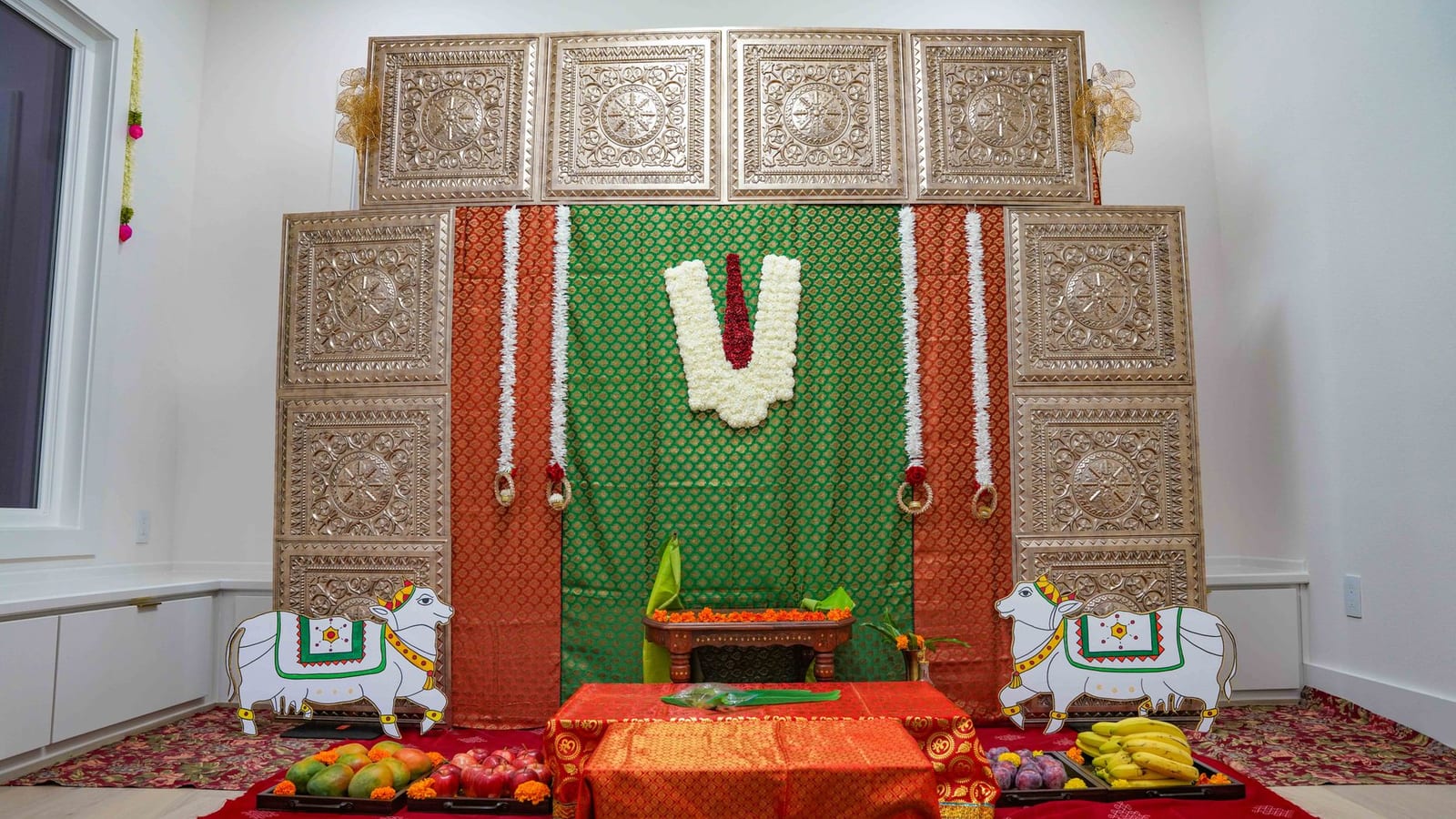
Dussehra worship usually begins with a clean platform covered in red cloth.
Families place images or idols of Lord Ram and Goddess Durga on it. Rice is coloured with turmeric and arranged in a sacred form. Lord Ganesh and the Navgraha are invoked before offerings begin.
The offerings are simple and familiar: flowers, fruit, sweets and prayers. Many households also donate food, money or essentials to someone in need.
Shami puja has a special place in several regions. The Shami tree is linked with courage, protection and prosperity.
Shastra puja, or worship of tools and weapons, also carries a wider meaning today. For a soldier, it may mean arms. For a mechanic, it may mean tools. For a shopkeeper, it may mean the cash counter.
That is where Dussehra quietly enters the economy. India’s festivals rarely separate work and worship. The same day can hold a prayer, a business decision and a family purchase.
The business under the festival
Look closely at Dussehra evening and you see a temporary economy at full speed.
Local vendors sell snacks, balloons, toys, masks and sweets near Ravan Dahan grounds. Tent houses rent out lighting and sound systems. Transport operators see evening demand. Security staff, cleaners and electricians get extra work.
These are not always large, formal contracts. Much of this economy runs through neighbourhood networks and advance cash payments.
That makes timing crucial. If the Ravan Dahan muhurat runs from 5.53 pm to 7.27 pm, hundreds of small sellers plan around that crowd movement.
The gains are spread thin, but they matter. A single good evening can help a seasonal vendor cover rent, school fees or stock for Diwali.
Retailers also watch Dussehra as a sentiment check. If crowds are strong, if families spend freely, and if gold and vehicle bookings rise, it signals confidence before Diwali.
If shoppers stay cautious, businesses know the festive season may need discounts and tighter inventory planning.
Faith, timing and modern India
The interesting thing about Dussehra is how old rituals survive inside modern routines.
A young professional may check a muhurat on a phone before booking a vehicle. A family may finish puja at home before heading to a mall. A trader may do tool worship before opening online orders.
The form changes, but the habit remains. People still look for an auspicious start.
That is why exact timings carry so much weight. They help families coordinate across work hours, school schedules and city traffic.
At the same time, the festival has become a public event. Ramlila grounds, housing societies and market associations turn it into a shared evening.
For businesses, that shared evening is valuable. It brings people out together. In Indian retail, footfall still matters, even when payments move through QR codes.
Dussehra 2024, then, was not only about one evening’s ritual. It was a reminder that India’s festive economy runs on belief, timing and trust. For ordinary readers, the next big question is simple: will that confidence carry into Diwali spending, or will families celebrate brightly but spend carefully?