Lorcan Tucker Takes Ireland T20I Role Before India Tests
Ireland named Lorcan Tucker full-time T20I captain and added three fresh faces for the two-match India series in Belfast.
For Ireland’s young cricketers, 2 nights against Team India can change a career quickly. One good spell, one calm catch, one late cameo, and suddenly selectors look again.
That is the weight behind Ireland’s 14-man squad for the 2-match T20I series in Belfast. The headline is simple. Lorcan Tucker takes charge, and 3 fresh faces get a serious test.
The series also tells us something about India. Under Shreyas Iyer, India are testing another T20 route, with new names and new roles. For both sides, this is short cricket with long consequences.
Tucker gets the full-time keys
Ireland have handed Tucker the permanent T20I captaincy with the 2028 T20 World Cup in mind. He had led the side in 2 matches earlier, but this is different. This is no stand-in job.
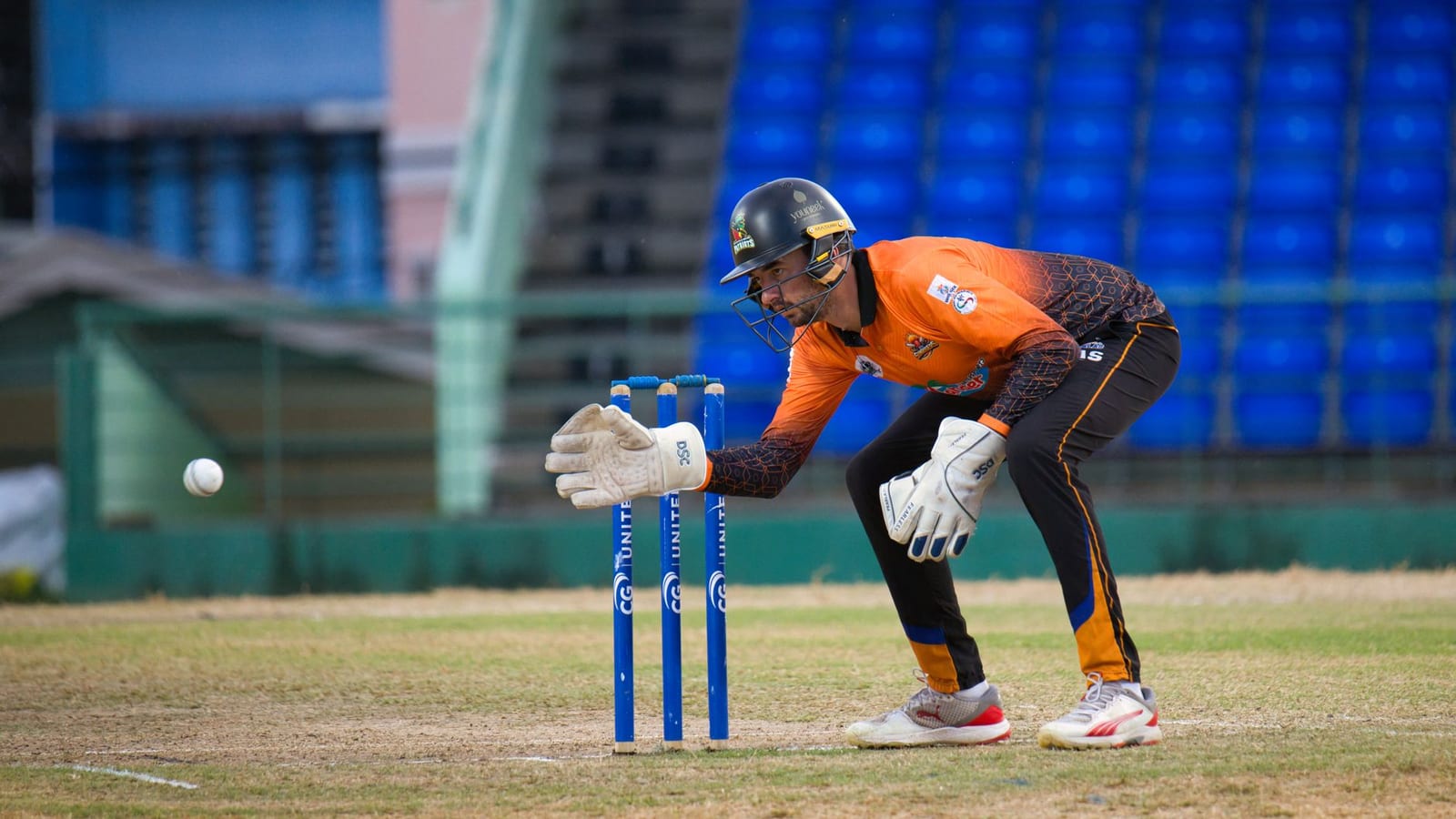
A wicketkeeper-captain carries a special burden in T20 cricket. He watches every batter from behind the stumps. He sees the pitch, the bounce, the swing, and the batter’s nerves.
Then he must make quick calls. Which bowler gets the next over? Does the field come in? Does the slower ball work here? In T20 cricket, one wrong over can empty a match.
Tucker has said leading Ireland at international level is a matter of pride. He also admitted he had not expected the chance to arrive this way. That honesty matters, because captaincy can look glamorous only from outside.
For Ireland, the choice gives the dressing room a clear centre. Smaller cricket nations cannot keep changing plans every 6 months. They need a captain who can build habits, not just chase results.
Three new names get noticed
Ireland’s squad includes Matthew Hollard and Jay Moondra, who have earned their first senior call-ups. Ruben Wilson also enters the T20I group for the first time. He had earlier made his Test debut against New Zealand.
That is a big jump in visibility. A young Irish player can work quietly for years in domestic cricket. Against India, there is no quiet corner. Every ball travels fast, even before it reaches the boundary.
For Hollard and Moondra, this is both a reward and a warning. India will not give them soft entry points. Indian batters are used to pace, spin, crowds, noise, and pressure.
Yet that is exactly why this chance matters. A tidy 3-over spell can change a young bowler’s standing. A 25-run cameo under pressure can tell selectors more than a pretty 70 in an easier game.
Ireland have also kept experience around the newcomers. Ross Adair, Gareth Delany, George Dockrell, Stephen Doheny, Harry Tector, Tim Tector and others give the squad a familiar spine.
That mix is important. If a team bloods too many players without structure, it can look brave and play badly. Ireland seem to be trying something more careful here.
India bring their own reset
India arrive with their own story. Iyer leads a side that is moving into a new T20 phase. The presence of Vaibhav Suryavanshi adds another layer of curiosity for Indian fans.
For India, Ireland tours can look like small stops before bigger assignments. This time, the squad was set to move on to England after the Belfast matches. That can make the Ireland leg sound like a warm-up.
Players know better. For anyone trying to lock a place, there are no small India games. Every innings becomes evidence. Every bowling spell enters the selection-room argument.
Iyer also has to manage a tricky kind of pressure. India’s T20 captain is judged quickly, often unfairly. A bold call becomes genius if it works, and careless if it fails.
That is the job. He must create space for young players, while still winning. Indian cricket talks about transition all the time. The hard part is making transition look calm.
Belfast offers a sharp test
The basic stat line is neat: 2 T20Is, June 26 and June 28, both in Belfast. In cricket terms, that is almost a blink. In career terms, it can be huge.
Belfast also gives Ireland a real chance to make the contest uncomfortable. Home conditions can narrow the gap between a major cricket power and a smaller board. If the ball moves, reputations matter less.
For Indian batters raised on flat IPL surfaces, overseas T20 cricket asks different questions. The ball may not come on nicely. Boundaries may need smarter placement, not just cleaner hitting.
For Ireland’s bowlers, the plan will be clear. Hit hard lengths, take pace off when needed, and make India force the game. Against India, you cannot wait for mistakes. You have to create them.
There is also a business layer here. India matches bring attention that smaller cricket boards rarely get. They help with broadcast interest, sponsors, ticket demand, and local buzz.
That matters to the wider Irish cricket circle. Young players, club coaches, ground staff, and families all feel the effect when India come visiting. A packed short series can do more than a long quiet calendar.
T20 cricket gives teams like Ireland a fighting window. It does not erase India’s depth, money, or talent. But over 20 overs, one brave spell and one clear head can bend the evening.
That is why Tucker’s first permanent assignment carries more meaning than the scorecard will show. If Ireland find 2 or 3 players for the next cycle, they will call this series useful. If India find clarity under Iyer, they will say the same. For ordinary fans, the real story is simple: cricket’s future often announces itself in small squads before it becomes obvious on big nights.