Kerala Leads German Travel Vlogger's India Ranking
German traveller Christian Betzmann put Kerala first for people and natural beauty after visiting more than 20 Indian states, sparking debate.
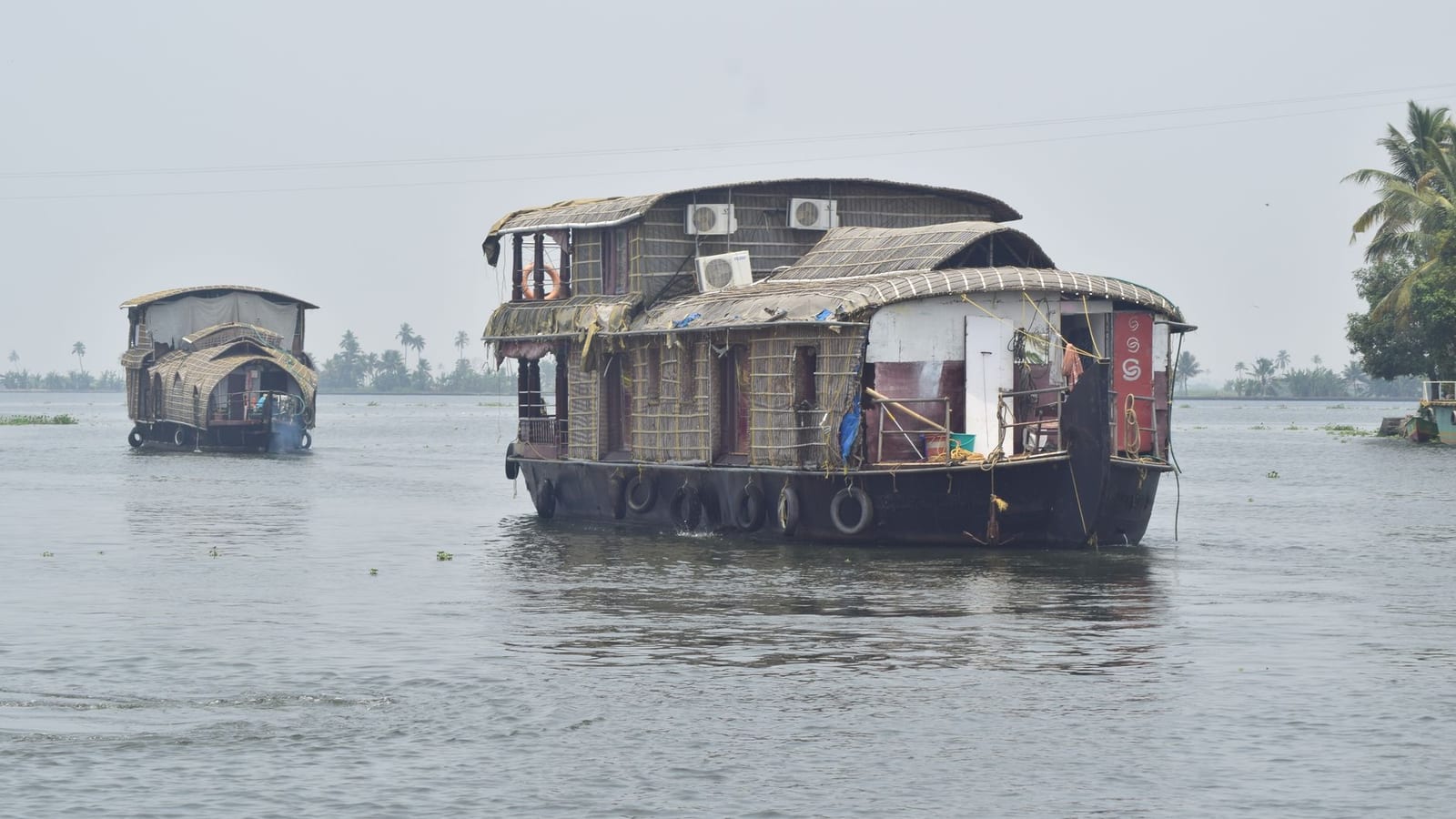
A German traveller’s casual India ranking has done what many travel reels dream of doing. It has made people argue, smile, defend their states, and quietly feel seen.
Christian Betzmann, a vlogger from Germany, has travelled through more than 20 Indian states. After that long run across the country, he put out his own list on Instagram. His verdict was simple. Kerala has India’s best people and the finest natural beauty.
That one line was enough. For Malayalis, it became a moment of pride. For others, it became an invitation to debate. That is India, really. One man’s travel memory becomes everyone’s emotional property.
Kerala wins the soft-power test
Betzmann’s ranking is not an official survey. It has no tourism ministry stamp or research agency behind it. It is one traveller’s view, shaped by roads, meals, stays, conversations, and chance encounters.
Still, such opinions travel fast because they feel personal. When a foreign visitor says Kerala has the best people, it lands differently. It suggests warmth, ease, safety, and that quiet confidence tourists remember.
Kerala’s tourism image has always leaned on backwaters, beaches, Ayurveda, and green hills. But the stronger brand may be its people. A helpful shopkeeper, a patient homestay owner, or a chatty driver often shapes a trip more than a view.
For Indian travellers too, that matters. Families choosing a holiday are not only buying scenery. They are buying comfort. They want clean stays, decent roads, good food, and a feeling that someone will help if plans go wrong.
India through a traveller’s list
Betzmann did not stop at Kerala. He picked Punjab for religious experience and hospitality. He called Meghalaya the best place for adventure. Goa, in his view, had the best community.
His list moved like a backpacker’s memory map. Nagaland stood out for tribal communities. Rajasthan got the nod for architecture. Himachal Pradesh appeared twice, for mountains and clear skies.
He also named Karnataka for surfing and Jaipur for forts. The Taj Mahal remained the most surprising sight. Holi, he suggested, was the wildest experience. Assam, in his eyes, was the most underrated state.
This is not the India of neat brochures. It is the India travellers actually collect. A fort here, a waterfall there, a festival that overwhelms, and a state that quietly exceeds expectations.
That is why the post caught attention. It turned India into a set of lived impressions. Some were flattering, some debatable, and some painfully familiar.
Delhi gets the harsh label
The most uncomfortable part of the ranking was about Delhi. Betzmann called it the most polluted place in his India experience. Many people online did not exactly look shocked.
Delhi has carried that reputation for years. Winter smog, vehicle emissions, construction dust, and crop-burning smoke often turn the city’s air into a public health worry. Residents know this without needing a foreign traveller to say it.
Yet the label still stings. Delhi is not only pollution. It is food, history, power, migration, ambition, and memory. But for a visitor, first impressions can be brutally simple.
If the air feels heavy, that becomes the story. If the traffic feels punishing, that becomes the mood. Travel does not always allow nuance, especially in short public rankings.
Some commenters pushed back. They argued that other Indian cities can be more polluted on certain days. That is fair. Air quality changes by season, weather, and location.
But the larger point remains hard to dodge. India’s tourism story cannot only be about beauty. It also has to deal with basic urban comfort, clean air, waste, and public spaces.
Why the internet argued
The comments under Betzmann’s post reflected a familiar Indian mood. Many agreed with his picks. Some joked that he knew India better than many Indians. One user suggested, in effect, that he had earned an Aadhaar card.
Others felt the list simplified a country that refuses easy ranking. That criticism also has merit. India is too layered for “best people” or “best nature” labels.
A traveller may love Kerala’s social ease, yet someone else may find the same warmth in the Northeast. A visitor may call Goa community-driven, while locals may worry about overtourism, rising rents, and changing neighbourhoods.
That is the charm and risk of such lists. They start conversations, but they flatten complexity. They reward places that make quick emotional impressions.
Still, travel culture now runs on these bite-sized judgments. Reels, short captions, and rankings shape where people go next. A single viral post can push a café, beach, trail, or town into sudden attention.
For state tourism boards, this matters. Younger travellers trust creators more than glossy campaigns. They watch how someone actually moved, ate, spoke, and reacted.
The new Indian travel mood
Betzmann’s post also says something about modern Indian taste. Travellers are no longer chasing only monuments. They want atmosphere, community, nature, adventure, and local feeling.
That shift helps states like Meghalaya, Assam, Nagaland, and Himachal Pradesh. They offer experiences that feel less packaged. For urban Indians tired of malls and screens, that matters.
Kerala benefits from another trend. Wellness, slow travel, clean landscapes, and human warmth are now premium travel values. A backwater stay or hill-town homestay feels different from a rushed checklist holiday.
Punjab’s mention for hospitality also fits an old truth. Food, generosity, and faith tourism remain powerful anchors. A traveller remembers being fed well and welcomed warmly.
Goa’s “best community” tag is more complicated. The state has long attracted seekers, artists, remote workers, and holiday crowds. But local debates over land, nightlife, and culture are becoming sharper.
Assam being called underrated may be the most interesting pick. It shows how India’s travel map is widening. More travellers now look beyond the usual Delhi, Agra, Jaipur, Goa, and Kerala loop.
For ordinary Indians, this viral list may not change life overnight. But it may shape a holiday plan, a weekend discussion, or a state’s tourism pitch. More importantly, it reminds everyone that India’s strongest travel asset is often not a monument. It is the way a place makes a stranger feel when they arrive.