Monsoon Getaways Drive India's New Travel Calendar
Indians are reshaping domestic holidays as July monsoon trips, pet-friendly breaks, road journeys and quieter mountain stays gain traction.
The Indian holiday calendar no longer waits for school vacations and December leave balances.
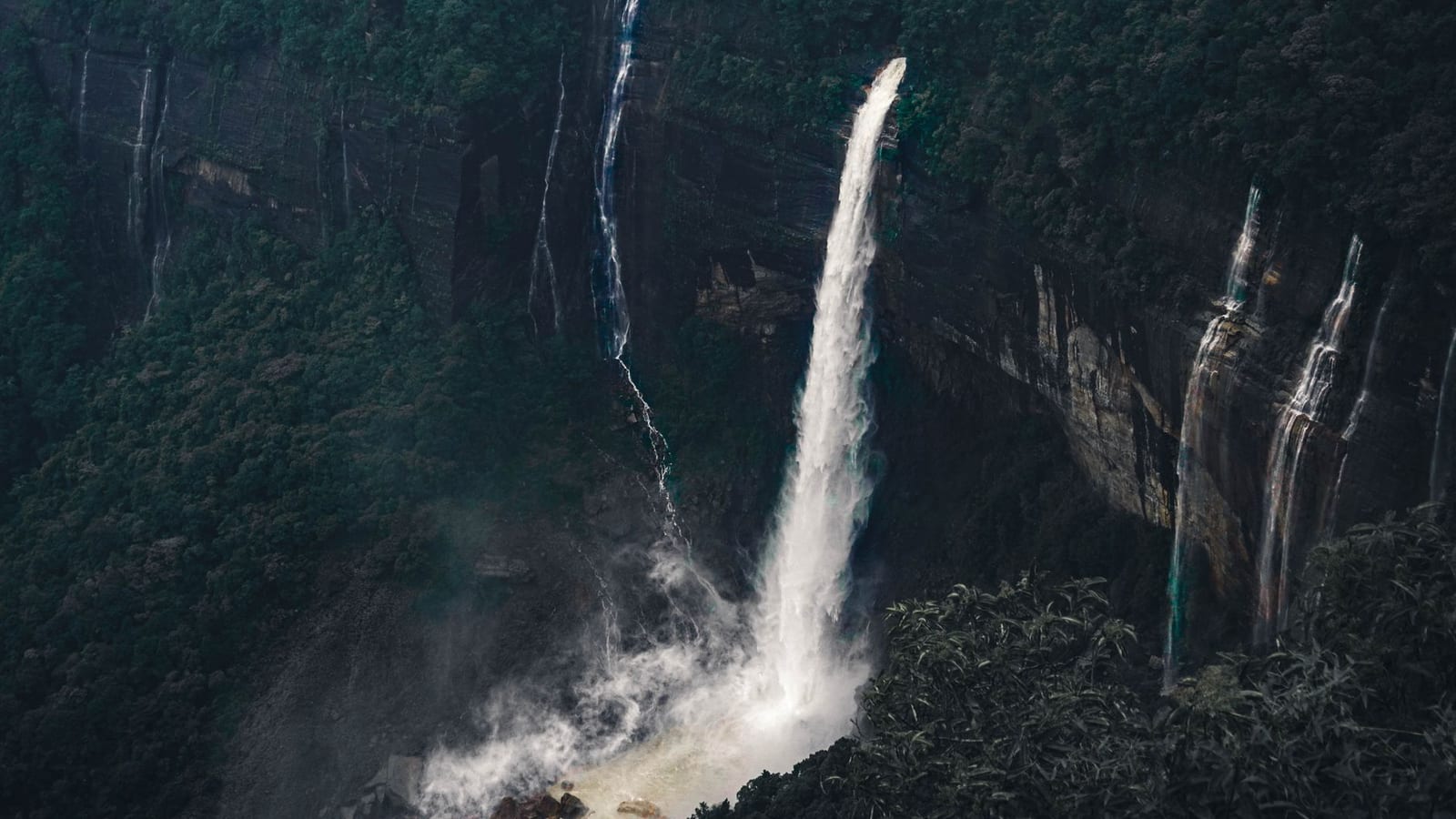
A July weekend can now mean waterfalls in Meghalaya, a tea sunrise in Kolukkumalai, a caravan road trip, or a pet-friendly beach break. The old family template, hill station, hotel buffet, return train, still exists. But it now has plenty of company.
What we are seeing is not just more travel. It is more specific travel. Indians are asking sharper questions. Where can I go in the rains? Where will my dog be welcome? Which mountain town is not packed? Can I feel like I went abroad without actually leaving the country?
Monsoon travel gets a fresh map
July has become one of the most interesting months for domestic travel. Earlier, many families treated the monsoon as a season to avoid. Now, the rain itself has become the reason to go.
The pull is easy to understand. Waterfalls run full, valleys turn green, beaches empty out a little, and hill roads feel alive again. For travellers tired of dry summer crowds, this offers a different India.
Meghalaya sits high on that list. Its living root bridges, waterfalls, misty roads, and wet forests make sense in the rain. This is not a polished resort holiday. It asks for patience, good shoes, and respect for weather.
South India is also drawing rain chasers. Hill stations, waterfalls, and tea country offer cooler days and softer light. Kolukkumalai, known for its high tea estate and sunrise views, fits that mood well.
The important shift is practical. Travellers now plan around seasons, not just destinations. They know Ladakh is not Kerala, and Cherrapunji is not Goa. That sounds obvious, but Indian tourism has often sold places as fixed postcards.
The smarter traveller now asks, “When does this place come alive?” That is a better question than “What is famous here?”
Offbeat does not mean empty
The word offbeat gets used too easily in travel. But the demand behind it is real. People want space, cleaner views, and a break from the same five crowded spots.
Himachal Pradesh shows this clearly. Travellers still love Shimla, Manali, and Dharamshala. Yet many now look for smaller hill stations where they can breathe, walk, eat local food, and not spend half the trip in traffic.
The same pattern appears in Ladakh. Pangong and Leh remain magnets. But places beyond the standard circuit are getting attention from travellers who want raw landscapes and quieter routes.
This is good news, but only if handled carefully. A village does not stay peaceful after every influencer posts the same bend in the road. Roads, waste systems, homestays, and local rules must grow with visitor numbers.
For the traveller, offbeat also means more responsibility. You may not get a polished café every few kilometres. Mobile networks may fail. Weather can change quickly. A good trip needs planning, not just a pretty reel.
That is the trade-off. You get silence, but you also accept uncertainty. For many working couples and young professionals, that is now part of the charm.
Culture is becoming the itinerary
A different kind of travel is also rising. It is less about views and more about stories. Cities are being rediscovered through books, temples, markets, performances, and old neighbourhoods.
Kolkata’s book lanes, Kozhikode’s literary spaces, and Gangtok’s hill cafés show how reading cultures can shape travel. These are not grand monument trips. They are slower city journeys, built around conversations and browsing.
Warangal offers another example. Its Kakatiya temples and ruins are not just stone remains. They sit inside everyday life, surrounded by rituals, roadside talk, and local memory.
Kashi, too, keeps pulling visitors because it mixes devotion, markets, ghats, fatigue, and surprise. A trip there rarely feels neat. That is exactly why it stays with people.
Northern Kerala’s Theyyam spaces and ancient caves point to the same trend. Travellers want to understand where they are, not just photograph it. They may not use academic language, but they are asking cultural questions.
This matters for India’s tourism economy. A monument ticket brings one kind of revenue. A longer cultural stay supports guides, cafés, bookshops, drivers, small hotels, and local food businesses.
For families, retirees, and solo travellers, culture also offers safety in rhythm. You are not chasing adrenaline all day. You are walking, listening, eating, and returning with context.
Airports and apps shape holidays
Travel habits are also changing before the journey starts. Booking platforms, airports, and transport choices now influence where people go and how they spend.
MakeMyTrip reflects that shift. For many Indians, flights, hotels, trains, and holiday packages now sit inside one planning loop. The holiday begins on a screen, with filters doing half the thinking.
That convenience has changed expectations. People compare stays, read cancellation terms, check pet rules, and look for weekend events across cities. The casual traveller has become far more informed.
Airports are also becoming part of the story. Kempegowda International Airport Bengaluru has grown from a transit point into a place with food, shopping, and a wider lifestyle feel. That says something about modern Indian travel.
The airport is no longer just a gate. For business travellers, families, and students flying home, it often sets the mood of the trip. A smoother airport can make a short holiday feel less tiring.
Caravan travel is another sign of experimentation. It appeals to people who want the road itself to be the holiday. But buying, maintaining, parking, and driving a caravan in India still needs careful thought.
Pet-friendly travel points in the same direction. More people want holidays that include the whole household. Flights, train cabins, hotels, cafés, and stays must adapt to that demand.
Local businesses face the real test
All this looks exciting from a traveller’s phone. On the ground, it is more complicated. A sudden rush can help small hotels, drivers, cafés, guides, and homestays. It can also stretch fragile places.
A kirana store owner in a tier-2 hill town may welcome more visitors. A homestay family may earn better through the season. A local driver may finally get bookings beyond the usual peak months.
But more tourists also mean more waste, road pressure, water use, and noise. The problem becomes sharper in mountains, islands, caves, and rain-heavy regions.
Barren Island cruises, Meghalaya caves, Ladakh routes, and Himalayan valleys all need limits and sensible rules. Adventure cannot mean treating delicate places like open playgrounds.
The better model is simple. Let local people earn, let travellers explore, but do not crush the place that attracted them. India has enough examples of what happens when planning arrives after the crowds.
For ordinary readers, the message is clear. The next great Indian holiday may not need a passport, a luxury budget, or a famous pin code. But it does need curiosity, planning, and some restraint. Travel in India is becoming richer and more personal. The real test is whether we can keep it that way.