Pune weighs cloud seeding as dams await monsoon rain
Pune is watching dam storage as nearby Bhira gets heavy rain, with cloud seeding among options if July monsoon flows stay uneven this week.
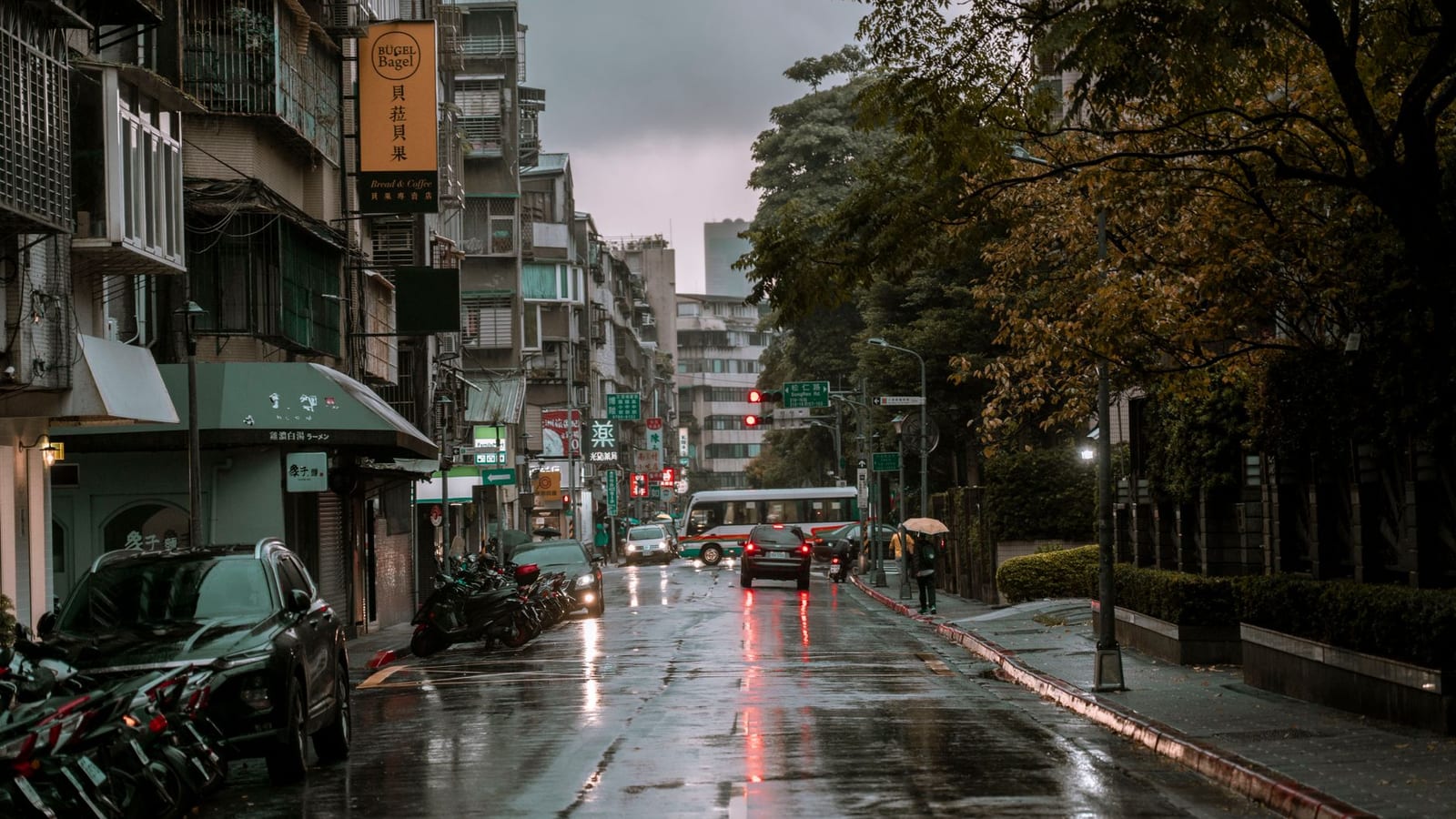
A city usually reveals itself on a wet day, or on a day waiting for rain.
In Pune, both things now seem true. One nearby pocket, Bhira, has recorded 407 mm of rain. Yet parts of the city are still watching dam levels and asking whether July will finally bring steady monsoon relief.
That is the odd tension around Pune this week. Heavy rain is falling close by, civic teams are planning health drives, transport questions are piling up, and families are dealing with the daily risk of bad roads, weak enforcement, and delayed decisions.
Rain relief is still uneven
The 407 mm rainfall at Bhira sounds dramatic, and it is. For ordinary residents, though, one big number does not fill household taps. Pune still depends on how much water reaches the dams that feed the city.
The Pune Municipal Corporation has been watching water storage closely. Officials have discussed options as June ends without the kind of widespread rain the city needs.
One option on the table is artificial rain. In simple terms, this means trying to help clouds produce rain through a process called cloud seeding. It is not magic, and it works only when the right clouds already exist.
For residents, the question is more basic. Will water cuts deepen, or will July’s monsoon activity rescue the city? Every housing society, small hotel, and workshop feels that uncertainty quickly.
A delayed monsoon is not just a weather story. It raises costs for tankers, slows construction work, and hits small businesses that depend on regular footfall.
Civic services face a test
Pune’s public health machinery also has a busy week ahead. The civic body has extended arrangements for children who missed Sunday’s polio dose.
For parents, this matters. A missed dose can cause real worry, especially for families juggling work shifts, travel, or school schedules. The five-day follow-up window gives them another chance.
This is where local governance becomes visible. People may not notice routine health campaigns when they run well. They notice immediately when a booth is missing, a notice is unclear, or a worker cannot answer basic questions.
The city is also dealing with legal and policing matters that have shaken families. A court in Junnar sentenced Ramesh Sakharam Dabhade to three years in prison in a 2020 case involving molestation of a minor girl.
In another case, a special court sentenced 65-year-old Bhimrao Kamble to death for the assault and murder of a three-and-a-half-year-old girl at Nasrapur. The court’s comments showed how strongly it viewed the crime.
These cases are not business stories in the narrow sense. But they shape the trust people place in institutions. A city that wants investment also needs families to feel safe.
Roads, taxis and daily risk
Pune’s transport troubles remain just as visible. On the Pune-Nashik highway, an IT engineer died after a car hit three vehicles near Narayangaon. Seven people were injured, including four women.
Such crashes expose a familiar urban bargain. People move farther for jobs, education, and affordable housing. But the roads connecting their lives often remain dangerous.
For Pune’s technology workers, the highway network is not some distant civic file. It decides commute time, weekend travel, and sometimes life itself.
The row over illegal bike taxis also refuses to fade. A letter from the transport minister, reportedly linked to action against such services, could not be found in records at the Director General of Police office.
That detail came through a Right to Information reply. It raises a simple question. If the government wanted action, where did the instruction actually go?
This matters because bike taxis sit in a grey zone for many commuters. They are cheaper and faster for some riders. But questions remain over permits, passenger safety, insurance, and who takes responsibility after an accident.
For gig workers, enforcement crackdowns can mean lost income overnight. For auto drivers, unregulated competition can feel unfair. For passengers, the cheapest ride may not always be the safest one.
Pimpri-Chinchwad waits for clarity
The red zone issue in Pimpri-Chinchwad has now reached a fresh stage. The state government has announced a coordination committee to look into the matter.
Urban Development Minister Madhuri Misal told the Assembly that the committee would work on the issue within a month. The dispute affects thousands of residents and about 62,000 properties.
That number tells its own story. A red zone is not just a mark on a planning map. It can freeze repairs, block redevelopment, and reduce property value.
For families, it means living in homes they may not be able to improve. For small builders and suppliers, it means stalled work. For banks, it can complicate loans against property.
Pimpri-Chinchwad is not a sleepy suburb anymore. It is an industrial and residential engine. When land-use uncertainty drags on, it slows money, jobs, and household decisions.
This is also a warning for fast-growing Indian cities. Expansion without clear rules creates years of pain later. People buy homes first, and governments sort files much later.
Education anger reaches the street
The teachers’ eligibility test paper leak has added another layer of anger. Maharashtra Navnirman Vidyarthi Sena workers protested in Pune and targeted the examination council leadership.
The protest showed how exam leaks now hit a raw nerve. For young candidates, one paper does not mean one afternoon. It means months of coaching fees, travel, family pressure, and borrowed money.
When a paper leaks, honest candidates pay twice. They lose time, and they lose faith in the system. That damage lasts longer than one cancelled exam.
For the wider economy, this is not small. India’s cities need teachers, nurses, clerks, drivers, engineers, and technicians selected through fair processes. Weak exams produce weak trust.
Pune often sells itself as a city of education, enterprise, and upward mobility. That image still has power. But it depends on boring things working well, safe roads, clean records, fair exams, reliable water, and health workers who reach every child.
The next few weeks will show whether July’s rain eases only the reservoirs, or also the pressure on Pune’s civic systems. For ordinary residents, that is the real test. A good city is not one where every crisis vanishes. It is one where people do not have to fight the system for every basic answer.