Surat Safe House Gold Theft Sparks Locker Security Fears
A Rs 2.67 crore gold theft at Nakshatra Safe House in Surat has rattled locker holders as police probe the operator, his sons and a locker breaker.
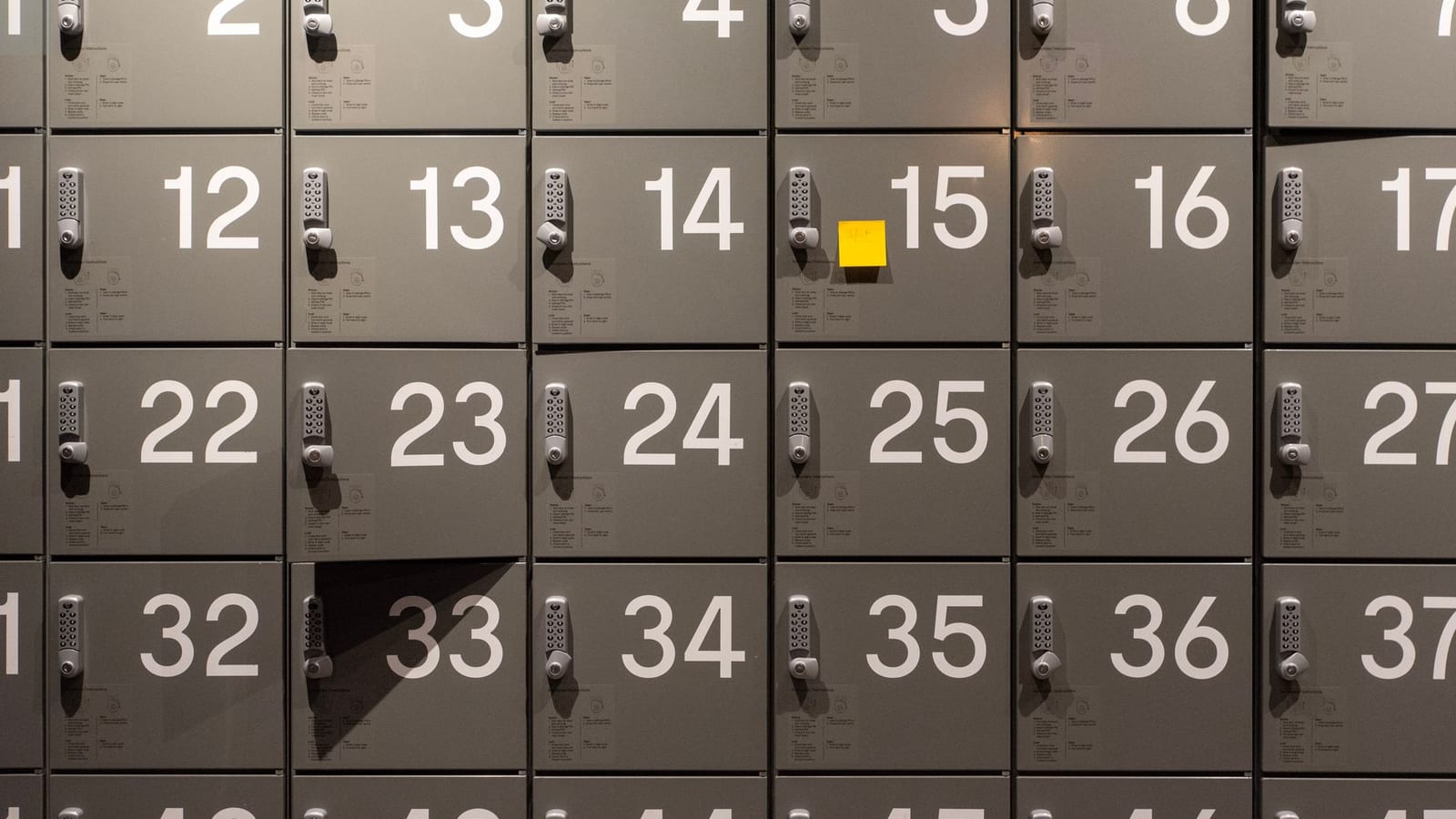
A locker key is supposed to buy peace of mind. In Surat, it has instead opened a very uncomfortable question.
Gold worth ₹2.67 crore has gone missing from Nakshatra Safe House in Surat, where 206 tola of jewellery was allegedly stolen. The case details say the operator, his sons, and a locker breaker plotted the theft.
For locker holders, this is not just a crime story. It is the sort of news that makes families check receipts, call relatives, and wonder who really guards their savings.
Surat locker holders face panic
The immediate impact was visible at two branches, where locker holders, including builders, rushed for answers. That reaction tells us enough.
A locker is where people keep the part of their wealth they do not want to discuss. Gold bought over decades. Wedding jewellery. Emergency savings. Sometimes, old family assets with more emotion than market value.
In India, gold is not just an ornament. It works like an informal insurance policy. Families sell it when medical bills rise, businesses slow, or loans become hard to manage.
That is why a ₹2.67 crore theft from a safe house cuts deeper than a simple burglary. It shakes the basic promise behind the locker business.
Trust is the real product
Private locker operators sell security. The walls, cameras, registers, keys, and guards are only the packaging.
The real product is trust. Once that cracks, customers do not ask only about one missing locker. They ask whether the whole system was loose.
The alleged role of the operator’s family makes this case more damaging. If insiders helped the theft, then better locks alone will not fix the problem.
For customers, the question becomes simple. Who checks the people who check the lockers?
That matters in cities like Surat, where business families often move quickly. Builders, traders, jewellers, and small manufacturers need places to park valuables safely.
They may not all use large bank lockers. Some turn to private safe houses because access is easier, paperwork is lighter, or location is convenient.
But convenience has a price. When rules remain unclear, the customer carries more risk than expected.
Business fraud has a pattern
Surat is also dealing with another business fraud case. A ₹20,000-a-month employee allegedly created a duplicate firm and siphoned off ₹1.80 crore.
The money trail, as described in the case, points to a luxury home, land in Navsari, a car, and gold bought for family members.
That is not a small payroll problem. It shows how weak internal checks can bleed a business slowly.
Many Indian firms still run on personal trust. The owner knows the staff. The accountant has been around for years. The purchase clerk handles paperwork because “he understands the system.”
That works until it does not.
A duplicate firm is not magic. It usually needs gaps in vendor approval, invoice checks, bank account verification, and payment review.
In plain English, one person should not be able to create a supplier, approve payments, and move money without questions.
The Surat employee case shows how fraud often hides in ordinary paperwork. The theft does not always arrive with broken doors. Sometimes it arrives as a neat invoice.
Ahmedabad scrap deal raises alarms
A third case adds another layer. Scrap traders from Ahmedabad allegedly took ₹1.60 crore from a Faridabad company after discussing a ₹10 crore scrap deal.
Scrap is a tough business. Margins can be thin, prices move fast, and trust between buyers and sellers matters a lot.
Large deals often involve advance payments. That creates room for fraud when buyers rush, paperwork looks convincing, and verification stays shallow.
For a company in Faridabad, the loss is not only ₹1.60 crore. It may also mean delayed orders, blocked working capital, and pressure from lenders or customers.
Working capital is the money a business needs for daily survival. When it gets stuck, salaries, supplier payments, and deliveries can all suffer.
This is why fraud in trade chains has a wider effect. One bad deal can hit vendors, transporters, workers, and customers who never met the accused.
The lesson for small businesses
These Gujarat cases look different on the surface. One involves lockers, another an employee, and another a scrap deal.
But the same weakness runs through all three. People trusted a system without enough checks.
For locker customers, the first question should be basic. Is the operator registered, insured, audited, and properly monitored?
For business owners, the lesson is sharper. Trust your staff, but verify the process.
Every vendor should have proper documents. Payments should need more than one approval. Bank details should get checked independently before large transfers.
Inventory, gold, cash, and invoices all need routine audits. That sounds boring, but boring systems save money.
For traders, advance payments need discipline. A site visit, company verification, GST checks, contract terms, and staged payments can reduce risk.
None of this removes fraud fully. But it makes fraud harder, slower, and easier to catch.
The wider message is clear. India’s business culture still runs heavily on relationships. That is useful, but it cannot replace systems.
A kirana owner, a builder, a textile trader, and a scrap dealer may all believe they know whom they are dealing with. The hard truth is that fraud often begins exactly there.
The Surat locker theft will now test how quickly victims get clarity and accountability. But for ordinary readers, the warning has already arrived. In business, trust is valuable. Paperwork, audits, and second checks are what protect it.