Zelenskyy says Russia shared Gulf base images with Iran
Zelenskyy alleges Russian satellites tracked US-linked Gulf bases before images reached Iran, as Trump says he will raise the claim with Putin.
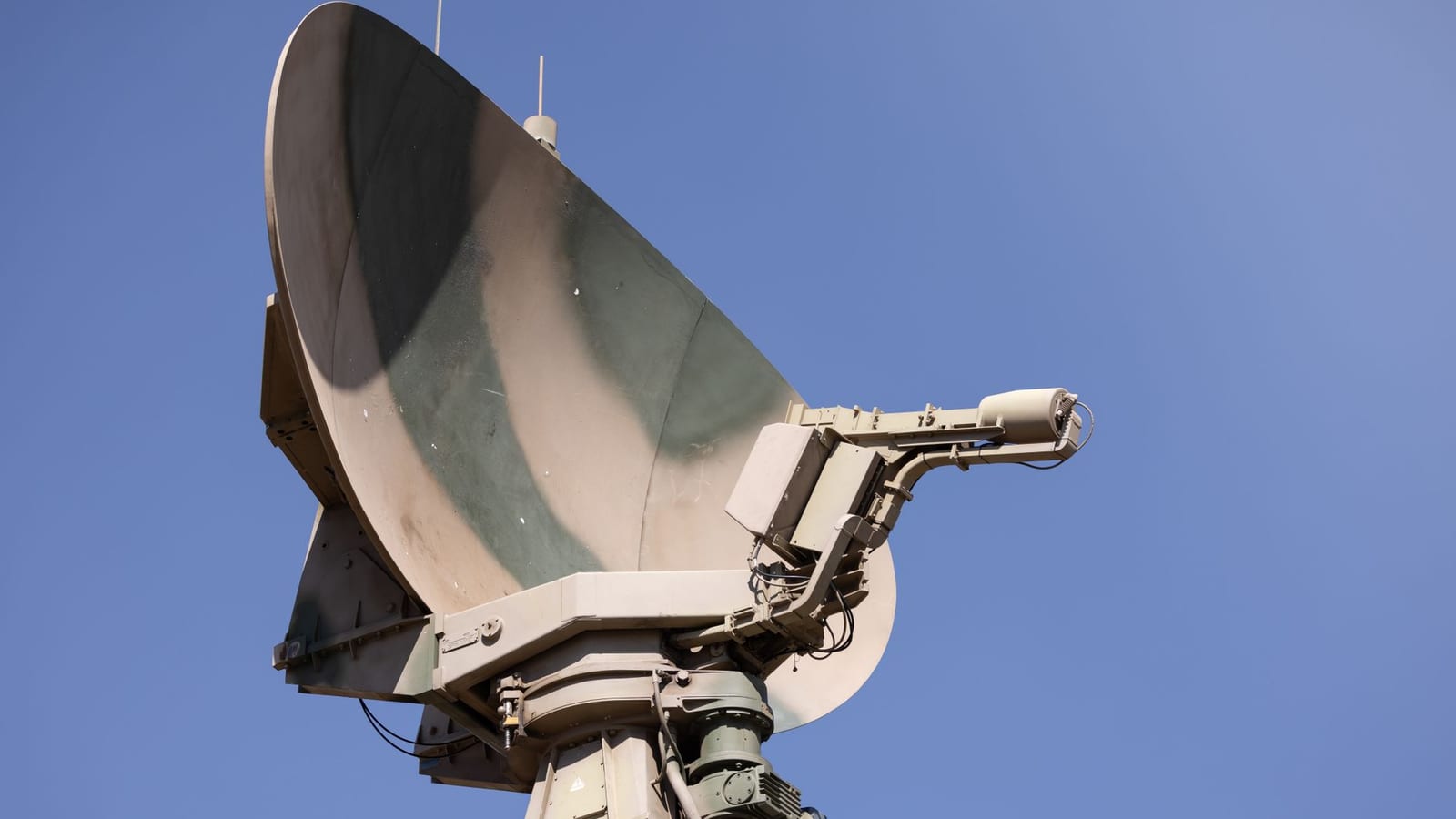
A satellite passing quietly over the Gulf can now matter as much as a missile battery.
That is the uncomfortable charge from Volodymyr Zelenskyy, who says Russia tracked US-linked military sites in the Middle East, before those images reached Iran. Donald Trump, asked about it aboard Air Force One, said he would raise it directly with Vladimir Putin.
For Indian readers, this is not distant noise. The Gulf is where millions of Indians work, trade routes run, and oil prices begin their journey into our monthly budgets.
Zelenskyy points to satellite tracking
Zelenskyy said Ukraine had recorded Russian satellite activity over Gulf states and American military facilities since early July. He claimed those images later appeared in Iran’s hands.
He also said the timing looked too neat to ignore. Russian satellites, he argued, watched sites before Iranian strikes, and again after them, to assess damage.
Zelenskyy cited July 19 and 20 as key dates. He said Russian satellites focused on four air bases, two in Bahrain, one in Jordan, and one in Kuwait.
Those sites later featured in Iranian military planning, he said. His larger message was blunt. Moscow, in his view, was helping widen the conflict.
That accusation matters because satellite imagery is not some abstract space-age toy. It can show runways, aircraft shelters, troop movement, fuel storage, and repair work.
In plain English, it helps one side see what the other side wants hidden. For soldiers on a base, that can turn geography into danger.
Trump keeps diplomacy alive
Trump did not confirm Zelenskyy’s charge. He said he would ask Putin and “find out,” while also playing down its battlefield impact.
His argument was simple. The US campaign, he said, had already badly damaged Iran’s military ability. So any outside help had not changed much, in his telling.
At the same time, Trump kept the diplomatic door open with Tehran. He said Iran had asked for talks after sustained American strikes.
His message carried both carrot and stick. If negotiations work, the fighting pauses. If they fail, he said Washington could resume military action.
That is classic Trump theatre, but the stakes are not theatrical. American troops remain stationed across a wide belt of the Middle East.
Available figures put US military deaths in the Iran conflict at 18. At least 624 service members have been injured.
Among the recent deaths were three US soldiers killed at Muwaffaq Salti Air Base in Jordan. Another soldier died during a controlled demolition of an Iranian drone in Iraq.
For families of troops, satellite diplomacy sounds cold and remote. But it can decide whether a base gets warning, or gets hit.
Russia and China face questions
Zelenskyy’s allegation does not stand alone. US officials have already faced questions on whether Russia and China are helping Iran.
At a congressional hearing, US Defense Secretary Pete Hegseth avoided sharing classified details. But he accepted that America’s strategic rivals were assisting Tehran in some way.
He said both countries were enabling some Iranian actions at different levels. He also said the depth of that support should remain classified.
That careful wording tells its own story. Washington may not want to reveal what it knows, or how it knows it.
Only days earlier, Trump sounded more dismissive. He said Putin and Chinese President Xi Jinping had assured him they were not helping Iran.
He wrote that, in his opinion, Russia and China were not participating. He also warned that involvement would be bad for them.
Now his tone has shifted. He is no longer brushing off the question. He says he will ask Putin directly.
That may sound straightforward, but diplomacy rarely works like a police complaint. Putin can deny, deflect, or demand proof.
And if the intelligence remains classified, the public may never see the full picture. We may only see hints through official words.
Why India should watch closely
India has every reason to track this story carefully. The Middle East is not just a foreign-policy map for New Delhi.
It is a workplace for Indian migrants, a source of crude oil, a market for exports, and a corridor for shipping.
When missiles fly near the Gulf, oil traders react first. Then airlines, insurers, importers, and eventually ordinary consumers feel it.
A rise in crude prices can affect petrol, diesel, transport costs, and food prices. Even a modest shock can travel fast through India’s economy.
There is also the diaspora question. Indian workers in Gulf countries live close to the region’s pressure points.
Most may never see a missile or a military base. But their jobs, remittances, and safety depend on regional calm.
For Indian businesses, uncertainty brings another problem. Shipping delays, insurance spikes, and currency swings can hurt margins quickly.
This is why satellite surveillance matters beyond the battlefield. Modern wars now move through data before they move through firepower.
A satellite image can guide a strike. A drone can test air defences. A leaked map can shift negotiations.
For India, the lesson is familiar. Great-power rivalry rarely stays inside neat borders. It spills into energy, migration, trade, and diplomacy.
New Delhi will likely avoid loud public judgment unless proof becomes clearer. But it will watch the Gulf with the caution of a country that has much to lose.
The next few days will show whether Trump’s call to Putin lowers the temperature, or merely confirms the chill. For ordinary Indians, the story is simple enough. A conflict that looks far away can still reach the petrol pump, the airport counter, and the family WhatsApp group waiting for news from the Gulf.