Monsoon Turns Lohagad Fort Trek Tougher For Visitors
Lohagad Fort's monsoon trek draws weekend visitors from Pune and Lonavala, but wet stone steps, wind and crowds make the climb demanding.
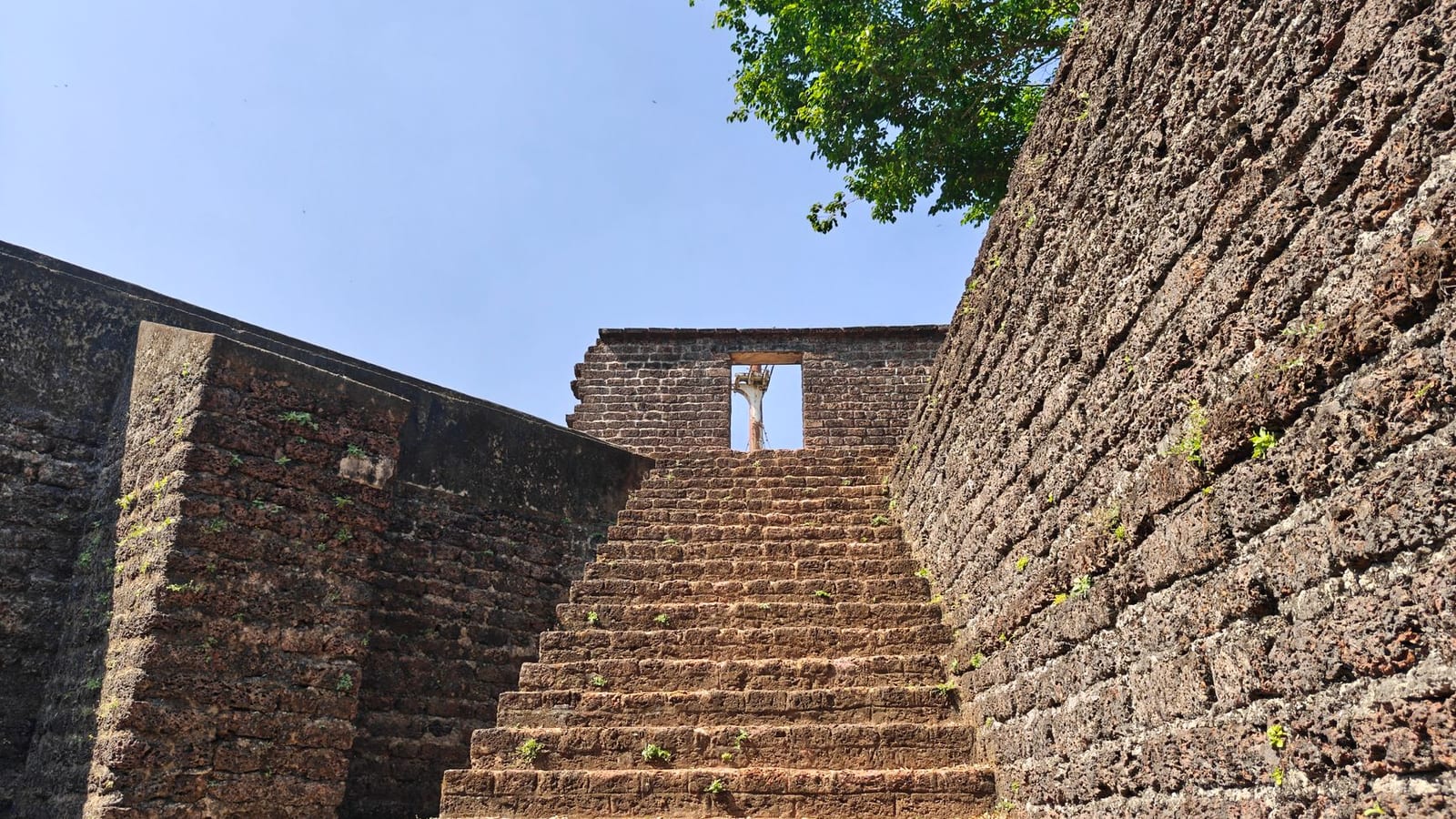
The rain does not decorate Lohagad Fort. It takes over the whole mountain.
By the time travellers reach Lohagadwadi village near Lonavala, the fort feels less like a monument and more like a living hill. Water runs down stone steps. Clouds sit low over the ridge. Tea stalls smoke quietly at the base.
For weekend travellers from Pune, this is the Sahyadri monsoon at full volume. Pretty, yes. Also slippery, crowded, windy, and very real.
Why monsoon changes Lohagad
Lohagad sits in the Western Ghats, close enough for a day trip but wild enough to demand respect. In the dry months, it is a historical walk. In the rains, it becomes a proper mountain experience.
The trek from Lohagadwadi usually takes around two hours on foot. The route climbs through stone steps, wet bends, and sudden views of waterfalls and green slopes.
That is why many travellers prefer the monsoon. The fort looks dramatic, and the valleys below turn lush. But the same rain also makes the climb harder.
Water rushes over the steps in places. Wind can slow the climb. A casual outing can quickly test balance, shoes, and patience.
The climb from Lohagadwadi
Lohagadwadi is not just a starting point. It is part of the trip.
Villagers sell vegetables, fruit, tea, and hot snacks near the base. For small stall owners, the rainy season brings both trouble and trade. Bad weather affects daily life, but tourists bring income.
That detail matters. Every monsoon trek has two stories. One belongs to the visitor with a phone camera. The other belongs to the local seller waiting for enough footfall.
A hot cup of tea at a hillside stall feels simple. For the traveller, it is comfort before the climb. For the vendor, it is seasonal business.
The local flavour also comes through in language and dress. Marathi fills the air, though Hindi works easily enough. Many locals also understand regional tongues from nearby belts.
This is not a polished resort trail. That is its charm. Lohagad still feels rooted in village life, not packaged tourism.
Four gates and a hard climb
The fort has four main gates: Ganesh Darwaza, Narayan Darwaza, Hanuman Darwaza, and Maha Darwaza. Travellers pass through these before reaching the upper sections.
These gates are not decorative leftovers. They show how defence shaped every part of the fort. Entry was meant to slow people down.
The steps, turns, walls, and height all worked together. Long before cameras arrived, Lohagad watched trade routes and armies.
The fort’s name also carries weight. “Loha” means iron in Marathi. The name fits a hill fort built to feel stubborn and difficult to breach.
The walls use basalt rock, the dark volcanic stone common in this region. It gave strength against attack and weather. Even today, that stone defines the climb.
Once on top, the reward is wide and windy. Mist moves across the valleys. The fort’s stone edges frame the Sahyadri ranges like an old battlefield map.
History sits on the ridge
Lohagad is believed to be around 2,000 years old. Its history passed through several rulers and kingdoms.
The Deogiri Yadavas, Delhi Sultanate, Bahmani rulers, Nizamshahi rulers, Mughals, and Chhatrapati Shivaji all connect to its story. That layered past makes the fort more than a weekend climb.
On the top, travellers can still see old remains linked to a temple and a mosque. They point to changing rulers, faiths, and communities over centuries.
This is where Lohagad becomes more interesting than a pretty viewpoint. It shows how power moved across the Deccan. Forts were not only military sites. They guarded trade, movement, and money.
Vinchukada is another striking feature. The rocky extension resembles a scorpion’s tail. It is part of the fort and offers one of the most memorable views.
Pawna Lake adds a softer note to the landscape. From above, water and mountain sit together in that classic Maharashtra monsoon frame.
What travellers should watch
Lohagad is friendly for beginners, but monsoon travel needs care. That sentence may sound boring, but it can save the day.
The stone steps become slippery when rainwater flows over them. Some stretches have uneven stones. A few edges and gaps need attention, especially near bastions.
Many trekkers now carry trekking poles or hiking sticks. On this trail, they make sense. They help during steep climbs, wet descents, and sudden gusts.
Good shoes matter more than good photos. A firm grip is worth more than a stylish pair. Travellers should also carry water, a light rain jacket, and basic snacks.
The climb is best done with time in hand. Rushing downhill in rain is where many slips happen. Families with children should move slowly near narrow sections.
The fort’s bastions, called buruj, deserve caution. These rounded structures once helped guards watch enemy movement and send signals. Today, they attract visitors looking for views.
That is where common sense should step in. Wet stone and selfie excitement do not mix well.
Lohagad’s magic lies in this balance. It gives city travellers beauty, history, sweat, rain, and hot tea in one compact trip. But it also reminds us that the Sahyadris are not a backdrop. They are living mountains, carrying local livelihoods, old wars, and ordinary weekend dreams up the same slippery steps.