Wisconsin tornado leaves Menasha damaged, power cut
A tornado struck Menasha and nearby Appleton, damaging homes and businesses, flipping vehicles and cutting power to over 30,000 residents.
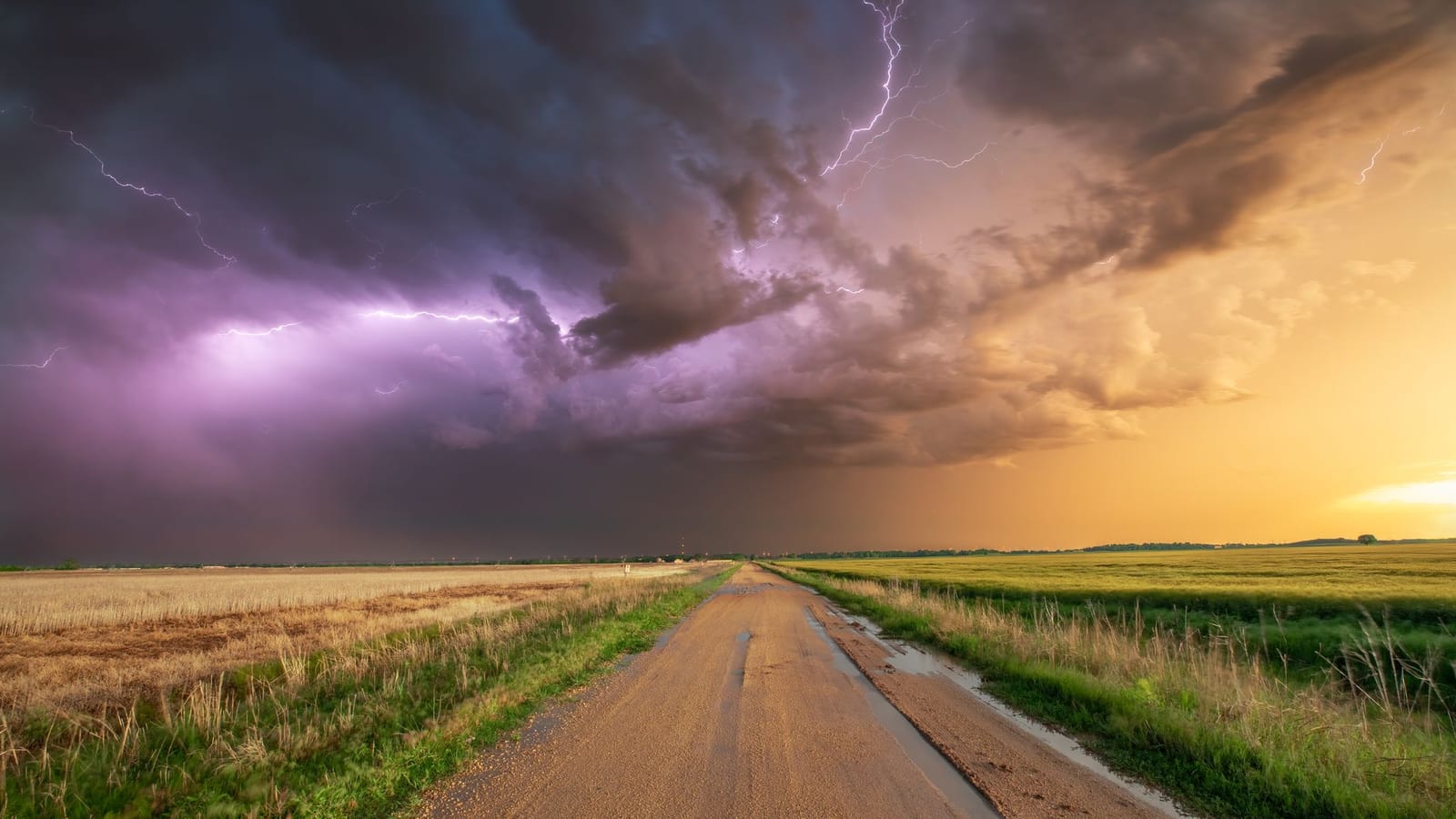
A Monday afternoon in Wisconsin turned black like midnight, and then the roofs began to go.
The tornado hit northeastern Wisconsin on July 27, ripping through Menasha and nearby Appleton. It smashed homes, damaged businesses, flipped vehicles and cut power to more than 30,000 people.
For Indian families tracking relatives, students, or summer travellers in America’s Midwest, this was a sharp reminder. Weather there can change from dull to dangerous in minutes.
Menasha takes the hardest hit
The National Weather Service confirmed a tornado in Winnebago County, around 145 km northwest of Milwaukee. Officials reported heavy damage in Menasha, Appleton and Fox Crossing.
Menasha Police Chief Matt Albrecht said some homes and businesses suffered severe damage. He urged residents to stay indoors because many streets had fallen trees, downed power lines and other hazards.
A worker nearby, Heather Schroeder, described hearing sharp cracking sounds as the storm tore through a street corner. She said a laundromat, a bakery and a neighbourhood tavern were destroyed.
She also said cars had overturned and a gas leak had been reported at the laundromat. Rescue workers pulled one person from a building, though their condition was not clear.
Near Lake Winnebago, the storm ripped roofs from homes and tossed vehicles around. Some houses appeared to be standing only by their outer walls.
Power cuts trap the city
Menasha’s local electric utility said the entire city, home to about 18,000 people, was believed to be without power. That means no lights, no cooling, no working traffic signals, and possibly no phone charging for many households.
Authorities opened a church shelter for residents who needed a safe place. But two other public buildings opened earlier for shelter later lost power too.
The senior centre and library also shut because they had no electricity. For older residents, families with small children and people using medical devices, such outages quickly become more than inconvenience.
Appleton Police said several large trees and branches had fallen across the city. Traffic signals went out, and some roads became badly backed up.
That matters for emergency teams. A blocked road during a storm can delay ambulances, fire crews and utility workers at the worst possible hour.
Warnings came before impact
Meteorologists in Green Bay issued a tornado warning for the Fox Cities area at 11.59 am. That region includes Appleton, Menasha and Neenah.
The storm struck Menasha and eastern Fox Crossing around 12.20 pm, Albrecht said. By 12.25 pm, the tornado had moved over Lake Winnebago and was heading south towards Fond du Lac County.
The warning was blunt. Flying debris could be dangerous, mobile homes could be damaged or destroyed, and roofs, windows and vehicles could take hits.
The area had already been under a severe thunderstorm warning for around 45 minutes. Winds of up to 97 kph were possible.
This is the part travellers often underestimate. In the American Midwest, a thunderstorm warning is not just background noise. It can be the first knock before something worse enters the room.
No deaths reported yet
Winnebago County Executive Gordon Hintz said he had no confirmed reports of deaths or injuries. But emergency teams were still checking damaged areas.
Outagamie County Executive Tom Nelson also said there was no confirmed loss of life or injury in his county. Still, he described the damage in Menasha and Fox Crossing as extensive and severe.
Meteorologist Holley Kamba said the weather service had received reports of fallen trees, downed power lines and structural damage. Officials were still collecting pictures and reports from the ground.
Wisconsin Governor Tony Evers said the state was ready to help communities as needed. That help could include emergency crews, repair support and coordination with local agencies.
The caution here is simple. Early disaster reports often change. Damage becomes clearer only after crews enter blocked streets and check damaged buildings.
What travellers should learn
For Indians planning trips across the United States, Wisconsin may not sound like a weather-risk destination. It is more likely to appear in plans for university visits, family stays, business trips, or Great Lakes holidays.
But tornado alerts are part of life across several American states. They are not just rural events. They can hit city streets, shopping areas and neighbourhoods within minutes.
The practical rule is plain. If local authorities issue a tornado warning, do not wait to see the sky. Move to a basement or an interior room away from windows.
Hotels in storm-prone regions usually have safety instructions. Travellers should ask the front desk where to shelter, especially during peak storm months.
Indian visitors driving through such areas should also treat weather alerts seriously. A car is a poor shelter during a tornado, especially with flying debris and falling trees.
This storm also shows why power cuts matter during travel. Keep phones charged, save local emergency numbers, and avoid roads after officials ask people to stay inside.
For Menasha and Appleton, the next few days will be about repairs, searches and restoring power. For everyone watching from far away, the lesson is quieter but useful: weather abroad needs the same respect as weather at home. A blue-sky itinerary can change fast, and safety often depends on listening before the danger arrives.