Vat Purnima 2026 Observed In Maharashtra On June 29
Vat Purnima 2026 is being observed on June 29 in Maharashtra, with married women performing banyan tree puja and sharing Marathi greetings.
For many married women in Maharashtra, June 29 is not just another date on the calendar. It is the morning of silk sarees, green bangles, vermilion, fasting, and a prayer whispered under a banyan tree.
Vat Purnima 2026 is being observed on June 29. Across Maharashtrian homes, the festival carries a familiar mix of faith, family, memory, and modern phone screens lighting up with greetings.
The ritual may be old, but the way families mark it now has changed. A prayer at the banyan tree sits beside a status update on WhatsApp. A hand-written blessing becomes a forwarded Marathi message. Tradition has found its place in the digital bazaar.
Why Vat Purnima matters
Vat Purnima is observed mainly by married Hindu women, especially in Maharashtra. Women pray for the long life and well-being of their husbands, and for stability in married life.
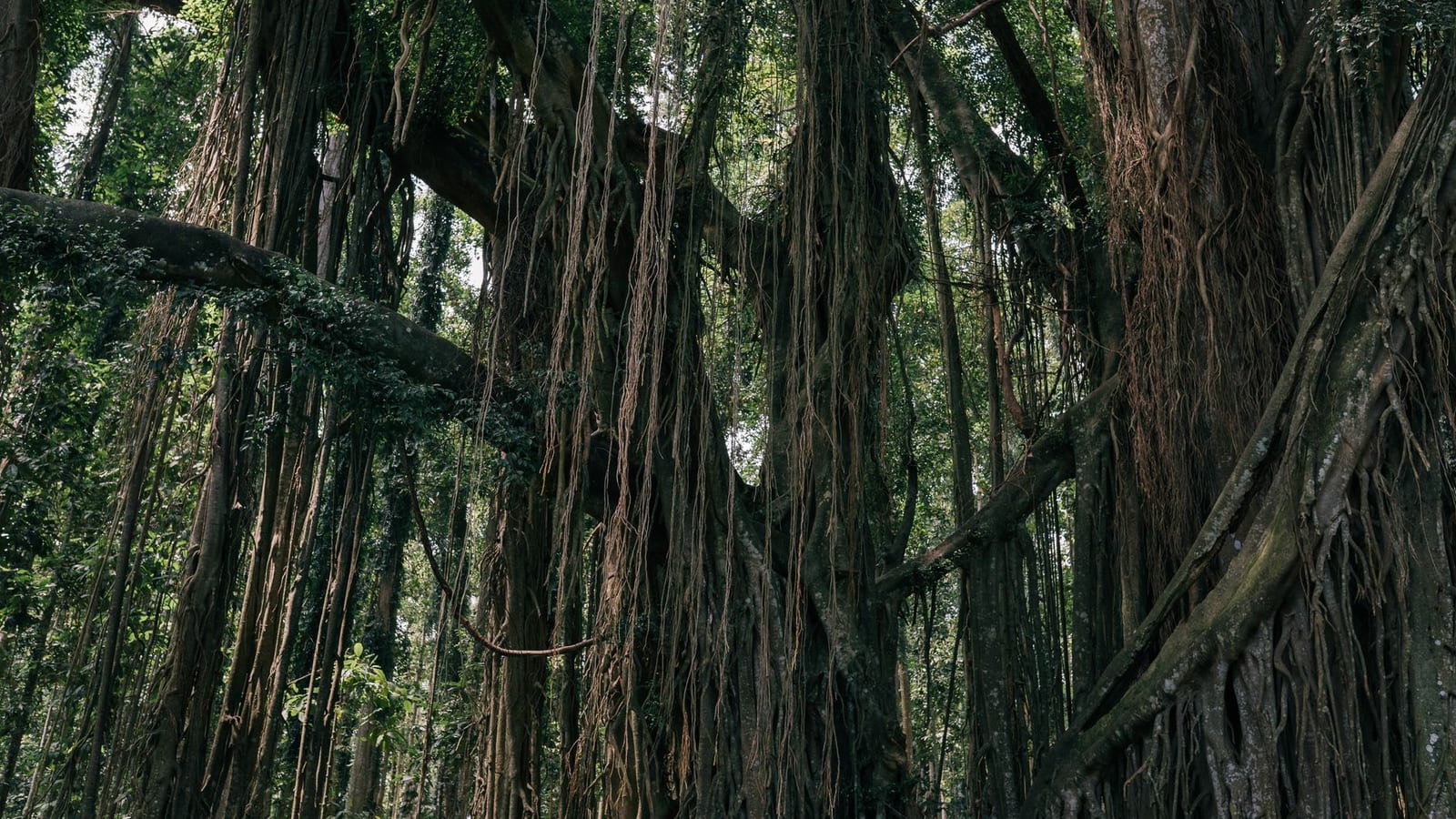
The ritual centres on the banyan tree, or “vat”. Women dress in traditional clothes, perform puja, and walk around the tree while tying a sacred thread.
The festival is linked to the story of Savitri and Satyavan. Savitri is remembered as the devoted wife who challenged death itself to bring her husband back to life. That is why the festival is also called Vat Savitri.
For newly married women, the first Vat Purnima often carries special emotion. It becomes part prayer, part family milestone, and part social introduction into married life.
The market behind the ritual
Every festival creates a small economy around it. Vat Purnima is no different.
A few days before the festival, local markets see demand for sarees, bangles, mangalsutras, flowers, puja thalis, kumkum, turmeric, fruits, and sacred threads. For small vendors, these short festival windows matter.
A flower seller outside a temple, a bangle shop in a busy lane, or a small saree store in a tier-2 city often depends on such days. The rush may last only a few days, but it brings cash sales.
There is also the beauty and grooming side. Many women dress in the full traditional look, with saree, ornaments, glass bangles, mangalsutra, and sindoor. That means business for salons, mehendi artists, jewellery shops, and neighbourhood tailors.
In Indian retail, big festivals grab headlines. But smaller, regional festivals quietly keep local commerce moving. They are not just religious events. They are working capital days for thousands of small businesses.
Greetings move to phone screens
The festival has also travelled deep into the digital habit of Indian families.
Many people now send Marathi wishes, quotes, captions, and status messages through WhatsApp, Facebook, and Instagram. A greeting that once came through a visit or phone call now appears as a short message before breakfast.
These messages usually pray for a husband’s long life, happiness in marriage, prosperity at home, and lasting companionship. The language is emotional, simple, and deeply rooted in family life.
This matters because Indian festivals are no longer only celebrated in physical spaces. They now live in photo albums, reels, family groups, and status updates.
For media companies and content platforms, festival greetings have become a steady seasonal product. Readers search for ready-to-send messages in Marathi, Hindi, English, and other Indian languages. Publishers know this pattern well.
It may look lightweight, but it tells us something important. Indians want digital content in their own languages, especially around festivals, rituals, and family moments.
Faith, family, and changing choices
Vat Purnima also sits inside a changing conversation about marriage, gender, and tradition.
Many women continue the vrat with devotion. Some see it as a spiritual act. Some see it as a family custom. Some observe it because mothers and grandmothers did. Some younger couples may give it a more mutual meaning, with both partners praying for each other’s health and happiness.
That range is important. India rarely changes by replacing old customs overnight. It changes by adding new meanings to them.
The source tradition speaks of a wife praying to receive the same husband across lifetimes. In today’s world, many families read that less literally, and more as a wish for trust, support, and togetherness.
This is where festivals remain powerful. They allow people to express emotions that daily life often buries. Work stress, loans, school fees, medical bills, and household duties leave little room for ceremony. A festival makes space for gratitude.
Regional festivals are serious business
For companies, Vat Purnima is also a reminder that India is not one festival market.
A national brand may plan for Diwali or Raksha Bandhan. But real India runs on hundreds of local calendars. Maharashtra has its own strong festival rhythm, just as Tamil Nadu, Bengal, Punjab, Assam, and Kerala do.
This matters for retailers, payment apps, social media platforms, e-commerce firms, and local advertisers. A campaign that ignores regional culture misses real spending behaviour.
A saree shop does not need a national festival to see demand. It needs the right local date. A jewellery brand can build trust by understanding when women actually buy, gift, dress up, and celebrate.
The same applies to content businesses. Marathi festival messages may not sound like big-ticket media. But they draw repeat readers because they solve a real need at the right time.
That need is simple. People want the right words for a personal moment.
Vat Purnima 2026 shows how Indian tradition keeps adapting without losing its emotional centre. The banyan tree remains the heart of the ritual, but the festival now stretches from temple courtyards to mobile screens and market lanes. For ordinary readers, that is the real story. Faith continues, families gather, small businesses earn, and culture finds new ways to stay alive.