Vat Purnima Wishes Fuel Digital Festival Economy
Vat Purnima greetings are shifting from courtyards to WhatsApp, making Marathi wishes part of India’s growing festival content economy.
One festival morning now begins with two things: a puja thali and a phone screen full of greetings.
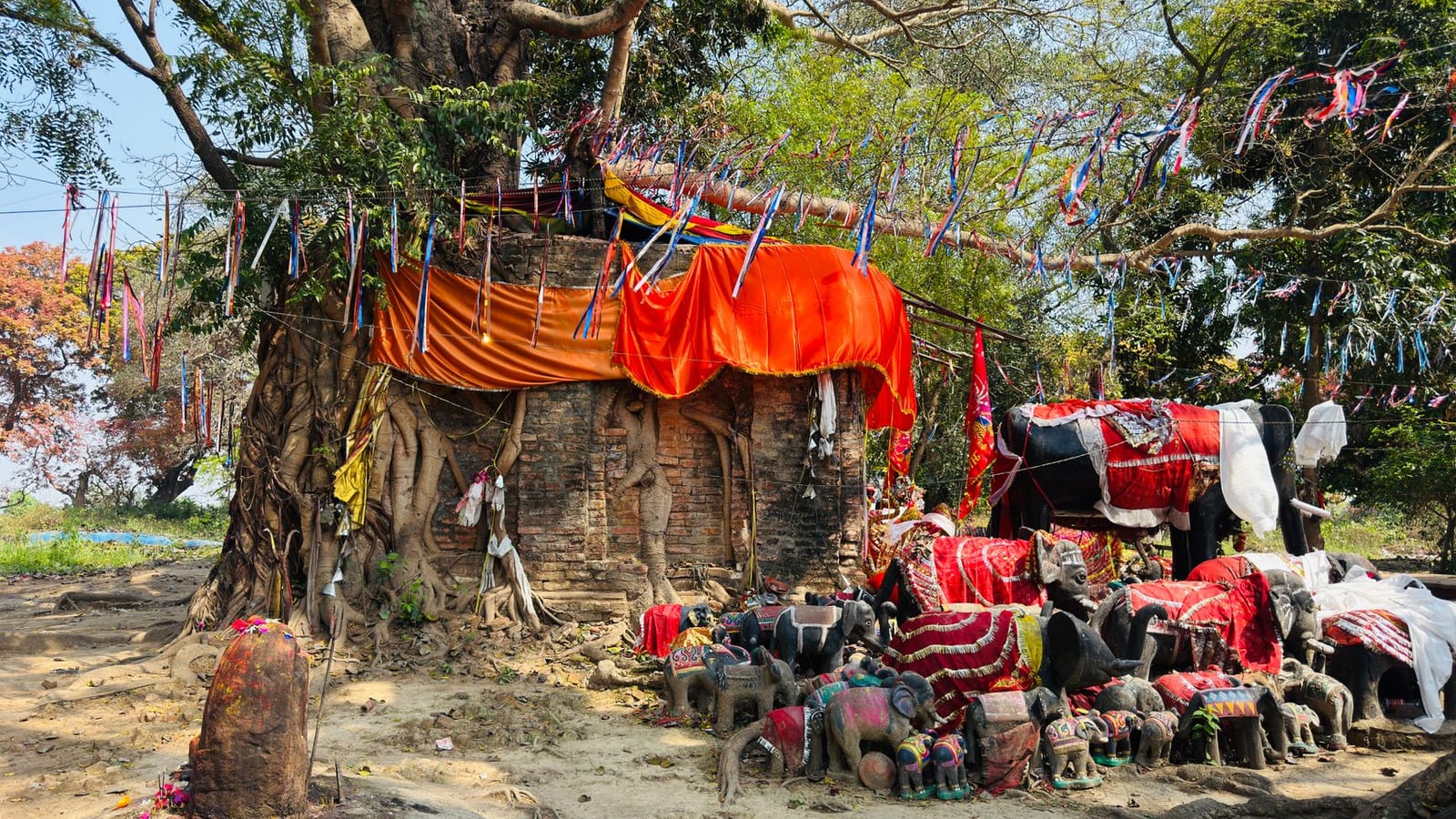
Vat Purnima has long belonged to courtyards, temple lanes, banyan trees, and family rituals. In 2026, it also belongs to status updates, reels, family groups, and carefully chosen Marathi messages sent before breakfast.
That small shift tells us something bigger about India’s festival economy. Faith has not moved away from tradition. It has simply found a second address online.
A festival moves onto phones
At the heart of Vat Purnima is a familiar story. Married women worship the banyan tree and pray for their husband’s long life. The ritual recalls Savitri and Satyavan, whose bond still shapes how many families understand devotion, marriage, and duty.
The source material focuses on Marathi wishes, quotes, and status messages for husbands, wives, relatives, and friends. That may sound simple. But anyone who has watched an Indian festival online knows this is now a serious content moment.
WhatsApp is often the first stop. Family groups fill with images, blessings, and short poems. Some messages carry old-world emotion. Others sound more romantic, meant for couples who want tradition with a personal touch.
Facebook and Instagram take it further. A festival that once stayed within homes now becomes a public signal. People post couple photos, ritual clips, saree looks, and festive captions. The private blessing becomes a social performance.
Tradition meets the creator economy
This is where the business angle quietly enters the room.
Festival content is no longer only about sentiment. It drives traffic, search interest, social sharing, ad views, and creator engagement. Digital publishers prepare greeting collections because people actively search for them.
For a Marathi reader, a good Vat Purnima message is not just a line of text. It saves time. It helps them say something warm without sounding clumsy. That utility creates clicks, and clicks support the digital media business.
The same logic works across Indian languages. Every festival creates demand for wishes, images, captions, shayari, videos, and short explainers. Publishers package them because they know readers want quick, emotional, shareable content.
Small creators also benefit. A designer making festive templates, a local boutique posting Vat Purnima saree reels, or a home business selling puja items can use the same online attention. Culture becomes commerce, often without looking like commerce.
Marathi audiences remain valuable
The Marathi focus matters. India’s internet growth has moved far beyond English-speaking metro users. Regional language readers now shape the everyday web.
A person in Pune, Nashik, Kolhapur, Nagpur, or a smaller Maharashtra town may not search for a polished English caption. They want a greeting that sounds like home. That is why Marathi festival content keeps pulling readers.
For digital media companies, this is not soft content. It is audience behaviour. Festival pages bring casual readers who may return later for lifestyle, entertainment, business, or local news.
There is also an emotional trust factor. A greeting in one’s own language feels warmer. It carries family memory. It sounds closer to how people actually speak at home.
That is why regional content often travels better inside family groups. English may carry status in offices. Marathi carries affection at the dining table.
Brands follow festive attention
Brands understand this pattern well. Wherever users gather, marketing follows.
Around festivals like Vat Purnima, jewellery shops, saree stores, sweet sellers, beauty salons, gift platforms, and local retailers get a natural hook. They do not need to explain why the day matters. The audience already knows.
A small business can post a simple festive wish and stay visible. A local salon can promote bridal-style draping or mehendi. A saree seller can show Paithani-inspired looks. A gift shop can push couple hampers.
The spends may be small, but the opportunity is real. India’s festive economy does not run only on Diwali and weddings. It also runs on hundreds of local moments that bring communities together.
For platforms, these moments increase engagement. More posts mean more time spent. More sharing means more data signals. More attention means more advertising value.
That is the quiet bargain behind the cheerful greeting. The user sends love. The platform captures activity.
The changing language of marriage
Vat Purnima also shows how social language around marriage is changing.
Older wishes often speak of long life, loyalty, and seven births together. Newer messages add companionship, shared joy, and emotional closeness. The ritual remains traditional, but the tone has become more mutual.
The source mentions greetings for both wives and husbands. That detail is small but telling. Earlier, the public language of such festivals largely centred on women praying for husbands. Now couples increasingly exchange messages with each other.
This does not erase the gendered nature of the ritual. Many women still carry the responsibility of observing it. They prepare, dress up, visit the banyan tree, and perform the puja.
But online culture has opened space for husbands to respond too. A thoughtful message from a husband may not change the structure of the ritual. Still, it can soften the emotional load within a relationship.
That is how traditions evolve in India. Rarely by dramatic announcement. More often through small gestures, one household at a time.
For ordinary readers, Vat Purnima 2026 is not only about forwarding the perfect message. It is a reminder that India’s old festivals now live in two worlds at once. One is rooted in faith, family, and memory. The other runs through screens, platforms, and small businesses. The interesting part is that most Indians do not see a conflict. They will tie the thread around the banyan tree, take the photo, send the message, and move on with the day. That is modern India, not replacing tradition, but adding a notification sound to it.