Gold and silver slide squeezes Indian bullion bets
Gold and silver prices fell sharply in June as a stronger dollar and hawkish Fed outlook pushed investors out of bullion positions.
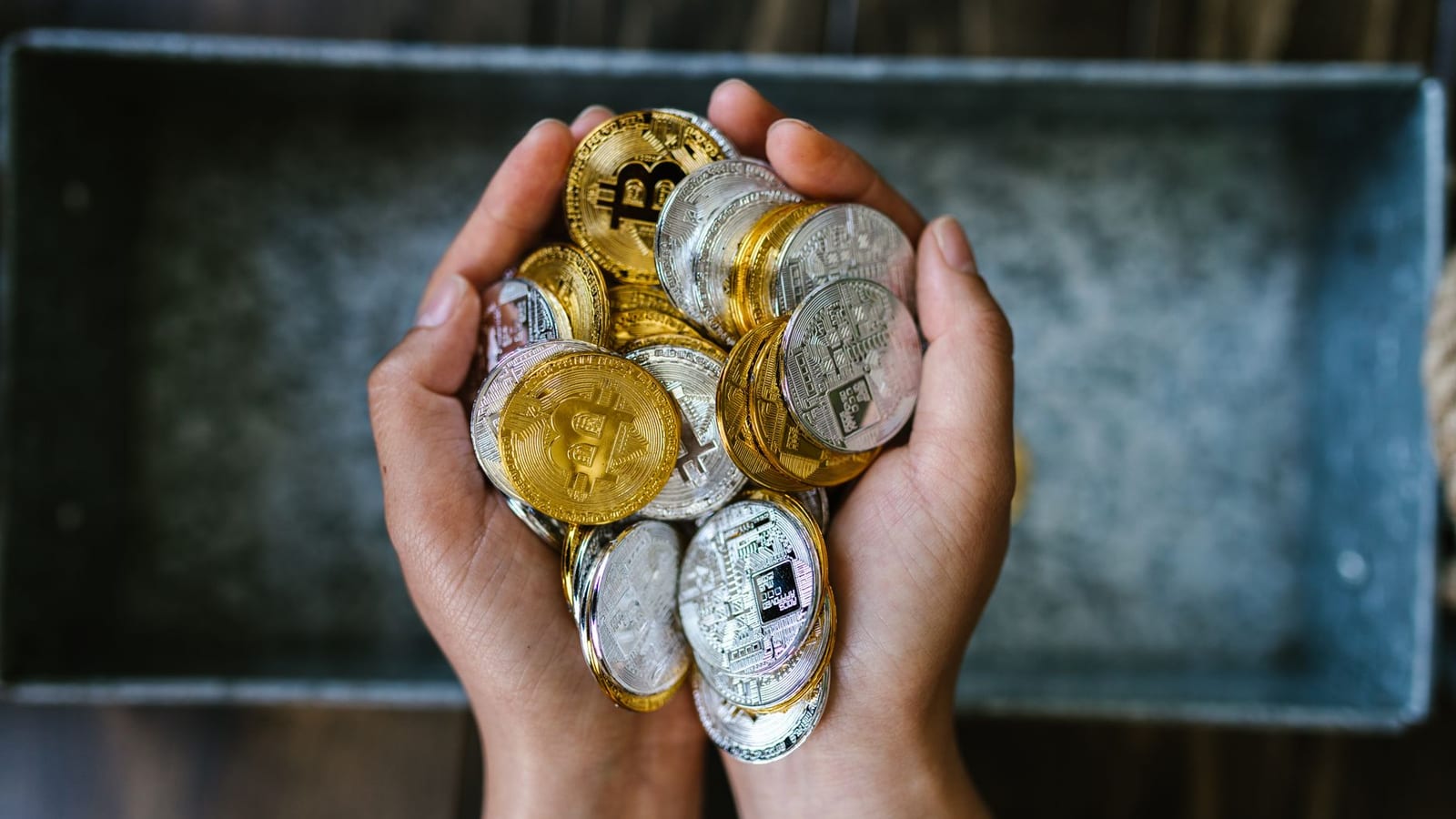
A ₹5 lakh gold position would have lost about ₹65,000 this month if it tracked the global fall.
That is the kind of number families understand faster than any chart. Gold has slipped 13 percent in June, while silver has fallen even harder. For many Indian households, this is not just market noise. It touches wedding budgets, jewellery purchases, small traders, and investors who thought bullion only moved one way.
The sharp fall came after Comex gold dropped below $4,000 an ounce, hitting $3,980. Silver slipped to $58 an ounce. In India, the pressure showed up quickly on the MCX, where gold futures fell to an intraday low of ₹1,40,928 per 10 grams.
Gold loses its safe-haven shine
Gold usually gains when investors feel nervous. That old rule has not worked this month.
The reason is simple. The US dollar has strengthened, and markets now expect the US central bank to keep money tight. When the dollar rises, gold becomes costlier for buyers using other currencies.
That hurts demand. It also makes traders rethink their old gold bets.
Gold pays no interest. A bank deposit or US government bond does. So when interest rates look set to stay high, some investors sell gold and move to assets that give a return.
This is why the Federal Reserve matters so much to a family buying jewellery in Rajkot or Coimbatore. A policy signal in Washington can move prices in Mumbai within hours.
The source of the latest shock was a hawkish tone from Fed Chair Kevin Warsh at his first rate-setting meeting. Hawkish means the central bank sounds more worried about inflation than growth. In plain English, it may keep rates high or raise them further.
That helped push the dollar index to its highest level in more than a year. For gold, that was bad timing.
Silver falls harder than gold
Silver’s fall has been even more brutal.
Global silver futures dropped by $4 to $58 an ounce. In India, near-month silver futures fell ₹8,834 per kilogram to ₹2,17,000 during the day.
That is a large cut for jewellers, silverware traders, and investors who entered near the highs. Silver has now lost 17.6 percent in June alone.
The fall looks worse when compared with its record high. From ₹4,57,328 per kilogram, silver has dropped by nearly ₹2.40 lakh. That is about 52 percent down.
Silver often behaves like gold during fear, but it also has an industrial side. Factories use it in electronics, solar panels, and other products. So silver reacts both to investment mood and growth worries.
When investors dump metals and cut risky positions, silver usually swings more sharply. That is exactly what has happened now.
The fall has wiped out May’s gains. For anyone who bought silver after watching the rally, the reversal has been swift and painful.
Indian prices follow global selling
Indian bullion prices do not move in isolation.
They track global rates, the rupee-dollar exchange rate, import duties, and local demand. When global gold falls sharply, Indian futures usually react fast.
On Wednesday, MCX gold fell ₹5,601 per 10 grams at one point. It later recovered part of the loss, but still traded lower by about ₹3,300.
For a small investor holding ₹5 lakh worth of gold, a 13 percent monthly fall means a paper loss near ₹65,000. For silver, the hit is larger. A 17.6 percent fall on ₹5 lakh means around ₹88,000 gone in one month.
Of course, these are market-linked estimates. Jewellery has making charges, taxes, and local premiums. But the broad pain is real.
For families planning a wedding, falling gold can feel like relief. For those who bought recently as an investment, it feels very different.
This is the strange thing about gold in India. The same price fall can cheer a buyer and hurt a saver.
Banks trim gold forecasts
Large global banks have also started cutting their gold price expectations.
Goldman Sachs reduced its spot gold forecast by $500 and now expects bullion to end the year at $4,900 an ounce. Deutsche Bank cut its fourth-quarter estimate by 17 percent.
That does not mean gold has no buyers left. Central banks continue to buy bullion. Monetary authorities added gold at the fastest pace in more than a year during the first quarter.
That matters because central banks buy for long-term safety, not quick profit. They often want to reduce dependence on the dollar or diversify reserves.
Still, central-bank buying cannot always stop short-term selling by funds, traders, and retail investors.
Kotak Securities said precious metals remained under pressure because of a stronger dollar, higher real yields, and broad selling by investors. Real yields mean returns after adjusting for inflation. When those rise, gold looks less attractive.
The brokerage also said investors cut bullion exposure to cover losses from a technology-led equity selloff. That is market-speak for a familiar problem. When one part of a portfolio hurts, investors often sell whatever they can.
Gold, despite its safe image, then becomes a source of cash.
What investors should watch now
The next move depends on three things.
First, watch the dollar. If the dollar stays strong, gold and silver may struggle. A weaker dollar could give metals some breathing space.
Second, watch US interest-rate signals. If the Fed sounds more aggressive, bullion could face more selling. If inflation cools and rate fears ease, gold may recover some lost ground.
Third, watch Indian demand. Lower prices often bring jewellery buyers back, especially ahead of festivals and weddings. But investors may wait if they feel the fall has not ended.
This is where retail investors need discipline. Gold can protect wealth over long periods, but it can still fall sharply in months like this. Silver can rise fast, but it can also punish late buyers.
For Indian households, the lesson is old but useful. Do not buy gold only because prices are rising. Do not sell in panic only because prices are falling. Match the purchase to the purpose.
If it is jewellery for use, lower prices may help. If it is investment, allocation matters. Gold should be part of a portfolio, not the whole plan.
The current fall has reminded markets that even safe assets have rough days. For ordinary readers, the real question is not whether gold has lost its charm forever. It is whether they can separate emotion from price, and need from speculation.