Indian households cash out 50 tonnes of old gold
Indian families sold 50 tonnes of old gold in three months as high prices and fear of further declines pushed jewellery from lockers to market.
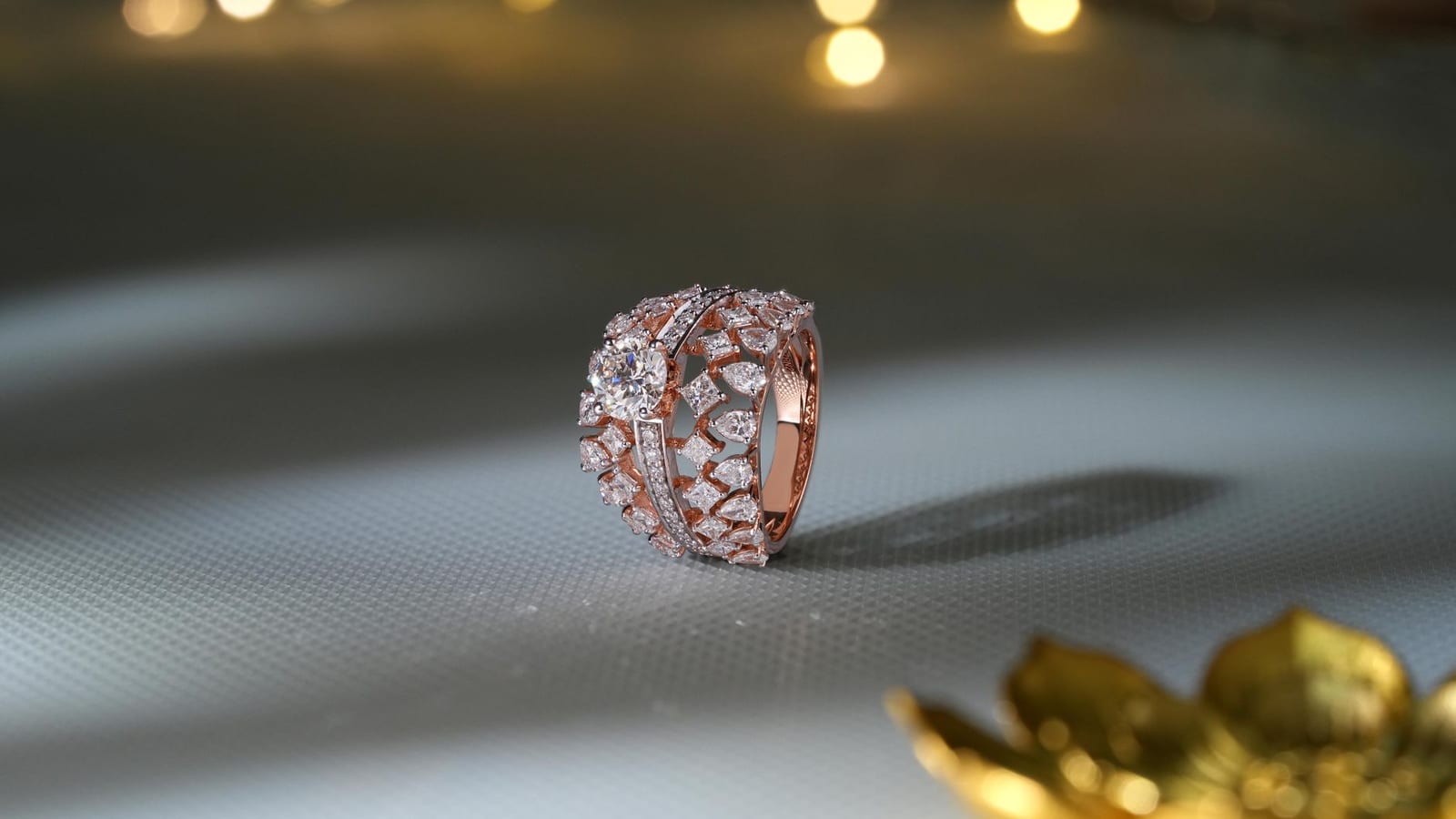
Fifty tonnes of old gold has come out of Indian homes in just three months. That is not a small family clean-up. It is a quiet cash-out.
In Kerala, where gold is still both emotion and emergency fund, families are selling jewellery before prices fall further. The fear is simple. If gold has already slipped from its peak, why wait and watch profit melt?
For many households, this is not panic. It is calculation. The wedding necklace in the locker now looks like a high-return asset.
Families rush to lock gains
The Bullion and Jewellers Association said families sold 50,000 kg of gold in the April to June quarter. That is 50 tonnes, up 43 percent from a year earlier.
To make that number real, one pavan is 8 grams. So 50 tonnes equals about 62.5 lakh pavans of gold. That is a staggering amount of household wealth moving from lockers to the market.
Gold had touched a record level of around Rs 1.20 lakh per pavan in the state. It now trades near Rs 1.05 lakh per pavan. That is still high by any normal yardstick.
But markets do not move on memory. They move on fear and opportunity. Families that bought gold years ago are sitting on large gains. Many now prefer cash in hand.
Earlier, people often exchanged old jewellery for new ornaments. This time, the pattern looks different. Buyers are selling old gold and keeping the money, or using it elsewhere.
That shift matters. It shows households no longer see gold only as jewellery. They are treating it like an investment with an exit price.
Why the mood changed
Gold has always carried two meanings in Indian homes. It is a symbol during weddings and festivals. It is also the asset families touch last during trouble.
But record prices have changed the conversation. A mother’s bangle, a chain bought for a daughter, or a coin gifted years ago now carries real market value.
When gold climbs too fast, families begin asking a very practical question. How much higher can it go before prices cool?
That question has triggered selling. People fear they may miss the best price if they wait too long. The fall from Rs 1.20 lakh to around Rs 1.05 lakh has sharpened that worry.
For a middle-class family, the difference is not abstract. Ten pavans sold near the peak could mean Rs 12 lakh. At current levels, it is closer to Rs 10.5 lakh.
That Rs 1.5 lakh gap can pay school fees, reduce a loan, or fund a small business need. In a tight household budget, timing suddenly matters.
This is why the gold counter has become part jewellery shop, part wealth desk. People are walking in with ornaments and walking out with liquidity.
Liquidity simply means usable money. Gold sitting in a locker feels secure. Cash in the bank feels useful when expenses arrive.
Young buyers look beyond gold
Another change is coming from younger consumers. Gen Z and millennials are showing more interest in diamond jewellery, market participants say.
That does not mean gold has lost its place. Far from it. Indian weddings will not suddenly abandon gold.
But younger buyers often want lighter, more design-led pieces. They also prefer jewellery that feels modern and easier to wear daily.
This has pushed some families to sell old gold and buy diamond pieces instead. The old ornament becomes funding for a new style choice.
There is a cultural shift hidden inside that trade. Earlier, gold moved across generations almost untouched. A family kept it, remade it, or passed it on.
Now some owners see old jewellery as trapped value. If the design feels dated, and prices are high, selling becomes easier to justify.
For jewellers, this creates both risk and opportunity. New gold purchases may soften if people prefer cash. But recycling and redesign demand can rise.
The smart players will not fight this shift. They will build stronger old-gold buying desks and transparent pricing. Customers will reward trust.
Recycling could ease imports
The bigger economy also has a stake in this household decision. India holds more than 30,000 tonnes of gold in private hands, by common industry estimates.
That is one of the largest household gold pools in the world. Much of it sits idle in lockers, cupboards, and bank vaults.
India also imports huge quantities of gold. In the previous financial year, the country imported gold worth $72.4 billion.
That is money flowing out of the country. When imports rise, they add pressure on the trade deficit. The trade deficit is the gap between what India imports and exports.
If India recycles more domestic gold, it can import less. That helps foreign exchange reserves and reduces pressure on the rupee.
The recycling numbers already point upward. Gold recycling stood around 125 to 150 tonnes in 2025. Market expectations now place 2026 recycling at 200 to 250 tonnes.
That jump would be meaningful. It will not end India’s import dependence overnight. But it can soften the blow when global prices rise.
Think of it like reusing steel, paper, or electronics, but with a far more valuable asset. Every gram of recycled gold reduces the need for a fresh imported gram.
For policymakers, this is an old dream. India has long wanted to unlock household gold without upsetting family sentiment. High prices may do what schemes struggled to do.
The real test now is trust. Families will sell only if pricing feels fair, purity checks look honest, and payments arrive quickly.
Gold is still India’s favourite safety net. But this quarter shows a new attitude. Families are no longer waiting silently while prices move. They are watching, comparing, and acting. If this continues, the humble jewellery box may become one of India’s most important financial markets.