Nasdaq Slips as Dow Gains Before Big Tech Results
The S&P 500 finished nearly flat, the Nasdaq edged lower and the Dow rose as investors waited for major technology earnings and AI demand signals.
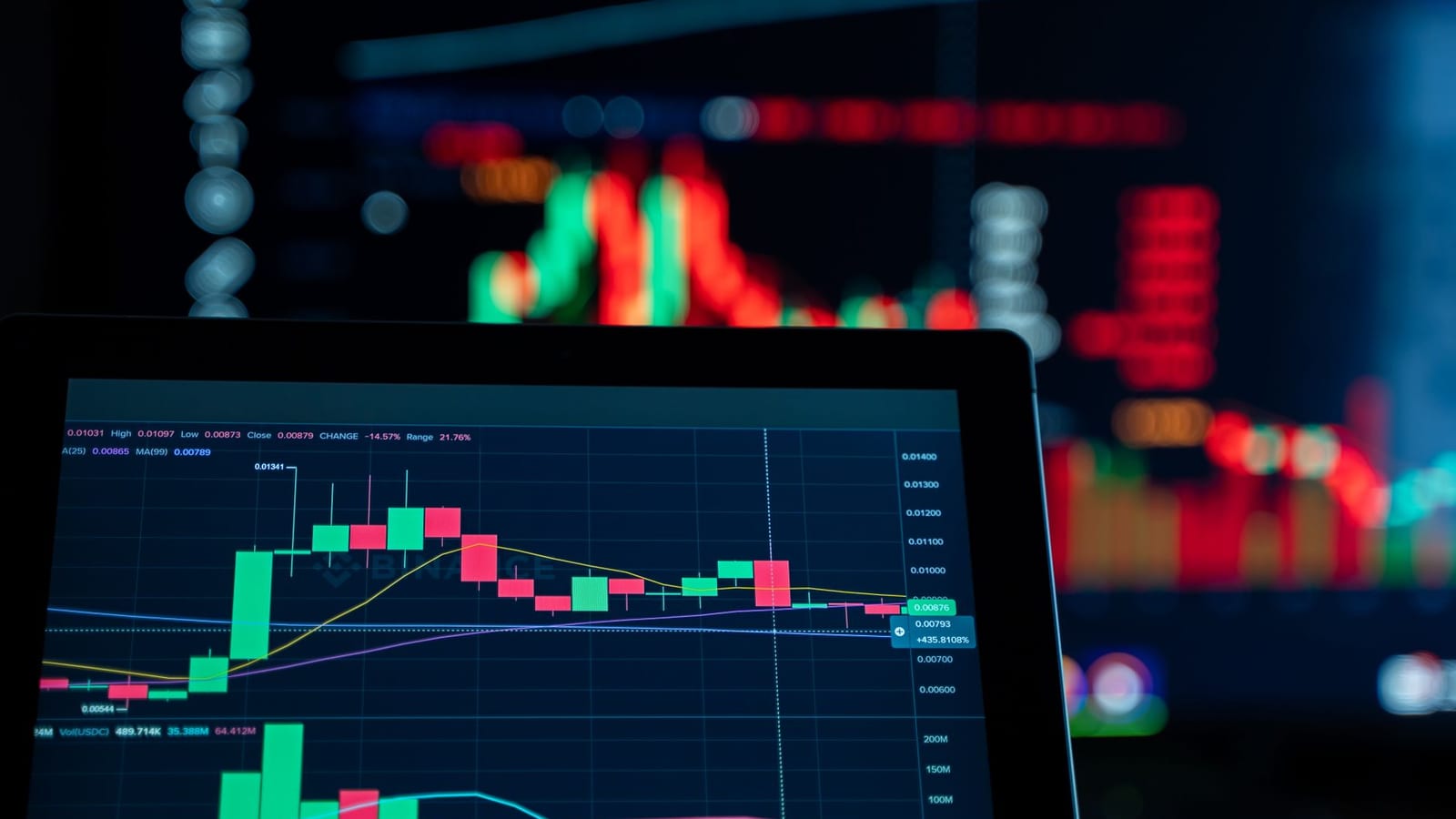
A ₹5 lakh bet on a Nasdaq-heavy global fund barely moved on Monday night, but the silence was deceptive. Under the surface, investors were asking a sharper question: has the AI trade begun to tire?
Wall Street did not crash. It did not cheer either. The market simply split into camps, with investors hiding in safer pockets while waiting for the biggest technology companies to show their cards.
For Indian investors, this matters more than it did five years ago. Global funds, US tech ETFs, and startup-linked portfolios have made Wall Street’s mood part of many Indian wealth plans.
Wall Street sends mixed signals
The S&P 500 ended almost flat, rising just 0.02 percent to 7,413.43 points on Monday, July 27. On a ₹5 lakh portfolio tracking the index, that move means only about ₹100 before costs and currency changes.
The Nasdaq Composite slipped 0.16 percent to 24,934.61. For someone holding ₹5 lakh in a Nasdaq-linked fund, that is roughly an ₹800 mark-to-market fall.
The Dow Jones Industrial Average did better, gaining 0.49 percent to 52,202.83. That would mean about ₹2,450 on a ₹5 lakh Dow-style portfolio.
The split tells the real story. Investors did not dump equities broadly. They trimmed exposure to expensive technology names and moved some money into steadier sectors like consumer staples and healthcare.
That is classic late-rally behaviour. When traders still want equities but fear froth, they rotate. They do not leave the party. They stand closer to the exit.
AI earnings face sharper scrutiny
This week belongs to Microsoft, Amazon, Meta, and Apple. Their quarterly results will decide whether the artificial intelligence rally still has fresh fuel.
Investors have loved AI-linked stocks for years because they promised a new growth cycle. But the bill for that growth has started to look heavy.
Last week, Tesla and Alphabet unnerved investors with results that showed large AI spending. The issue was not only whether these companies can build the future. It was whether profits will arrive fast enough.
That distinction matters. A company can spend billions on chips, data centres, and engineers. Shareholders still want to know when that spending becomes earnings.
Analysts expect S&P 500 companies to report a 39 percent jump in second-quarter earnings from last year, according to LSEG I/B/E/S. AI-linked companies account for a large part of that expected growth.
That creates pressure. When one theme carries too much of the market, even good news must be excellent. Anything less can look disappointing.
Chip stocks lose their shine
The PHLX chip index extended its recent fall on Monday. It now sits about 20 percent below its June 22 record close.
That sounds painful, but context matters. The index is still up about 63 percent in 2026. In simple terms, chip stocks have not collapsed. They have only given back part of a huge run.
For retail investors, this is where discipline matters. A 20 percent fall after a 63 percent rally can feel like danger. It can also be the market asking for proof.
China has added another layer to the story. Chinese chipmaker CXMT Corp made a strong market debut on Monday. Reports also pointed to China producing its own DUV chipmaking tools.
DUV tools help make semiconductors. They are not the most advanced machines, but they matter for mass chip production.
For US chip companies, this signals tougher competition. For India, it is a reminder that semiconductors are no longer just a tech story. They sit at the centre of trade, security, and industrial policy.
India wants a place in this chain too. But global chip cycles are brutal. Money rushes in when demand looks endless, then gets nervous when capacity, politics, and pricing collide.
Oil cools, but fear remains
Oil gave markets some relief on Monday. Brent crude fell 8 percent to about $89 a barrel after Washington paused air strikes against Iran.
US President Donald Trump said talks with Iran were going well. He also warned that strikes could resume if negotiations failed.
Last week, Brent had crossed $100 a barrel after fresh attacks on shipping in the Middle East. That jump worried traders because expensive oil feeds inflation.
For India, oil is never a distant problem. Higher crude can raise fuel costs, widen the import bill, and pressure the rupee.
A weaker rupee makes imports costlier. That can show up in fuel, fertilisers, electronics, and even some food items over time.
Oil companies Occidental Petroleum and Exxon Mobil slipped as crude prices fell. That is the other side of the trade. Lower oil helps consumers, but it can hurt energy producers.
The larger point is simple. Markets welcomed cheaper crude, but they did not trust the peace signal fully. One headline from West Asia can change the mood again.
Fed decision hangs over markets
The Federal Reserve will announce its rate decision on Wednesday, July 29. Traders see a 62 percent chance that rates stay unchanged, according to CME FedWatch.
They also see a 38 percent chance of a 25 basis point rate hike. One basis point is one-hundredth of a percentage point. So 25 basis points means a quarter percentage point.
That may sound small, but markets treat it seriously. Higher US rates make borrowing costlier and can pull money toward dollar assets.
For Indian investors, that can affect foreign flows into equities and bonds. It can also influence the rupee, especially when oil prices stay jumpy.
The Personal Consumption Expenditures Price Index for June comes on Thursday, July 30. The Fed watches this inflation measure closely.
If inflation stays sticky, investors may expect tighter policy for longer. If it cools, markets may breathe easier.
That is why Monday’s flat S&P 500 reading hides a nervous setup. Investors are waiting for both earnings and the Fed. Either one can reset the week.
The market’s message is not panic. It is caution. AI still looks powerful, but investors now want earnings, not slogans. Oil has cooled, but geopolitics can heat it again. And for Indians putting money into global funds, the lesson is familiar: overseas investing brings opportunity, but it also brings someone else’s central bank, currency, and war-risk into your monthly statement.