Nifty IT sinks to April 2023 low as tech shares slide
Nifty IT closed at 26,299 after falling 2.73%, extending its year-to-date slide as TCS, Infosys and LTIMindtree dragged the sector lower.
A sector that once felt like India’s safest wealth machine now looks like a hard lesson in patience.
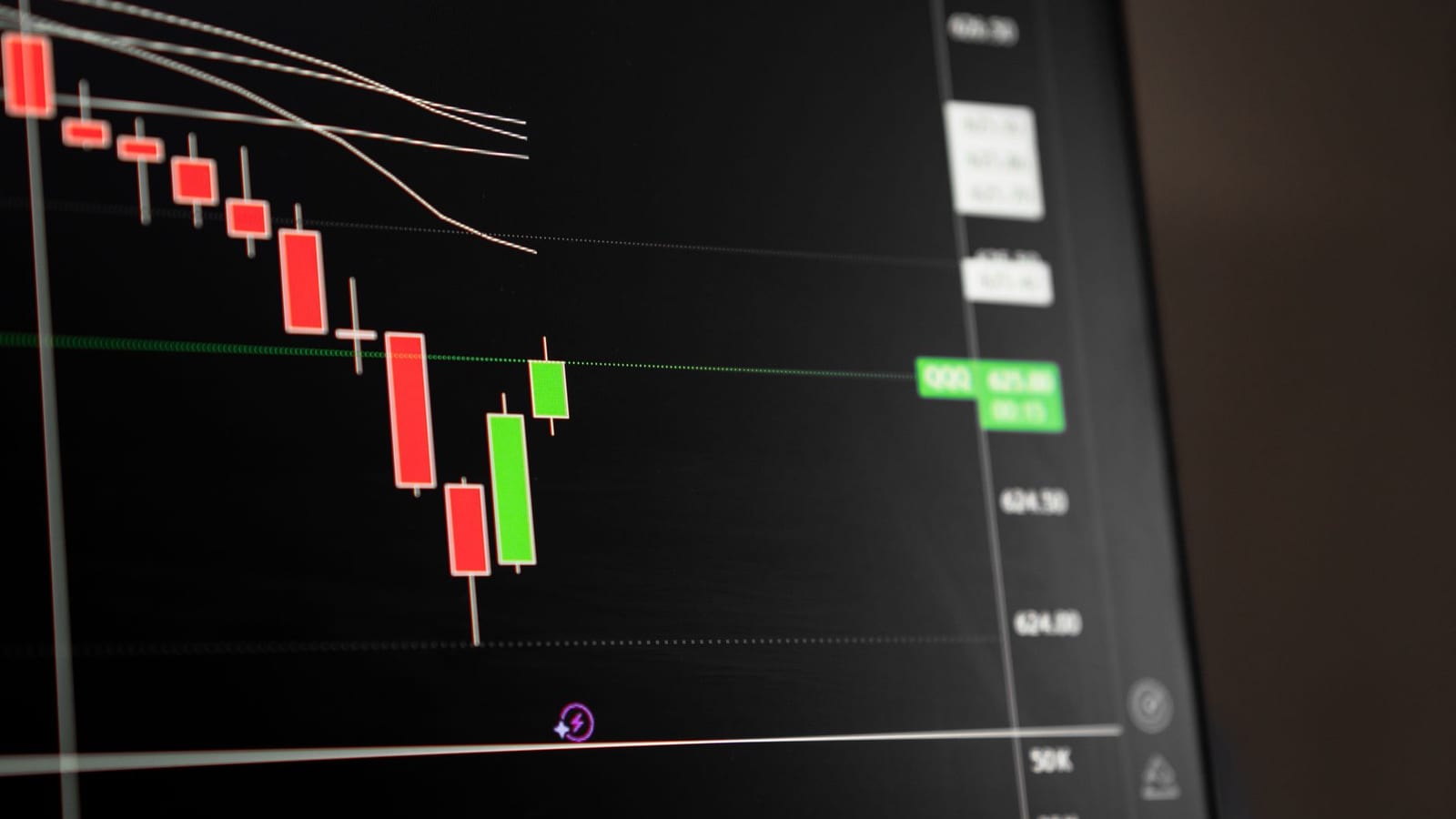
The Nifty IT index fell 2.73 percent on Tuesday, June 30, and closed at 26,299. During the day, it slipped to 26,208.50, its lowest level since April 2023. For a retail investor with ₹5 lakh spread across IT funds, this year’s 30 percent fall means a paper hit of roughly ₹1.5 lakh.
That is the uncomfortable part. This is not a tiny correction after a strong rally. From its December 13, 2024 peak of 46,089, the index has lost about 43 percent. The broader Nifty 50 is down 9 percent this year, which shows how badly technology shares have underperformed.
IT stocks lose their cushion
The fall on Tuesday was broad. Out of 10 stocks in the index, only Persistent Systems closed higher, up 0.65 percent.
The big names did the damage. TCS fell 3.17 percent, Infosys lost 3.50 percent, and LTIMindtree dropped around 4 percent. These are not small, speculative counters. These are companies many Indian households hold through mutual funds, pension money, or direct equity portfolios.
That is why the pain travels beyond trading screens. A young professional investing through a monthly SIP may not track every tick. But the NAV of an IT fund tells the story clearly. The sector that once balanced risk in a portfolio has itself become the risk.
The first half of calendar year 2026 has been especially rough. The IT pack is the worst sectoral performer so far this year. When a sector falls 30 percent in six months, the question changes. Investors stop asking how high it can go. They ask where the floor is.
Why clients are spending slowly
The simple reason is this: global clients are delaying technology spending.
Indian IT companies earn a large share of revenue from the US and Europe. When banks, retailers, manufacturers, and healthcare firms abroad feel unsure, they pause fresh projects. They still need maintenance and security work. But they cut back on optional upgrades.
That optional spending matters a lot. It covers cloud migration, digital transformation, consulting work, and new software projects. These jobs usually carry better margins and signal confidence. When clients go slow there, revenue growth starts looking tired.
The March quarter showed this mixed picture. Some companies won deals and saw interest in artificial intelligence, cloud, and cybersecurity. Yet management comments stayed cautious. They spoke about weak discretionary demand, slower decision-making, and client-specific project cuts.
This matters more than one quarter’s profit number. Investors now want to know whether order books are growing. They want proof that deals are converting into revenue. They also want guidance for FY27, not just commentary about demand returning one day.
AI is changing the old model
Artificial intelligence has added a second worry. This one is deeper than the usual slowdown.
For years, India’s IT services model rested on scale. More projects meant more people billed to clients. Better utilisation meant higher margins. That model is now facing pressure because AI tools can do some routine coding, testing, and support work faster.
Some analysts expect traditional IT services revenue to shrink by 2 to 3 percent a year over the next few years. That does not mean the sector disappears. It means the old billing machine may not work the same way.
Companies will have to prove they can earn from AI, not just talk about it. Clients may ask for productivity benefits to be passed back through lower pricing. In plain English, if AI helps a vendor do the same work with fewer people, the client may demand a cheaper contract.
Rahul Ghose, founder and CEO of Octanom Tech and Hedged.in, said markets will watch deal wins, order books, and FY27 guidance from TCS, Infosys, HCL Tech, and Wipro more closely than headline earnings.
His point is sharp. The market will reward companies that show real AI revenue. Those using AI as conference-call decoration may have to wait.
Is this a buying opportunity
After a 43 percent fall from the top, many investors will feel tempted. That is natural.
But cheap and buyable are not always the same thing. A stock can fall sharply and still need time before earnings catch up. In IT, that gap between price and profit visibility is the main issue.
Ghose said value buyers may return eventually. But he also warned that attractive entry points for many stocks could still sit 15 to 20 percent below current prices. That is a sobering view for anyone rushing in after the fall.
Ravi Singh, chief research officer at Master Capital Services, said the next few quarters may remain gradual rather than explosive. He pointed to clients taking longer to approve technology spending.
Singh still sees support over the medium term if global conditions improve and AI adoption rises. He said investors may prefer quality large-cap names such as TCS and Infosys, given their client relationships and order books.
Kunal Bajaj, research analyst at Choice Institutional Equities, said valuations have become more reasonable. He also said investors should focus on deal momentum, AI execution, and sensible pricing.
That is the practical takeaway. This is not a simple “buy the sector” moment. It is a stock-picker’s market.
What investors should watch
The next clues will not come only from Indian IT results.
Accenture’s quarterly numbers matter because the company gives a useful read on global tech demand. If Accenture sounds cautious, Indian IT usually feels the chill. If it sees stronger bookings, the mood can shift quickly.
Investors should also watch management commentary. Not the polished AI lines. The useful parts are harder numbers: how much revenue comes from AI work, whether margins hold, and whether clients are signing larger deals.
Order wins will matter. So will hiring trends. If companies keep headcount tight, it may signal weak demand or better productivity. Investors must separate both signals carefully.
For mutual fund investors, the answer is different from direct stock buyers. If IT is only one part of a diversified fund, panic makes little sense. But if someone has a heavy sector bet, this fall is a reminder that past winners can stay weak longer than expected.
The Indian IT story is not over. But it has moved from easy growth to difficult reinvention. For ordinary investors, the smarter move may be patience, not heroics. The winners from here will be firms that turn AI into revenue, protect margins, and show clients are spending again. Until then, the sector deserves attention, but not blind faith.