Oil Drop Eases India Inflation Fears After Iran Talks
Brent's 9 percent fall may ease India's import bill and inflation pressure, though fresh Middle East drone attacks keep oil risk alive.
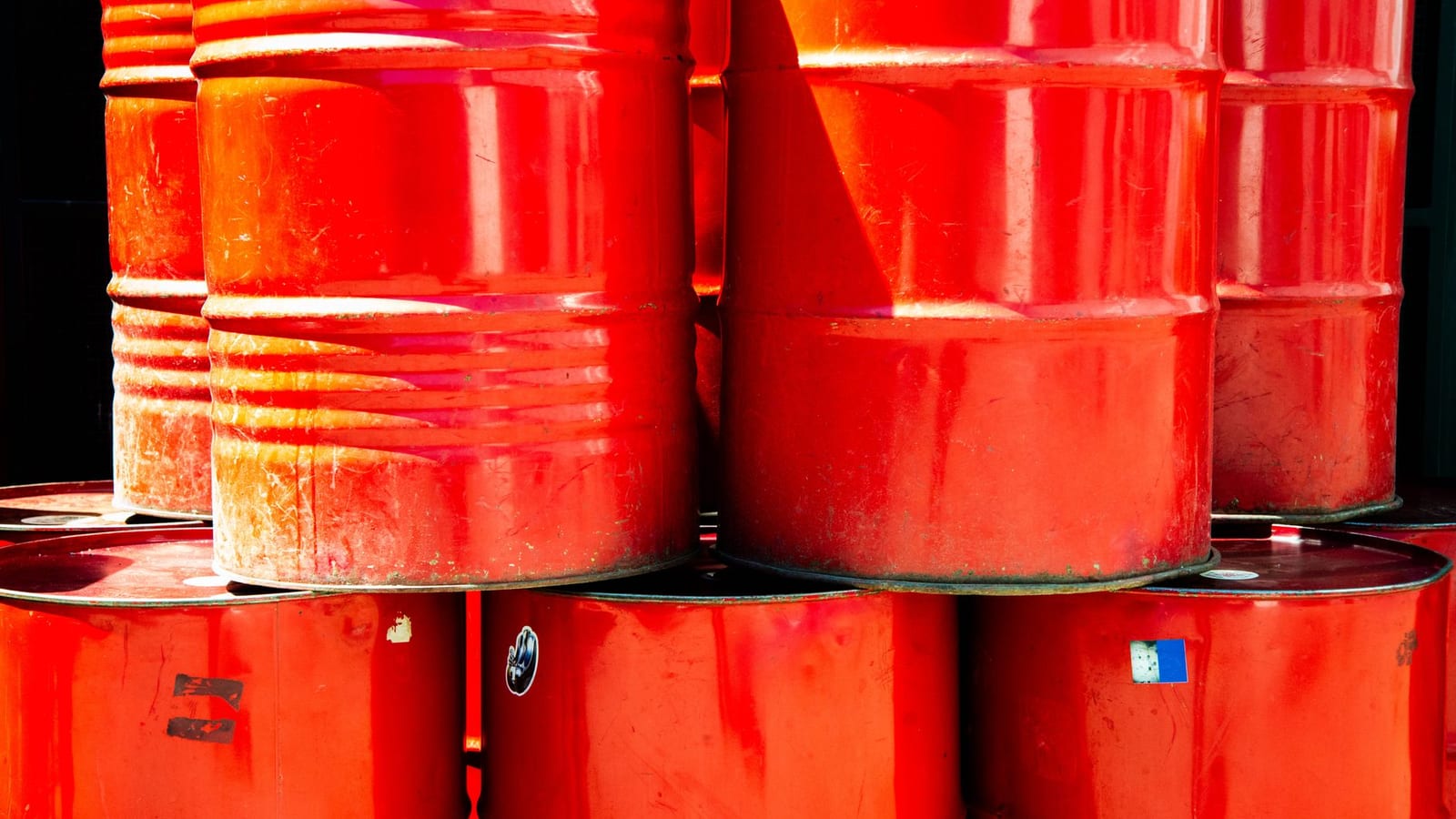
Brent crude fell almost 9 percent in one day, and that is not just a trader’s headache.
For India, every sharp move in oil travels fast. It can touch petrol bills, airline fares, company margins, the rupee, and eventually, the mood on Dalal Street.
The latest swing came after Donald Trump said the United States was holding “good talks” with Iran. Markets heard one thing clearly: maybe oil supply will not get worse.
Oil slide cools inflation nerves
Brent crude dropped to $88.17 a barrel, down 8.9 percent for the day. U.S. crude fell 7.71 percent to $82.42 a barrel.
That is a big move. Brent had touched $102 last week, when fresh strikes in the Iran conflict had scared energy markets.
For India, cheaper crude brings immediate relief on paper. We import most of our oil, so lower prices reduce pressure on the trade bill.
Put simply, India spends fewer dollars buying oil when prices fall. That can support the rupee and reduce imported inflation.
But markets are not celebrating blindly. Saudi Arabia, Jordan and Iraq reported drone attacks on Monday. So traders still see the region as tense.
Trump also warned that U.S. strikes could restart if talks fail. That means oil may stay jumpy, even after Monday’s fall.
Treasury yields retreat after spike
The US Treasury 10-year yield fell 3.2 basis points to 4.647 percent. One basis point is one-hundredth of a percentage point.
This may sound tiny. In bond markets, it matters.
The 10-year yield works like a global interest rate signal. When it rises, money often moves away from riskier markets.
That includes emerging markets like India. Foreign investors may demand better returns, or simply park money in dollar assets.
The 30-year U.S. bond yield also fell, down 3.3 basis points to 5.129 percent. The two-year yield slipped to 4.32 percent.
The two-year bond usually tracks expectations for U.S. interest rates. So its small fall showed some caution after the oil crash.
Yet the larger monthly picture still looks tight. The 10-year yield remains up about 23 basis points in July.
That is its sharpest monthly rise since March, when the Iran war began. Monday gave relief, not a full reset.
Fed decision keeps markets nervous
The next big test comes from the Federal Reserve on Wednesday. Traders now see a 37.9 percent chance of a rate hike.
A week earlier, that probability stood at 16 percent, according to CME FedWatch.
That jump tells you how quickly oil can change the interest-rate conversation. Costlier oil feeds inflation fears. Inflation makes rate cuts harder.
Markets also price an 80.8 percent chance of a hike by September. That is a serious signal.
For Indian borrowers, the Fed’s decision can feel distant. But it matters more than people think.
Higher U.S. rates can strengthen the dollar. A stronger dollar can weaken the rupee. That can make imports costlier.
For companies, it can raise overseas borrowing costs. For investors, it can pull foreign money out of equities.
For households, the effect comes later, through fuel, imported goods, and market-linked savings.
The yield gap between two-year and 10-year Treasury notes stood at a positive 32.5 basis points. Traders watch this gap for growth signals.
A positive gap often suggests the market still expects some growth. But it does not remove recession fears.
This is why investors look tense. Oil is falling, but the Fed may still sound strict.
Auctions show mixed demand
The U.S. Treasury sold $69 billion of two-year notes, and demand looked steady. Buyers bid 2.66 times the amount on sale.
That was slightly above the recent average of 2.63. In plain English, investors still wanted short-term U.S. government debt.
The five-year auction told a softer story. The Treasury sold $70 billion, but demand came in at 2.28 times.
That was below the recent average of 2.33. It showed buyers were more careful with medium-term bonds.
Another $44 billion of seven-year notes will come on Tuesday. That will test how much debt investors can absorb.
This matters because America keeps issuing large amounts of debt. When supply rises, yields can stay high unless demand remains strong.
For global markets, high U.S. yields act like gravity. They pull capital toward the dollar and away from risk.
Indian equity investors should watch this closely. A ₹5 lakh portfolio does not move only because of company results.
It also moves because global money changes direction. When U.S. yields rise, foreign investors often become less generous.
Inflation signals ease, but slowly
The five-year inflation breakeven rate fell to 2.202 percent. It had closed at 2.251 percent on July 24.
This measure comes from inflation-protected U.S. bonds. It shows what investors expect inflation to average.
The 10-year breakeven stood at 2.212 percent. That suggests markets expect inflation near 2.2 percent over ten years.
That is not alarming by itself. But oil can change these expectations quickly.
A drop in crude helps central banks breathe. It lowers pressure on transport, plastics, chemicals, and airlines.
For India, lower crude can help paint companies, tyre makers, refiners, logistics firms, and airlines. It may hurt oil producers.
Consumers may not see cheaper petrol overnight. Taxes, inventory costs, and government pricing choices slow the pass-through.
Still, lower crude gives policymakers room. It can soften the blow on monthly budgets if it lasts.
The key phrase is “if it lasts”. One peaceful headline can cool oil. One drone strike can heat it again.
For ordinary Indians, the message is simple. Watch oil and the Fed together, not separately. Cheaper crude can help India, but only if global rates stop climbing. Until then, markets will treat every peace signal, every bond auction, and every Fed sentence like it could move your wallet.