Pristine Logistics starts Sebi review for IPO plan
Pristine Logistics has filed IPO papers confidentially with Sebi, giving the GIP-backed logistics firm flexibility on timing and valuation.
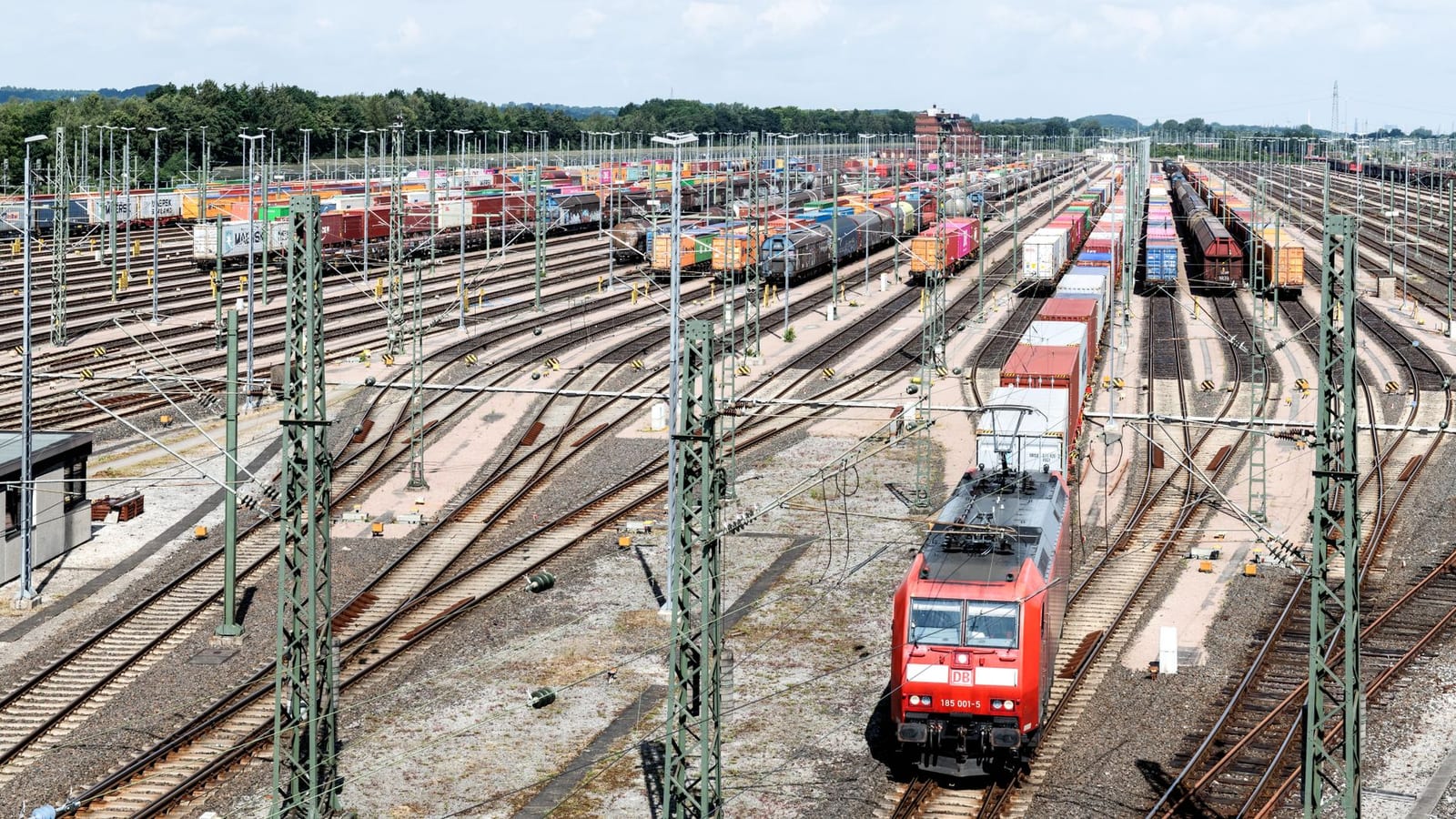
A goods train tells you more about India’s economy than many glossy investor decks.
Pristine Logistics has quietly moved towards a stock market listing, and that matters beyond one company’s IPO plan. It sits inside a much bigger story: India is spending heavily on roads, rail, ports and logistics, while global investors look for ways to cash out.
The New Delhi-based logistics company has filed its draft IPO papers with the Securities and Exchange Board of India through the confidential pre-filing route. That means investors will not see the full offer document yet, but the listing machine has started moving.
Pristine takes the quieter IPO road
Pristine’s route is called pre-filing. In plain English, it lets a company submit IPO papers to Sebi without immediately making every detail public.
This helps companies test the regulatory waters before opening the full file. It also gives them more room to adjust timing, valuation and issue structure.
For a business like Pristine, that flexibility matters. Logistics companies depend on cargo volumes, railway movement, industrial demand and export-import traffic. All four can shift quickly.
The company has appointed Axis Capital, CLSA India and SBI Capital Markets to manage the offer. These banks will help shape the issue, speak to investors and price the shares.
Pristine had tried this road before. It filed IPO papers in May 2022, then stepped back. That was a very different market. Investors had turned picky after a hot IPO cycle cooled sharply.
This time, the setting looks more favourable. India’s infrastructure story has become one of the market’s favourite themes.
GIP looks for an exit
Global Infrastructure Partners, or GIP, owns 57 percent of Pristine. It became the main investor after taking over IDFC Alternatives’ infrastructure business in 2018.
GIP has held the asset for years. A listing gives it a possible exit route, either immediately or over time. That is how infrastructure funds work. They build or buy assets, scale them, then return money to investors.
The timing also reflects a wider shift. GIP, now owned by BlackRock, has been weighing listings for Indian portfolio companies. Pristine and telecom tower firm Ascend Telecom have both been seen as possible candidates.
Pristine’s valuation has earlier been discussed around ₹5,000 crore, or roughly $500 million. A proposed stake sale to A.P. Moller Capital was also explored earlier, with a similar enterprise value.
For retail investors, valuation will be the real question. A good business can still become a poor investment if bought too expensively.
That is worth remembering in IPO seasons. The first-day pop feels exciting, but long-term returns usually depend on cash flows, debt, margins and pricing power.
Why logistics is drawing capital
India has made infrastructure the centrepiece of its growth plan. The government’s capital expenditure budget for 2026-27 stands at a record ₹12.2 trillion.
That number sounds huge because it is huge. It means public money is pouring into physical assets that move goods, people and power.
For logistics companies, this can create a tailwind. Better rail links and terminals can cut delays. Faster freight movement can help factories, exporters and traders.
A kirana distributor in a tier-2 city may never track an IPO filing. But cheaper and faster logistics can decide whether stock arrives on time, and at what cost.
India’s logistics cost has long been seen as too high. Every extra delay at a terminal or highway checkpoint finally lands somewhere. Often, it lands in prices paid by consumers.
Pristine runs a rail-focused multimodal logistics platform. That means it moves cargo by rail, while using road transport for the first and last stretch.
This model matters in a country where long-distance trucking can be expensive. Rail can move bulk and containers more efficiently over long routes.
The company handles both containerised and non-containerised cargo. Containerised cargo usually moves in standard boxes. Non-containerised cargo includes bulk goods that do not fit that format.
The numbers need careful reading
Pristine’s FY25 numbers tell a mixed story. Revenue slipped 3 percent year-on-year to ₹1,426 crore. Profit rose 11 percent to about ₹19 crore.
That means the company made more profit even as sales fell slightly. Investors will want to know whether that came from better operations, cost control, or one-off factors.
A ₹19 crore profit on ₹1,426 crore revenue is still a thin margin. In simple terms, the business keeps a small slice from every ₹100 it earns.
That is not unusual in logistics. These businesses often need land, terminals, equipment, working capital and steady cargo volumes. Scale matters a lot.
Between FY23 and FY25, Pristine expanded its terminal network from eight to 12. That is a clear growth signal.
Its containerised cargo volumes rose from 402,000 TEUs to 506,000 TEUs. A TEU is the standard measure for a 20-foot shipping container.
Its non-containerised cargo volumes climbed from 1.92 million tonnes to 2.51 million tonnes. So, the operating engine is carrying more load.
The company also bought Sical Logistics in 2023 through an insolvency process. Sical was earlier linked to the Cafe Coffee Day Group.
That acquisition gave Pristine a listed company connection. It also added complexity, because turnaround assets need management focus and patient capital.
What investors should watch
An IPO from Pristine will test how strongly public markets believe India’s logistics story. The theme is attractive, but investors should not buy only the theme.
They should watch the final offer size, fresh issue component and offer-for-sale portion. A fresh issue brings money into the company. An offer-for-sale lets existing investors sell shares.
If the IPO mainly helps GIP sell, investors must ask what growth money Pristine will receive. If the company raises fresh capital, they must ask how it will use it.
Debt will also matter. Logistics assets can carry heavy borrowing because terminals and infrastructure need upfront spending.
The other big question is cargo stickiness. Investors should look at whether Pristine has long-term customers, diversified routes and stable contracts.
Government capex can create the highway. It does not guarantee every truck, train or container will choose your terminal.
That is where execution enters. Land availability, rail connectivity, turnaround time and customer service decide who wins.
The market has seen many infrastructure-linked stories before. Some delivered steady compounding. Others struggled because debt grew faster than earnings.
For ordinary investors, the sensible approach is simple. Read the draft papers when they become public. Compare Pristine with listed logistics peers. Check margins, debt, cash flow and valuation.
India needs better logistics. Companies like Pristine could sit right in that opportunity. But the IPO will still need old-fashioned scrutiny. A country can build faster freight corridors, yet shareholders make money only when a company turns movement into durable profit.