VMS TMT gains as board clears Aditya Ultra Steel merger
VMS TMT shares gained after its board approved a share-swap merger with Aditya Ultra Steel, bringing two Gujarat steel businesses under one listing.
A stock below Rs 50 can look harmless on a phone screen. Then it moves by one rupee, and a small investor suddenly pays attention.
VMS TMT saw its share price edge higher after its board cleared a merger plan with Aditya Ultra Steel. The deal aims to fold two Gujarat steel businesses into one listed company.
For someone holding 1,000 shares, even a Re 1 move changes the portfolio value by Rs 1,000. That is why low-priced small-cap stocks often draw quick retail interest.
What the merger plan says
The company told exchanges that Aditya Ultra Steel will merge with VMS TMT, subject to legal and regulatory clearances. In plain English, this is not done yet.
Shareholders of Aditya Ultra Steel will get 75 VMS TMT shares for every 100 shares they hold. This is called a share-swap ratio. Instead of cash, investors receive shares in the merged company.
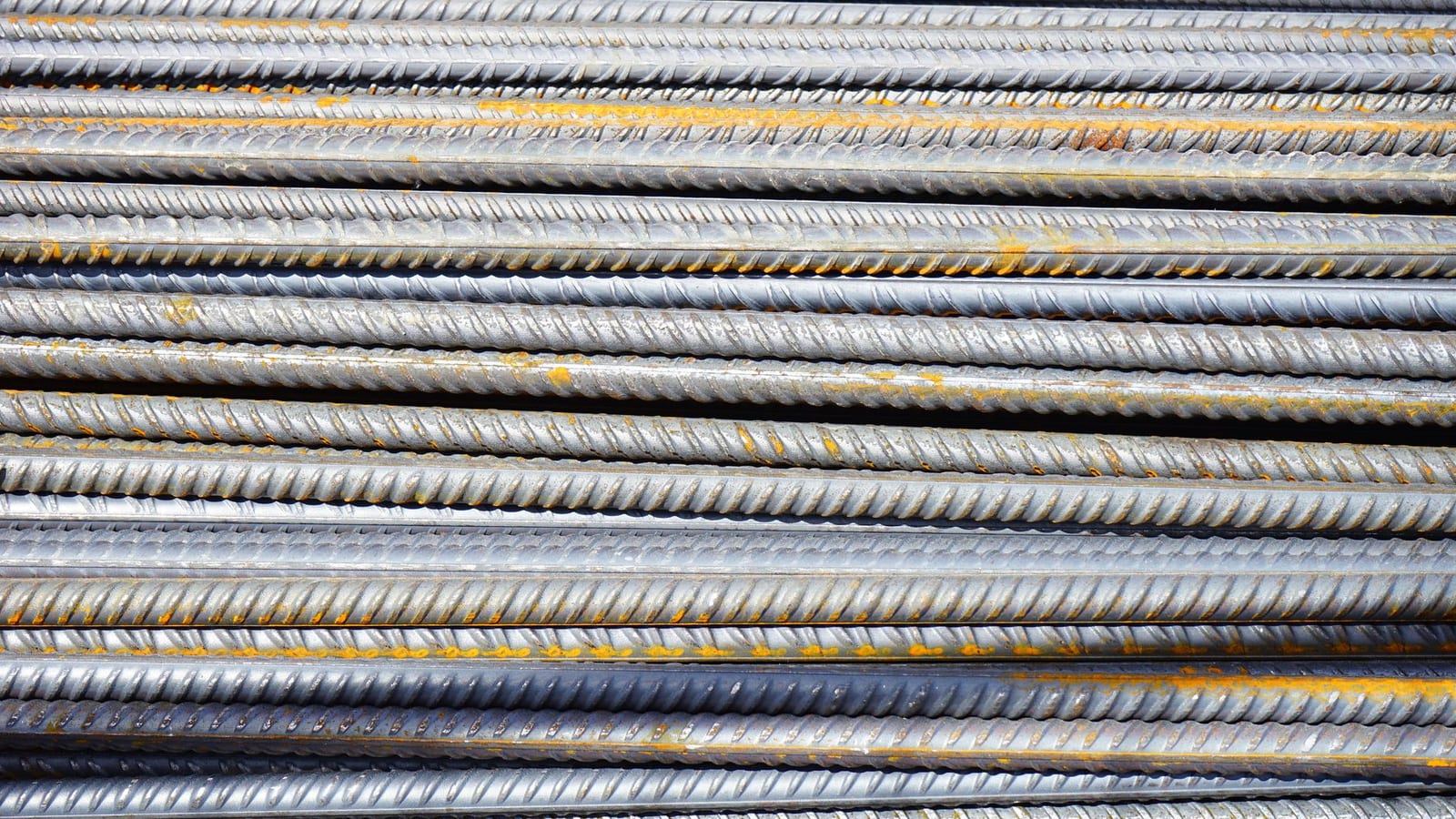
Both companies make TMT bars under the Kamdhenu brand ecosystem in different parts of Gujarat. TMT bars are the steel rods used inside concrete. They sit quietly inside homes, bridges, shops and flyovers.
VMS TMT said the merger should create a larger steel company with better production strength. It also expects a wider sales network and improved operating efficiency.
That sounds neat on paper. The real test will be execution, approvals, costs and demand from construction markets.
Why investors reacted quickly
VMS TMT opened at Rs 43.60 on the BSE. It touched Rs 44 during the session and slipped to Rs 43.50 at the low.
That is not a wild move in rupee terms. But percentage moves matter in stocks under Rs 50. A two-rupee swing can feel much larger than it looks.
Small-cap investors often chase merger announcements because they hope scale will improve profits. A bigger company can buy raw material better, share distribution networks and reduce duplicate costs.
But mergers also carry risk. Integration takes time. Plants, teams, customers and debt do not combine smoothly just because a board approves a scheme.
VMS TMT chairman and managing director Varun Jain said the merger fits the company’s growth plan. He said the combined business should improve manufacturing capacity, distribution reach and financial strength.
That is the management’s view. Investors should still ask a simple question. Will these benefits show up in earnings, or only in company presentations?
Steel demand meets small-cap risk
The logic behind the deal is easy to understand. India needs steel for housing, roads, factories, warehouses and public works.
When construction activity rises, TMT bar makers get more orders. A kirana shop owner renovating his store and a builder finishing apartments both feed the same steel demand chain.
Gujarat also matters here. It has strong industrial clusters, ports, real estate pockets and infrastructure activity. A wider state-level network can help a company serve customers faster.
Still, steel is a tough business. Raw material prices move quickly. Power, freight and finance costs can hurt margins. Competition also keeps pricing power under pressure.
For retail investors, that means one thing. A merger story is not the same as a profit story.
If the merged company sells more steel but earns thin margins, shareholders may not gain much. If it controls costs and fills capacity well, the market may reward it later.
The chart still looks weak
Rajesh Bhosale of Angel One sounded cautious on the stock’s price trend. He pointed to weak price action and low trading volumes.
Low volume means fewer shares change hands. That can make moves less reliable. A stock can rise quickly, but also fall sharply if buyers disappear.
Bhosale said the stock trades below key moving averages. A moving average is just the average price over a set period. Traders use it to judge the trend.
His view is that the stock may stay under pressure unless it crosses Rs 48 clearly. On the downside, he sees Rs 37 as an important support level.
For a retail investor, these levels are not magic numbers. They are warning markers. Below support, sentiment can weaken. Above resistance, confidence can return.
The bigger lesson is simple. Corporate action can excite the market, but price trend and volume still matter.
What shareholders should watch
The first thing to watch is approval. The merger needs statutory and regulatory clearances. Until those come through, the plan remains conditional.
The second is the merged balance sheet. Investors should check debt, cash flow and working capital. Steel companies often need money tied up in inventory and receivables.
The third is whether promised synergies become visible. Synergy simply means the combined company works better than the two separate companies. That should show up in costs, sales or margins.
The fourth is communication. Shareholders need clarity on timelines, approvals and financial impact. Small-cap investors suffer most when company updates stay vague.
This is also not a stock for blind excitement. Low-priced shares can tempt new investors because they appear affordable. But price alone tells you nothing about value.
A Rs 44 stock can be expensive if profits disappoint. A Rs 4,400 stock can be reasonable if earnings are strong and steady.
VMS TMT has given the market a story worth tracking. It wants to become a larger steel player in Gujarat, with a broader network and better operating scale. For ordinary investors, the next few months should be about patience, not impulse. The merger may build a stronger company, but the share price will finally answer only one question: can this larger business deliver better earnings, not just a bigger headline?