Hantavirus Risk From Rodents Is Higher Than Most Indians Realise
Hantavirus spreads through dried rodent droppings and saliva. India's dense rodent populations make homes, farms, and grain stores a risk zone.
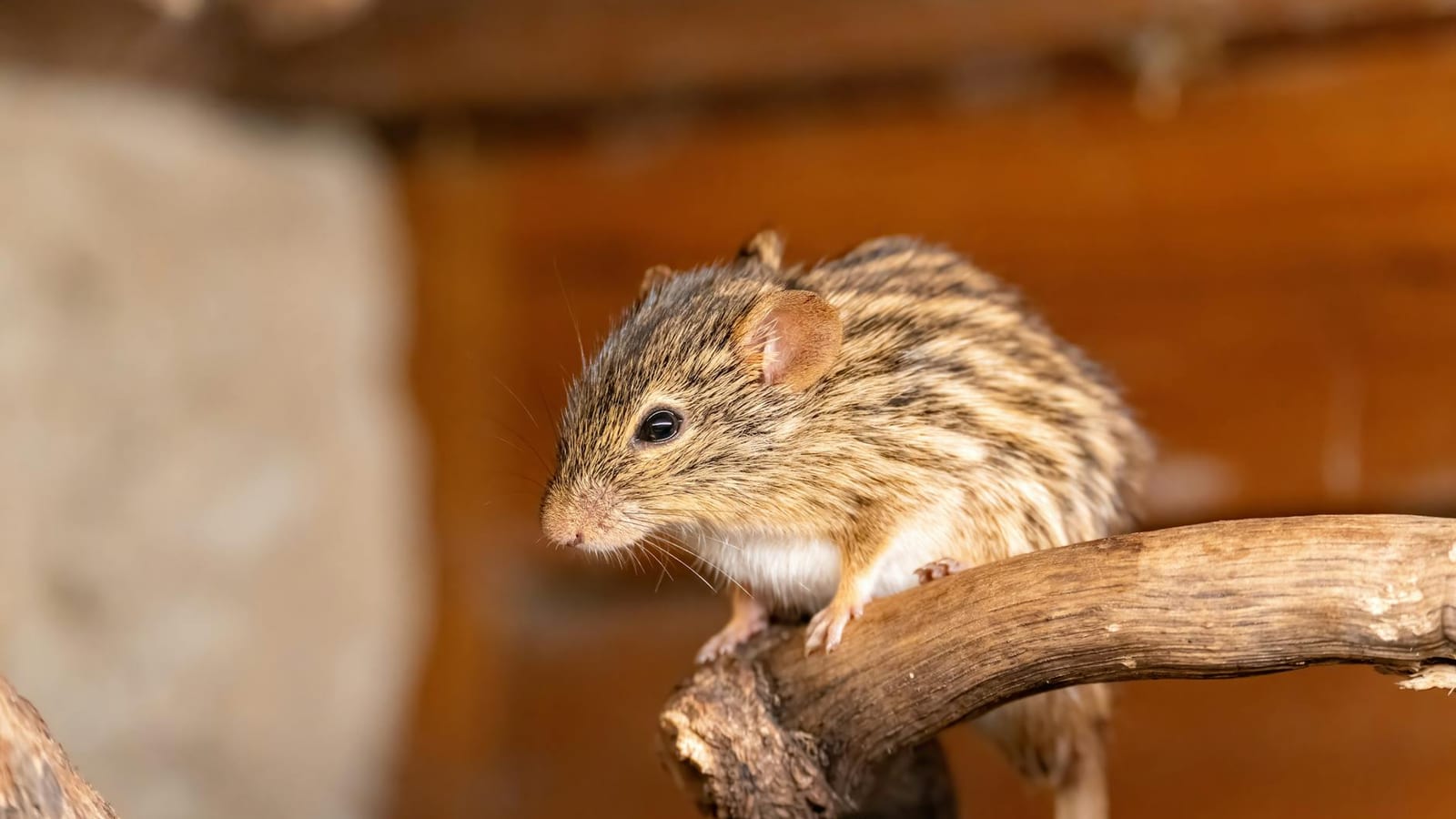
Every Indian home has seen a mouse dart across the kitchen floor at some point. Most of us chase it away and get on with the day. But that brief encounter, or even just cleaning up the droppings it left behind, could carry a risk few people think about: Hantavirus.
This is not a reason to panic. But it is a virus that deserves more attention in India, where rodent populations are dense and contact between humans and rats or squirrels happens routinely, in homes, fields, and grain stores.
What exactly is Hantavirus?
Hantavirus is a family of viruses carried primarily by rodents. The main concern is contact with infected rats and squirrels. These animals rarely fall sick themselves but shed the virus in their urine, droppings, and saliva.
When a human breathes in air contaminated by dried rodent droppings, or touches a surface where an infected rodent has been active and then touches the mouth or nose, the virus can enter the body. You do not need to handle a rodent directly. In poorly ventilated spaces where rodents have nested, simply disturbing an old pile of debris or grain sacks can expose you.
The virus does not spread easily between people, which is an important distinction. Unlike COVID-19, you cannot catch Hantavirus from a cough or sneeze from an infected person sitting next to you on a bus.
What happens inside the body
There are two main ways Hantavirus affects humans. The more serious form, seen in the Americas, is Hantavirus Pulmonary Syndrome, where the lungs fill with fluid. The form seen more commonly in Asia is Hemorrhagic Fever with Renal Syndrome, which primarily attacks the kidneys.
Both are dangerous if untreated. The body’s immune response to the virus is part of what causes the damage. Blood vessels become leaky, and fluid shifts to where it should not be. In the lungs, this means breathing becomes difficult, rapidly. In the kidneys, waste products build up and blood pressure swings wildly.
Symptoms in the early days look deceptively ordinary: fever, muscle aches, headache, fatigue. This is the part that catches people off guard. Someone who cleaned out a storage room and develops what feels like a flu a week or two later may never connect the two events.
Medical experts emphasise that the window from first symptoms to serious illness can be short. Fever that persists beyond three or four days in someone with recent rodent exposure should prompt a doctor visit, not a wait-and-see approach.
How serious is it?
Hantavirus infections are rare in absolute numbers, but the fatality rate in serious cases is high. Severe pulmonary forms carry a fatality rate of 15 to 40 percent; the renal form runs around 5 to 15 percent, depending on how quickly treatment begins. That is why awareness matters far more than post-infection management.
There is no antiviral drug specifically approved to target Hantavirus. Treatment is supportive: keeping the patient stable, managing fluid balance, providing oxygen when needed, and sometimes using dialysis if the kidneys fail. The immune system must do the heavy lifting. Intensive care can make the difference between survival and death.
Who is most at risk in India?
People in rural areas who work in agriculture and store grain face rodent exposure frequently. Households in older buildings where wall gaps and broken pipes let rodents in freely carry similar risk. Workers who clear warehouses, attics, or abandoned spaces sit in a higher risk category, because stirring up old rodent nesting sites sends contaminated dust into the air.
Urban India is not immune. Dense markets, food storage areas, and neighbourhoods with heavy garbage accumulation all support large rodent populations. The monsoon season, which disrupts rodent habitats and pushes them into human spaces, typically increases contact risk every year.
Children and the elderly, who have less resilient immune responses, are more vulnerable to severe disease if infected.
What protection looks like
The good news is that Hantavirus is preventable, and the measures are simple. They do not require anything expensive or complicated.
Seal gaps in walls, floors, and around pipes. Rodents can squeeze through a gap the width of a finger. Store food in sealed containers, not open sacks. Cover garbage and remove it regularly.
If you must clean a space where rodents have been active, wear rubber gloves and a mask covering the nose and mouth. Wet the area with a disinfectant solution before sweeping or disturbing anything. This is the same common-sense approach medical teams use when clearing rodent-infested environments.
Do not handle dead rodents with bare hands. If you find one, use gloves and seal it in a bag before disposal.
After any cleaning task in a suspected rodent area, wash hands thoroughly with soap and water.
A word of proportion
The tone around Hantavirus can feel alarming, but context matters. Most rodent exposures do not result in infection. Not all rodents carry the virus. A healthy person who notices symptoms early and seeks medical help has significantly better outcomes than one who waits.
What is worth taking seriously is the habit of treating rodent activity in your home or workspace as a health concern, not just a nuisance. Calling in pest control, fixing structural gaps, and storing food properly are investments that pay off well beyond Hantavirus.
If you or a family member develops a fever with muscle aches after recent exposure to rodents or dusty enclosed spaces, tell the doctor about that exposure history. That single piece of information could change the entire direction of the diagnosis.
The mouse in the kitchen is not a disaster. But it is a nudge to take your home’s hygiene seriously, while there is still nothing to worry about.
This article is for informational purposes only and does not substitute medical advice. Consult a qualified physician for any health concern.
This article is for informational purposes only and does not substitute medical advice. Consult a qualified physician for any health concern.