Hormuz tensions raise fresh risks for India's energy
France and Oman backed open passage through the Strait of Hormuz, a chokepoint that can hit India's oil, gas, freight and currency costs.
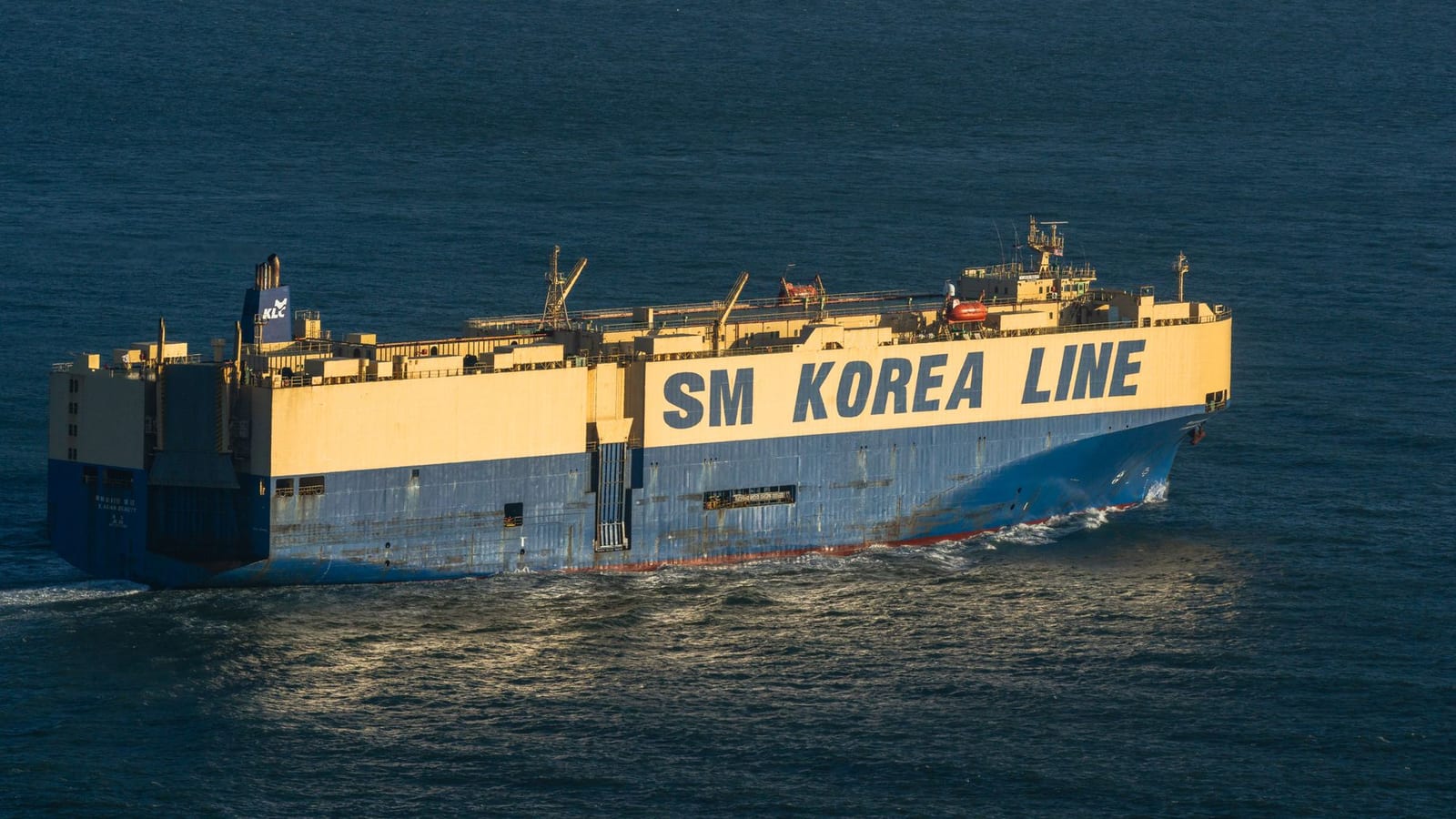
A narrow strip of water near the Gulf has again reminded the world how fragile cheap energy can be.
On Monday, June 29, French President Emmanuel Macron and Oman’s Sultan Haitham bin Tariq called for free navigation through the Strait of Hormuz. They also backed joint mine-clearing operations there.
For India, this is not some distant maritime quarrel. When Hormuz sneezes, petrol pumps in Mumbai, fertiliser plants in Gujarat, and shipping bills across the country can feel the fever.
Hormuz is back at centre stage
The Strait of Hormuz is only about 30 kilometres wide at its narrowest point. Yet, before the recent war, it carried around one-fifth of global hydrocarbon trade.
That is why every sentence about this waterway matters. Oil, gas, insurance rates, freight costs, and currency pressure all follow its mood.
A joint French-Omani statement said both leaders supported navigation without conditions or restrictions. In plain English, ships should pass without a special fee or political permission.
The statement also spoke of the right of transit passage under maritime law. That phrase matters because it treats Hormuz as an international route, not a toll road.
Macron and Sultan Haitham also agreed to work with stakeholders on maritime security. They spoke of intelligence sharing, sea surveillance, and protecting commercial routes.
For Indian consumers, this sounds technical. It is not. If ships slow down, fuel and imported goods become costlier.
Iran rejects outside mine clearing
इran quickly pushed back against the French-Omani plan on mine clearing. Iranian Deputy Foreign Minister Kazem Gharibabadi said France should not make the situation more complicated.
He said on X that Iran, and no other country, would handle mine removal. He linked this position to the understanding between Tehran and Washington after the latest conflict.
That response shows the real fight here. This is not only about mines in the water. It is about who gets to control the rules after the guns fall silent.
Iran sits on one side of the strait. Oman sits on the other. Both geography and politics give them weight.
But the West sees Hormuz as too important to leave to one regional power. France and Britain have gathered a group of non-combatant countries for a possible maritime mission.
Their proposed role includes securing traffic and clearing mines. Macron, however, described the plan as a proposal. He said it depended on understandings involving Iran, the United States, and Oman.
That careful wording is important. No one wants to turn a demining mission into a fresh military confrontation.
A toll road nobody wants
The next dispute is even more sensitive, money.
Iran has considered imposing passage charges through Hormuz. These charges did not exist before the recent war, according to the diplomatic discussions now underway.
The United States and European governments oppose that idea. They argue that Hormuz is an international waterway.
Oman had earlier mentioned possible costs for managing the waterway in a joint note with Iran. It has now moved away from the idea of passage fees.
That shift matters because tolls could create a dangerous precedent. Today it is Hormuz. Tomorrow another strategic route may try the same logic.
For India, even a small charge can travel a long way. Shipping companies rarely absorb such costs quietly. They pass them to refiners, importers, and eventually consumers.
A family filling a scooter in Jaipur may never follow Gulf diplomacy. But Gulf diplomacy can still decide what that refill costs.
Young professionals paying home loans already track fuel and grocery bills closely. Higher crude prices usually seep into transport, plastics, fertilisers, and airfares.
That is why India watches Hormuz with unusual seriousness. The route links India’s energy security to a crowded and tense neighbourhood.
Trump’s distance, Europe’s opening
The war that began in late February, after American-Israeli attacks, formally moved toward closure on June 17. The United States and Iran reached an understanding to end the conflict.
But the Hormuz question has survived the ceasefire mood. That tells us something basic about modern wars. Even when shooting slows, economic control remains contested.
US President Donald Trump has shown limited public interest in the European maritime plan. The exception appears to be Europe’s mine-clearing capability.
That gives Europe a small but visible opening. France and Britain want to show they can secure trade routes without being mere spectators.
Yet they also know the risks. A mine-clearing vessel can look defensive to one capital and intrusive to another.
Oman’s role is quieter but more useful. The sultanate has often acted as a bridge in Gulf diplomacy. Its location also gives it direct stakes.
For India, Oman is not just another Gulf state. It sits close to sea lanes that Indian trade uses constantly.
Indian policymakers will read this moment with two questions. First, can Hormuz reopen without new conditions? Second, will the arrangement hold when pressure rises again?
India’s fuel bill sits in the background
India does not need drama in Hormuz. It needs predictability.
The country imports most of its crude oil. A disruption near the Gulf can quickly affect refiners, airlines, truckers, and government finances.
When oil jumps, the rupee often feels pressure too. That makes imports costlier, even beyond energy.
The government can reduce fuel taxes for relief, but that hurts revenue. It can ask oil companies to absorb pain, but that cannot last forever.
This is why distant maritime arguments become kitchen-table issues here. Diesel prices influence food transport. Fertiliser costs affect farmers. LPG prices touch urban and rural homes alike.
A kirana store owner in a tier-2 city may not know the name of the strait. But he will notice if transporters revise rates.
A factory owner importing inputs may not care who clears mines. But delayed shipping can upset orders, payrolls, and customer commitments.
This is the hidden chain behind Hormuz. Strategy enters the household through prices, not speeches.
India will likely welcome any arrangement that keeps ships moving freely. But it will also avoid sounding like part of a Western military script.
That balance is familiar. New Delhi wants open sea lanes, stable energy, and good relations across the Gulf. It also avoids taking public positions that close doors.
The lesson from Hormuz is simple. The world’s economy still runs through narrow places guarded by nervous powers.
If Macron, Oman, Iran, and the United States find a practical deal, consumers may never notice. That would be the best outcome. In geopolitics, silence at the petrol pump is often the real success.