Takeda Dengue Vaccine Wins India Nod for Ages 4-60
CDSCO has approved Takeda's Qdenga for dengue prevention in people aged 4 to 60, giving India its first cleared vaccine against the virus.
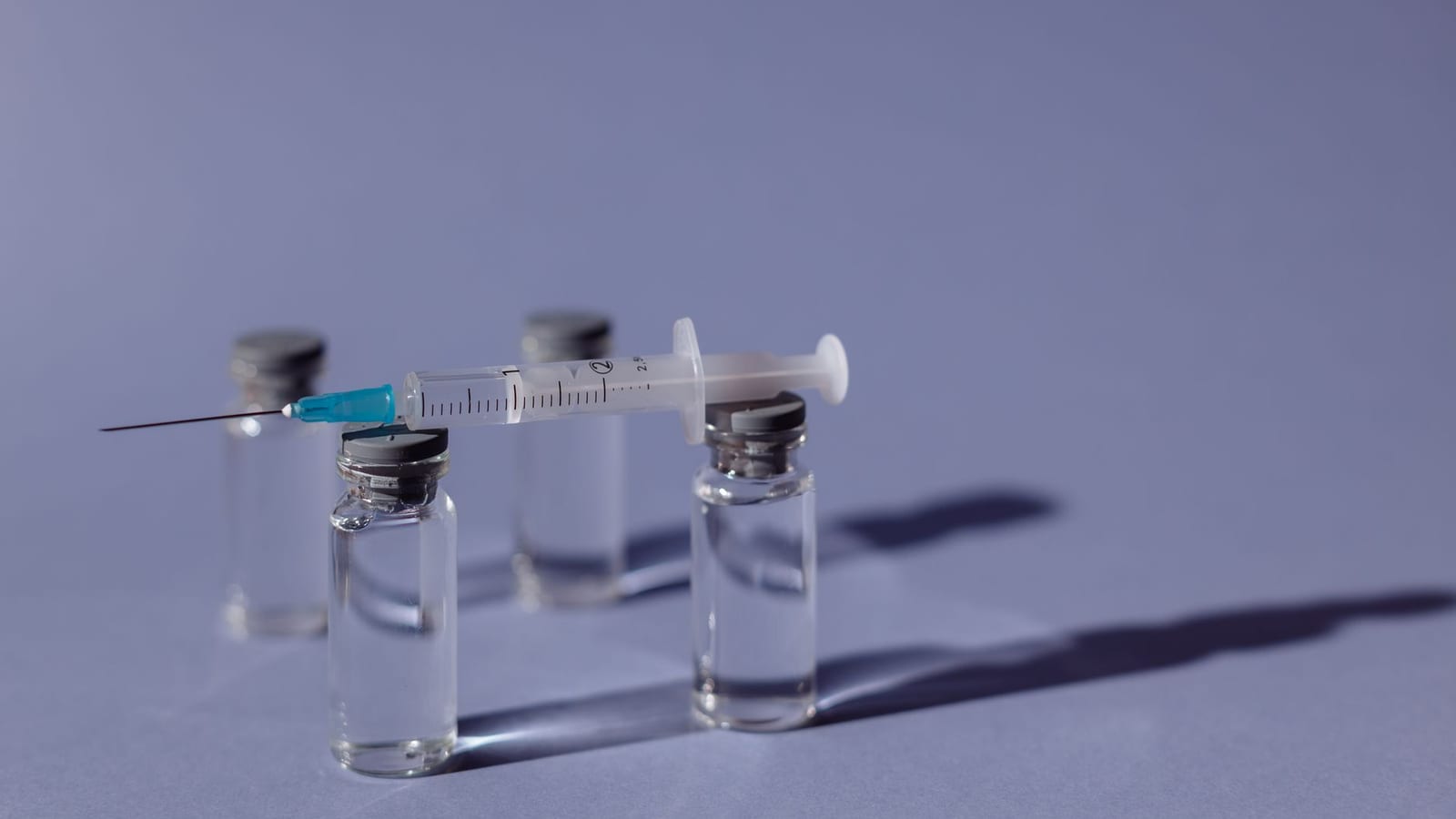
Every monsoon, dengue turns one fever at home into a full family operation.
Someone searches for a platelet count. Someone calls a lab. Someone remembers a neighbour who needed hospital care last year. That quiet panic is why India’s first approved dengue vaccine matters.
India’s drug regulator has cleared Qdenga, made by Takeda Biopharmaceuticals, for people aged 4 to 60. It is not dengue’s goodbye speech. But it gives India a new tool against a disease that returns with grim timing.
What India has approved
The CDSCO has granted marketing approval for Qdenga, the Ministry of Health and Family Welfare said on July 21, 2026.
That means the vaccine can be used in India for dengue prevention, subject to rollout, supply, pricing, and medical guidance. Approval does not mean every clinic will stock it tomorrow.
The schedule is simple on paper. A person gets two doses, three months apart. Each dose is 0.5 ml, or half a millilitre.
Doctors give it under the skin. The vaccine targets all four dengue virus types. That matters because dengue is not one neat enemy.
The same person can get dengue more than once. A second infection can sometimes become more dangerous. That has always made dengue vaccine science unusually tricky.
Why no pre-test matters
The big practical shift is this. Under India’s approval, Qdenga can be given without first checking whether someone had dengue earlier.
That sounds like a small detail. It is not.
A pre-test adds cost, delay, and confusion. It also makes mass vaccination harder, especially outside big private hospitals. In a town clinic, one fewer test can decide whether families actually return.
Qdenga uses weakened versions of the dengue virus to train the immune system. In plain English, the body gets a rehearsal before the real infection arrives.
This does not mean vaccinated people cannot get dengue. The WHO says vaccination must work alongside mosquito control, early diagnosis, and good hospital care.
That old advice still holds. Empty the water trays. Cover storage drums. Watch construction sites. Dengue mosquitoes love clean stagnant water and bite mostly during the day.
What the trial data shows
Takeda has studied Qdenga across several countries, including dengue-heavy regions. The ministry said Indian approval also used Phase III data from Indian participants aged 4 to 60.
The main global trial followed more than 20,000 people. Researchers measured lab-confirmed dengue and dengue-related hospitalisation over time.
After 12 months from the second dose, Takeda reported about 80% protection against confirmed dengue illness. At 18 months, protection against hospitalisation was about 90%.
Longer follow-up gave a more sober number. After 4.5 years, protection against dengue hospitalisation stood at 84.1%. Protection against any confirmed dengue illness was lower.
That difference matters for families. A vaccine that prevents hospital stays can still have value, even if it does not stop every fever.
India’s public health system feels dengue most when wards fill up. For parents, workers, and older adults, avoiding hospital care is not a small benefit. It means fewer lost wages, fewer emergency bills, and fewer frightening nights.
The caution doctors will keep
Qdenga has WHO prequalification and approvals in several countries. The health ministry said more than 24 million doses have been distributed globally.
Still, a dengue vaccine needs careful use. WHO currently recommends TAK-003 mainly for children aged 6 to 16 in areas with high dengue spread.
India’s age approval is wider, from 4 to 60. That makes local rollout rules important. Doctors will want clarity on who should get priority first.
WHO also says some groups should not receive TAK-003. These include pregnant women, breastfeeding women, and people with weak immune systems.
That caution comes from the vaccine type. A live, weakened vaccine can be unsafe for people whose immune system cannot respond normally.
There is another lesson from other countries. After rollout in Brazil, health authorities watched reports of serious allergic reactions. Such events were rare, but they show why surveillance matters.
So the sensible reading is neither fear nor celebration. Qdenga gives India a serious new dengue vaccine option. It still needs smart deployment.
For ordinary readers, the next question is practical. Will this vaccine reach only private clinics, or also public programmes in dengue hotspots? India’s dengue fight has always depended on boring basics, clean water storage, fast testing, and alert hospitals. The vaccine may now add a useful shield. But shields work best when people can actually afford and access them.
This article is for informational purposes only and does not substitute medical advice. Consult a qualified physician for any health concern.
This article is for informational purposes only and does not substitute medical advice. Consult a qualified physician for any health concern.