Cooling Oil Prices Push ECB Toward July Rate Pause
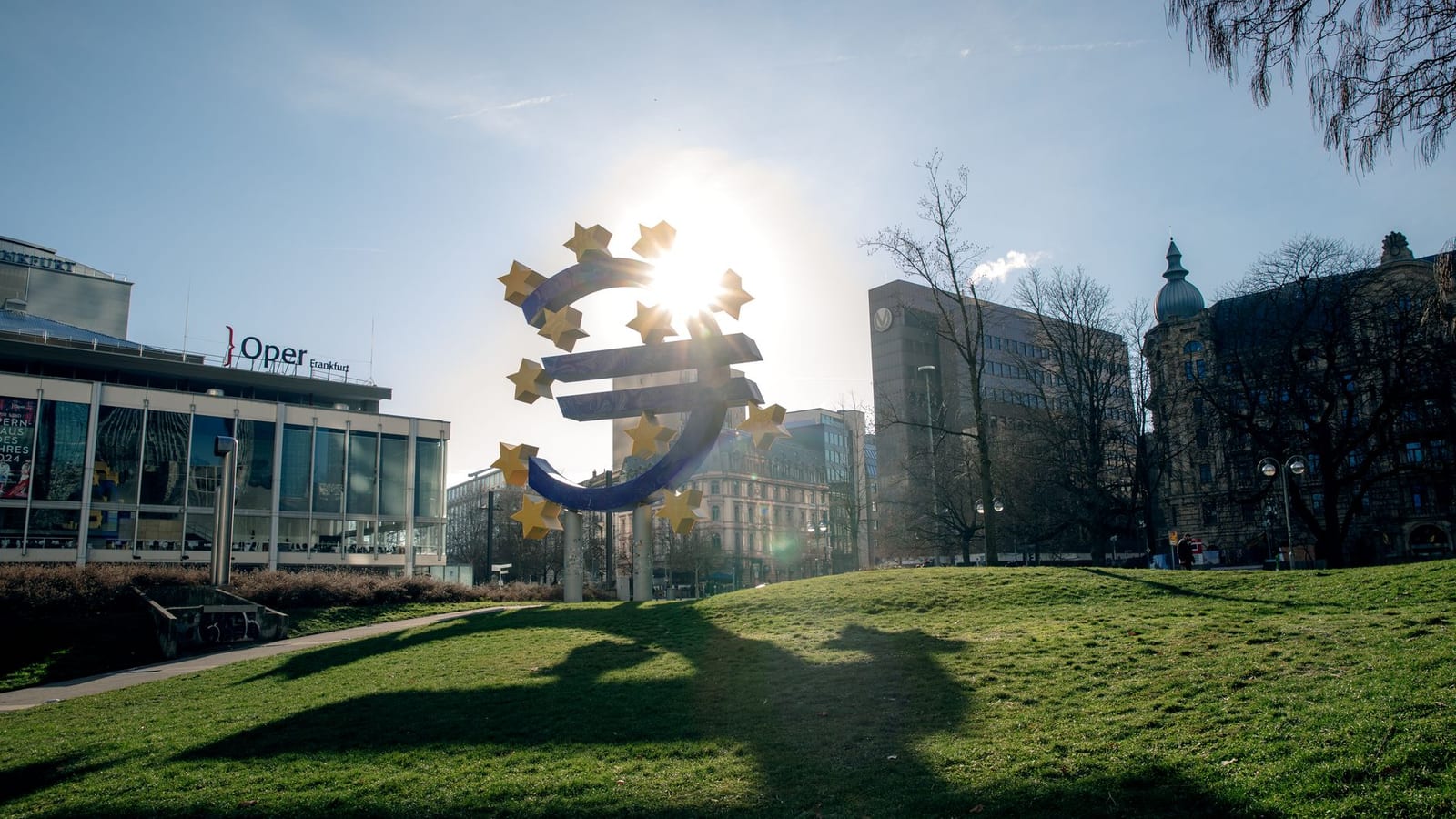
Eurozone inflation eased to 2.8 percent in June as oil cooled, making another ECB rate increase in July less likely after its June hike.
Oil does not need a passport to enter your monthly budget.
A barrel becomes dearer in the Gulf, and months later, an Indian family pays more for petrol, flights, plastic goods, and sometimes onions too. That is why Europe’s sudden rethink on interest rates matters far beyond Frankfurt.
The European Central Bank now appears less likely to raise rates again in July, after eurozone inflation cooled faster than expected. Prices rose 2.8 percent in June, down from 3.2 percent in May, helped by falling oil prices after the United States and Iran reached an agreement that eased fears around the Strait of Hormuz.
Europe blinks after oil cools
The ECB had raised its key interest rate from 2 percent to 2.25 percent on June 11. At that point, oil prices had jumped because the Strait of Hormuz looked risky.
That narrow waterway is not just a map detail. A large share of global oil and gas moves through it. When traders fear trouble there, prices rise fast.
Four days after the ECB move, Washington and Tehran signed an agreement to end the conflict. Oil then fell back to about 71 dollars a barrel, close to where it stood before the Middle East flare-up.
That changed the mood quickly. A July rate rise now looks unlikely because the original pressure has eased. Central banks hate admitting bad timing, but markets can be cruel teachers.
For Europe, this matters because growth already looks weak. Higher rates make loans costlier for companies, home buyers, and governments. If inflation is cooling anyway, another rate hike could hit an economy that is already walking slowly.
Central bankers keep talking
At Sintra in Portugal, the ECB’s annual policy meeting brought together several top central bankers. Christine Lagarde, the ECB president, hosted the event as policymakers tried to read a fast-changing world.
Kevin Warsh, the new head of the Federal Reserve, also attended. His presence drew attention because he has been in the job for less than six weeks.
Warsh was appointed by Donald Trump, and many wondered how strongly he would engage with global central bankers. His decision to make Sintra his first international trip sent a clear signal.
Central banks compete in one sense, because each protects its own economy. But in crises, they also need each other. During Covid, quick coordination helped stop panic from spreading through global finance.
That old habit still matters. Currency markets, bond markets, oil contracts, and trade flows do not stop at borders. When one major central bank moves, others feel the tremor.
For India, this is not abstract club talk. The Reserve Bank of India watches the Fed, the ECB, oil, and the rupee together. It cannot set policy in a vacuum.
Why India should care
When Europe slows, Indian exporters feel it. Pharma, textiles, auto parts, engineering goods, IT services, and gems all depend in part on European demand.
If Europe keeps rates high for too long, consumers there spend less. Companies delay orders. Indian firms then see slower sales, tighter payments, and tougher negotiations.
But if Europe steps back from another hike, that pressure eases a little. It does not create a boom. It simply removes one more stone from the road.
Oil is the bigger Indian angle. India imports most of the crude it uses. A fall in oil prices helps the trade deficit, the rupee, and inflation.
Lower crude can also give New Delhi more room on fuel taxes and public spending. It can reduce the pressure on airlines, logistics firms, paint makers, tyre companies, and chemical producers.
For a young professional paying an EMI, global rates matter too. When big central banks keep money tight, investors often pull cash toward the dollar. That can weaken emerging market currencies and raise borrowing costs.
India has handled this cycle better than many peers. But no economy is immune when oil, dollars, and rates move together.
The lesson from a misread shock
The ECB’s problem shows how hard policymaking has become. Inflation today does not come only from wages or demand. It can come from a missile strike, a shipping blockage, or a diplomatic breakthrough.
A central bank can raise rates after oil jumps. Then oil can fall before the rate decision even settles into the economy. Ordinary people still face the cost of that decision through dearer loans.
This is why central bankers now speak carefully, sometimes too carefully. They know one sentence can move markets. But they also know events can make yesterday’s logic look dated.
Lagarde’s challenge is simple to state and hard to solve. She must convince Europe that the ECB will fight inflation, without choking off growth.
Warsh faces his own test in Washington. A Trump-appointed Fed chief will face close scrutiny on independence. Markets will watch whether he follows data or political mood.
For India, the deeper point is this. The old Western economic order still matters, but it looks less steady. Energy politics, Middle East diplomacy, and US policy swings now hit household budgets faster than before.
That means Indian policymakers need buffers, not just forecasts. Cheaper oil today helps. But India still needs more energy sources, stronger trade ties, and calmer domestic inflation.
For ordinary readers, the ECB’s apparent pause is good news, but not a reason to relax. Your petrol bill, loan rate, job market, and investment returns now sit inside a global chain. One link may have cooled this week. The chain is still under strain.