German coalition seals reform deal to revive growth
Germany's ruling coalition has agreed on reforms covering tax relief, fuel costs, welfare rules and social insurance to revive growth in Europe.
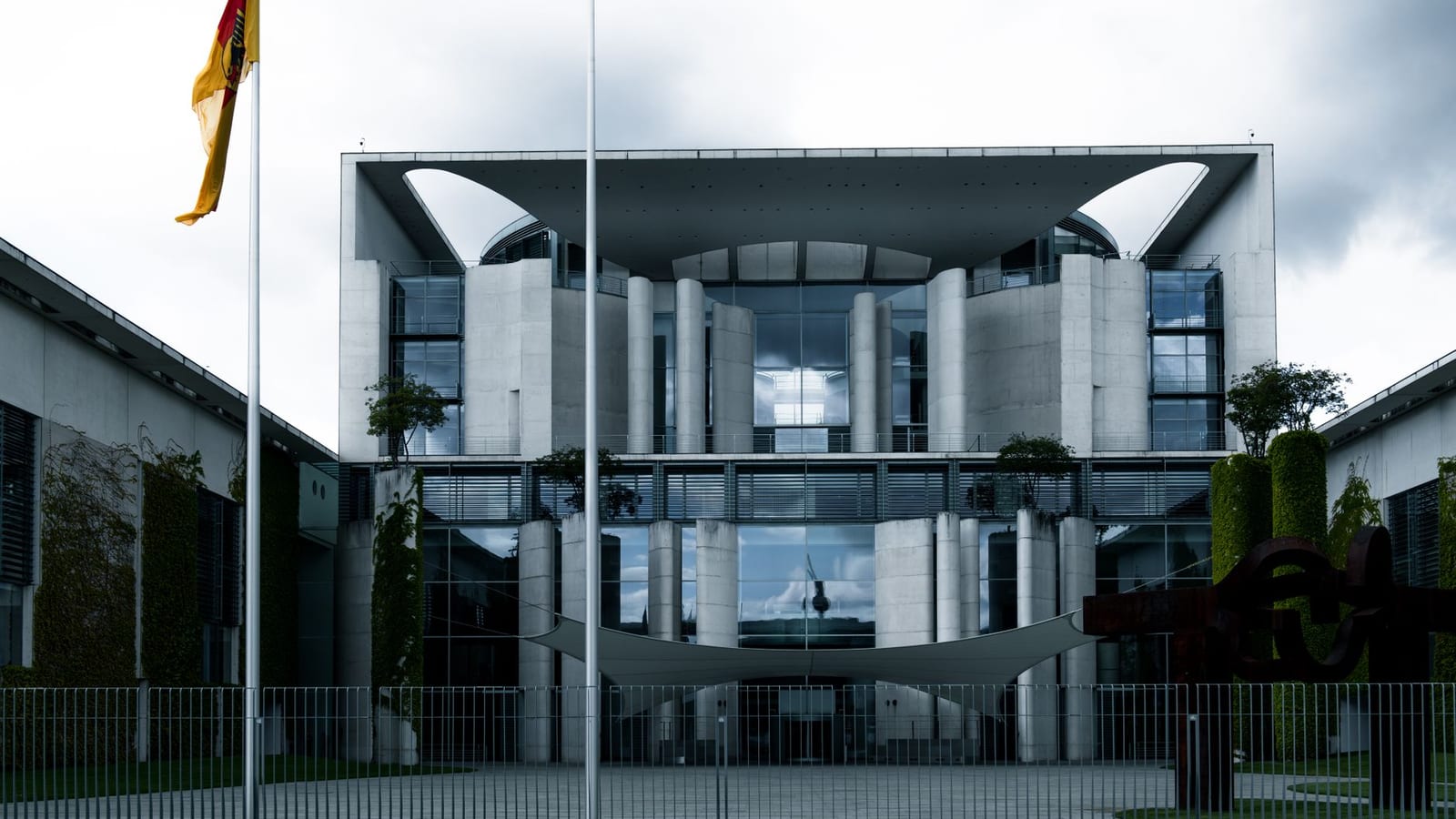
Germany’s politics suddenly feels less distant when petrol, taxes, jobs, and artificial intelligence sit on one table.
Late on Wednesday, July 1, Germany’s ruling coalition agreed on a reform package after weeks of strain. For ordinary Germans, this means arguments over tax relief, fuel bills, welfare rules, and social insurance costs.
For India, this is not just another European domestic story. Germany is Europe’s biggest economy, a key trade partner, and a magnet for skilled Indian workers. When Berlin worries about growth, Indian exporters, tech firms, and young professionals should pay attention.
Berlin pushes a cautious reform deal
The coalition committee of the CDU, CSU, and SPD finished talks late on Wednesday night. SPD parliamentary leader Matthias Miersch told party colleagues that the talks had produced “good results”.
The details were set for announcement at the Chancellery on Thursday morning, July 2. Party bodies and parliamentary groups were to be briefed after that.
The package aims to ease pressure on citizens and companies. It also seeks to revive growth and slow the rising cost of social insurance.
That sounds technical, but the point is simple. German workers pay into health, pension, and care systems. When these costs rise, take-home pay suffers and companies feel the pinch.
A reform of income tax is also part of the package. But the relief now looks smaller than earlier signals suggested.
That matters because Germany has a familiar middle-class problem. People earn, pay high deductions, face expensive services, and still feel insecure.
The coalition had tried to settle these reforms once before in mid-April. That attempt failed. This time, the talks moved faster than many expected.
Fuel relief ends, pressure returns
One headache arrives almost immediately. Germany’s temporary fuel tax relief has ended after two months.
The discount had reduced tax on diesel and petrol by 17 cents per litre. It began in May after fuel prices jumped during the Iran conflict.
From July 1, fuel leaving depots or refineries faces the old, higher tax. That means motorists may soon see prices climb again.
Mecklenburg-Vorpommern chief minister Manuela Schwesig has urged further relief for citizens. She wants the Chancellor to speak with oil companies to stop pump prices from rising sharply.
She has also pushed for a price cap like Luxembourg’s model. There, the economy ministry sets maximum prices for petrol, diesel, and heating oil.
For Indian readers, this should sound familiar. Fuel prices are never just about fuel. They become a test of government credibility.
A car owner in Munich and a scooter rider in Meerut live in different economies. But both understand one thing clearly. When fuel rises, everything else starts feeling expensive.
Schwesig also wants tax reform to help small and middle-income groups. That is the political heart of the matter.
Germany’s coalition knows it cannot talk only about growth charts. It must show households that the state can still soften shocks.
Welfare rules get tougher
The reform debate also touches welfare. Federal Labour Minister Bärbel Bas has defended Germany’s new basic security rules, which took effect on July 1.
Bas said people who need help must receive it. But she also said those who can work must make an effort to find work.
The government wants more binding rules, more personal responsibility, and stronger cooperation from benefit recipients.
This is not aimed at most people on support, Bas argued. She said only a small number break the rules.
Still, the political message is clear. The coalition wants to protect the welfare state by showing it will not tolerate misuse.
Germany is also strengthening what officials call the “passive-active transfer”. In plain English, that means paying to help people work instead of only paying benefits.
Training will still matter if someone needs new skills to find stable work. The stated goal is work, fairness, and solidarity.
Here lies Europe’s deeper worry. Ageing societies need expensive welfare systems. But fewer workers must carry more of the load.
India should watch this closely. Europe wants skilled workers from countries like India. Yet its domestic politics is becoming sharper on welfare, migration, and work.
That tension will shape how welcoming Europe feels in practice. Visas may open, but public mood can close doors quietly.
AI becomes a security concern
The reform package is not only about household bills. Berlin is also preparing a new task force on artificial intelligence.
The digital and state modernisation ministry will lead the effort. The first meeting was planned for Thursday, July 2.
The task force will map AI projects across ministries and align them by autumn. It will also examine foreign policy and security questions.
That last part matters. Germany does not see AI as just a business tool. It now sees AI as power.
The concern is blunt. The United States and China lead in large language models. Europe risks becoming dependent on them.
This is a familiar problem for India too. Countries do not want to use only foreign systems for sensitive data, public services, defence, and commerce.
India’s own AI debate has the same core question. Do we build our own capacity, or rent intelligence from others?
German industry will also watch this carefully. Car makers, manufacturers, banks, and logistics firms need clear AI rules and strong digital infrastructure.
Indian IT firms with German clients should track this shift. If Berlin coordinates AI policy better, new contracts and compliance work may follow.
Fringe parties test the centre
The reform deal lands in a tense political season. The AfD continues to shape Germany’s political conversation from the right.
AfD leader Alice Weidel has said she is open to talks with Sahra Wagenknecht’s BSW. But she will not help the smaller party during election campaigning.
Her spokesperson said talks could happen only if BSW crosses the five percent threshold in state elections this September.
BSW had proposed public debates between Weidel and Wagenknecht in Magdeburg and Schwerin. These are the capitals of Saxony-Anhalt and Mecklenburg-Vorpommern.
The party also offered limited cooperation with the AfD after the state elections. Other mainstream parties reject cooperation with AfD.
Current polling suggests BSW faces a tight race. It is slightly below five percent in Saxony-Anhalt and slightly above that mark in Mecklenburg-Vorpommern.
Judges in Saxony-Anhalt have also voiced concern about a possible AfD-led government. Christian Löffler, head of the state judges’ association, warned that appointments and promotions could influence courts over time.
He drew a comparison with Poland under the former PiS government. That is a serious warning in Europe, where court independence remains a sensitive issue.
For investors, students, and migrants, institutions matter as much as tax rates. A country can be rich and still become politically unpredictable.
Germany is trying to do many things at once. It wants cheaper living, stronger growth, disciplined welfare, AI independence, and political stability.
That is a heavy load for any government. For Indian readers, the lesson is simple. Germany’s problems may look far away, but their impact travels through trade, jobs, technology, and migration. Berlin is trying to hold the centre before voters decide someone else deserves the wheel.