Hormuz risk zone extended as US-Iran talks resume
Hormuz remains a warlike operations area until July 9, keeping risk pay and shipping concerns in focus as US-Iran talks resume.
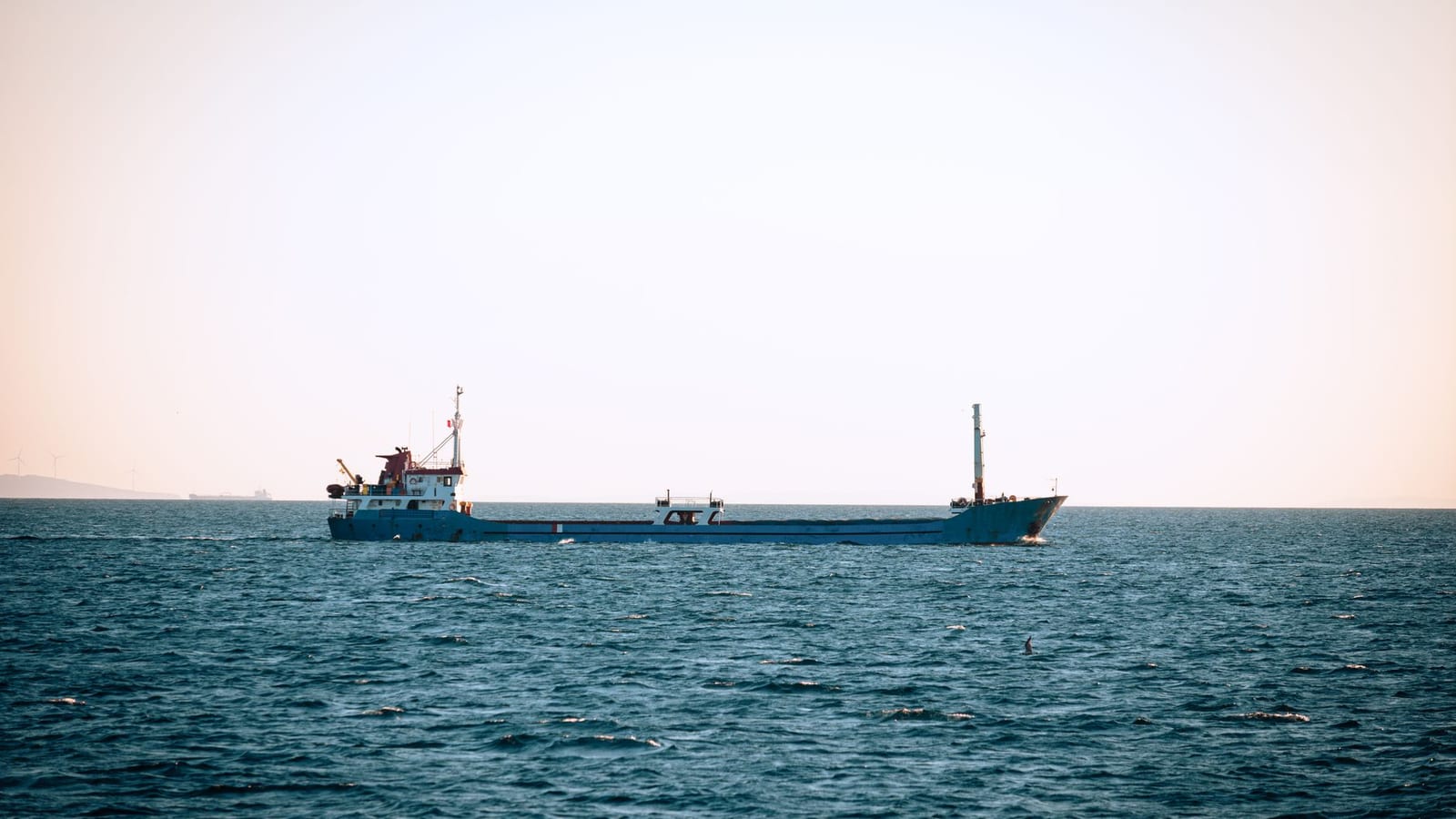
A Gulf flight may still land on time this week, but the mood around the region has changed.
The Strait of Hormuz, that narrow sea lane between Iran and Oman, is not just an oil-market headline. For Indians, it sits close to everyday concerns: Gulf jobs, family visits, air routes, cargo delays, insurance costs, and the price of fuel at home.
After weeks of fighting, the United States and Iran are talking again through mediators in Qatar. That is good news. But nobody should mistake it for calm seas yet.
Hormuz remains under watch
The Strait of Hormuz will continue to be treated as a “Warlike Operations Area” until July 9, the International Transport Workers’ Federation and maritime employers’ group JNG said.
In simple terms, ships can move, but crews still face risk pay rules. Seafarers on covered vessels will continue to get double wages while sailing through the zone.
That matters deeply for India. Many Indian workers serve on commercial ships across the Gulf. For their families, this is not a faraway map point. It is a phone call from a son at sea, a delayed vessel, or a tense wait for the next update.
Commercial shipping has resumed under a 60-day framework. But shipping people know the difference between “open” and “normal”. A lane can reopen while insurers, captains, exporters, and port agents still behave cautiously.
Doha talks bring limited relief
The latest indirect talks took place in Doha, with Qatar and Pakistan acting as mediators. Iranian and American officials did not sit across the same table.
Iranian Deputy Foreign Minister Kazem Gharibabadi led Tehran’s side. He said the talks produced a channel to report and discuss breaches of the interim understanding.
That sounds technical, but it matters. During a fragile ceasefire, a hotline can stop one drone strike or naval encounter from becoming a wider war.
Iran also said part of its $6 billion in frozen funds would be released for domestic purchases. This gives Tehran a face-saving gain, while keeping the larger argument alive.
The bigger issues remain unsolved. Iran wants recognition of its authority over Hormuz. Washington wants restraints tied to Iran’s nuclear programme and regional actions. Neither side has declared peace.
US Vice President JD Vance said the talks were going well. President Donald Trump also sounded upbeat on Iran’s nuclear file. Still, both countries are speaking softly while keeping pressure close at hand.
Travel may feel the shock
For Indian travellers, the first question is simple: will flights be affected?
The source material does not mention specific cancelled routes or fare hikes. So there is no reason to panic. But Gulf instability can quietly raise travel stress.
Airlines may adjust routes when conflict risks rise. Longer routes can mean higher fuel burn. Higher fuel burn can feed into ticket prices, especially during busy travel windows.
Families travelling to Dubai, Doha, Muscat, Bahrain, Kuwait, or Saudi Arabia should watch airline updates closely. The same applies to Indians returning from Gulf jobs for family events, school admissions, or medical reasons.
The Gulf is not just a holiday map for Indians. It is a work corridor. A large number of Indian families depend on regular movement between Kerala, Telangana, Tamil Nadu, Maharashtra, Uttar Pradesh, and Gulf cities.
Even small uncertainty can hurt. A rescheduled flight may cost a family one more hotel night. A delayed connection can mean missing work. A nervous employer may delay deployment for a new worker.
Oil prices are the hidden worry
Hormuz carries a major share of global oil and liquefied natural gas trade. When that passage looks risky, oil markets usually start calculating danger into prices.
India imports most of its crude oil. So even a conflict thousands of kilometres away can show up at petrol pumps, airline counters, and household budgets.
The effect does not always come overnight. Sometimes prices rise slowly through freight costs, insurance premiums, and fuel contracts.
A tour operator in India may not talk about Hormuz while selling a Dubai package. But if aviation fuel gets costlier, package prices can harden. If shipping insurance rises, imported goods can turn pricier.
This is why foreign policy often lands in ordinary wallets. The route between Iran and Oman may look distant, but it sits inside India’s inflation story.
Ceasefire still looks fragile
Qatar’s foreign ministry said the next round of talks will happen after the funeral of Iran’s late Supreme Leader Ayatollah Ali Khamenei, due on July 9.
Iran has placed its armed forces on high alert ahead of the ceremonies. Senior officials and religious leaders from other countries are expected to attend.
That timing matters. Funerals of major political figures can become moments of unity, anger, or power signalling. Negotiators may prefer to wait until the domestic mood in Tehran becomes clearer.
There are also parallel tensions elsewhere. The talks include efforts to calm Lebanon. Reports from the region also mention drone strikes, ceasefire complaints, and continued distrust.
For travellers, that means the best advice is boring but useful. Check official advisories. Confirm flights before leaving for the airport. Keep extra time for Gulf connections. Avoid treating “talks are going well” as the same thing as “risk has passed”.
The hopeful part is that both Washington and Tehran are still talking. The worrying part is that ships, soldiers, diplomats, and markets are all watching the same narrow waterway. For ordinary Indians, the story is not about grand strategy alone. It is about safe journeys, steady jobs, and whether the next fuel bill stays within reach.