Iran pauses Gulf attacks after two-night US bombing lull
Tehran says it halted attacks on Gulf countries after two nights without US strikes, easing immediate risk for oil, remittances and Indian workers.
For two nights, Gulf capitals watched the skies and got something rare: silence.
Iran says it paused attacks on Gulf countries because the United States has stopped bombing Iranian targets for two straight nights. That does not mean peace has arrived. It means both sides may be testing how far they can step back without looking weak.
For India, this is not distant theatre. The Gulf is where millions of Indians work, where families depend on remittances, and where much of our oil passes through.
A pause, not a peace deal
Iranian army spokesman Mohammad Akraminia said Tehran’s strategy rests mainly on retaliation. Since American strikes stopped for two nights, he said Iran also halted its operations.
No US bombing was reported in Iran early Sunday. Gulf countries allied with Washington also reported no overnight alerts.
That sounds like relief, but only for now. A pause in this region often means commanders are counting missiles, diplomats are testing messages, and markets are holding their breath.
Donald Trump said talks with Tehran have not broken down. He said Washington is speaking to Iranian leaders and suggested they are getting more serious.
That line matters. It tells us the battlefield and the negotiating table are moving together. In West Asia, one rarely replaces the other.
Netanyahu raises the stakes
Israeli Prime Minister Benjamin Netanyahu warned Iran against attacking Israel directly or through allied groups. He said Israel would respond very strongly.
He also said the war would end when the Iranian regime collapses. That is not a small statement. It shifts the language from deterrence to political survival.
Netanyahu’s visit to Washington now becomes more than a routine alliance stop. It will test whether America wants escalation, restraint, or something in between.
Iran’s army has already warned that the war will spread if US airstrikes resume. In plain words, Tehran is saying it will not keep the fight boxed inside Iran.
For Indian readers, that one sentence carries real weight. A wider war can hit oil prices, shipping costs, aviation routes, and jobs in the Gulf.
Hormuz sits at the centre
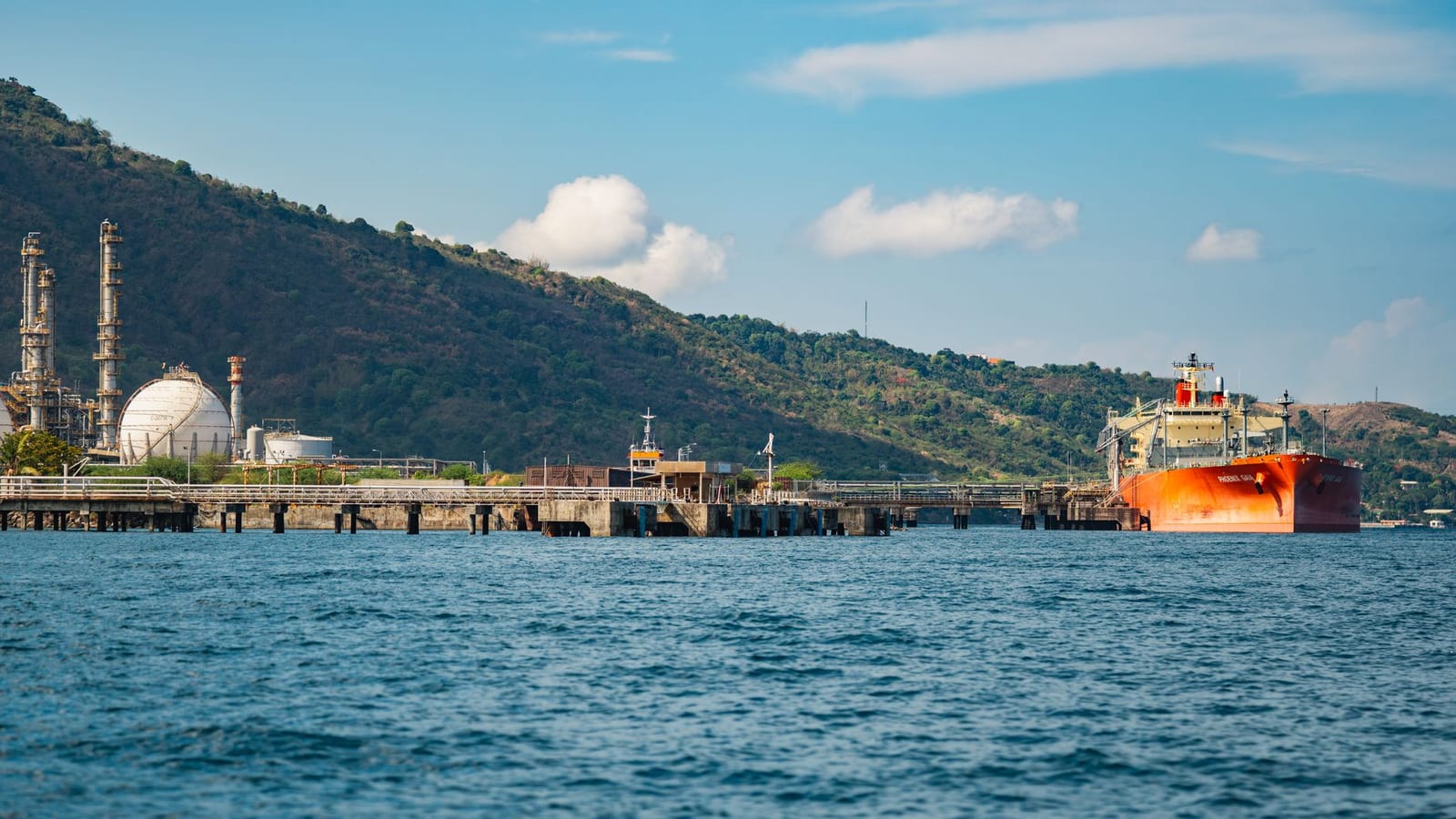
The Strait of Hormuz remains the pressure point everyone understands but fears to touch. A large share of global oil moves through this narrow waterway.
Iran’s foreign ministry spokesman Esmaeil Baghaei said Iranian and Omani officials held talks in Tehran on Hormuz management. He said they discussed safe navigation and each side’s sovereign rights.
He also said traffic in the strait had not changed. That is exactly the kind of detail oil traders watch before breakfast.
For India, Hormuz is not an abstract map label. A sharp rise in crude prices can show up later at fuel pumps, freight bills, and government finances.
A kirana store owner in a tier-2 city may never discuss Hormuz. But higher diesel costs can still raise the price of every carton reaching his shop.
New fires around the region
The wider region is already heating up. Hostilities between Saudi Arabia and Yemen’s Houthi rebels resumed on July 13.
The Houthis, who are backed by Tehran, said they shot down a Saudi reconnaissance drone in northwest Yemen. They said it was conducting hostile operations.
That came after attacks on oil facilities inside Saudi Arabia. The message is clear enough. The conflict can spread through allies, militias, drones, and shipping lanes.
The Lebanese army also accused Israel of continuing attacks in southern Lebanon. It said Israeli operations were blocking its planned deployment under a June agreement signed in Washington.
Pope Leo XIV called again for negotiations across the Middle East. He spoke of civilians in Gaza, the West Bank, and the wider region facing violence, water shortages, and power cuts.
That human cost often gets buried under missile counts. But ordinary families pay first when electricity fails, water runs short, and roads close.
Oil money and missile limits
Iran’s oil ministry said the country sold $18 billion worth of oil during five months of war. It said this covered more than 60 percent of expected annual oil revenue.
That claim matters because sanctions and blockades were meant to squeeze Tehran. If Iran kept earning from oil, the pressure campaign looks less decisive.
Still, one Iranian leader had earlier said the country could not export even one barrel during a previous blockade. Those statements do not sit neatly together.
On the American side, Washington is reportedly worried about stocks of Patriot missile interceptors and other defensive equipment protecting Gulf allies.
This is the hidden arithmetic of modern war. It is not only about who has the bigger air force. It is also about who can afford to keep shooting down missiles every night.
India will watch this arithmetic closely. A prolonged conflict can strain global defence supplies and push countries to review their own air defence plans.
The pause in bombing may hold, or it may break with one drone strike, one misread radar signal, or one political speech. For ordinary Indians, the lesson is simple. West Asia is not far away. It sits inside our fuel bill, our remittances, our shipping lanes, and our strategic choices.