Iran Pauses Attacks After Second Night Without US Strikes
Iran says it paused attacks after Washington stopped bombing, while Trump keeps talks open and Gulf risks remain in focus for India.
The guns have gone quiet for two nights, but nobody in the Gulf is sleeping easy.
Donald Trump says Washington is still talking to Tehran. His envoy to the United Nations, Mike Waltz, says the U.S. President has kept all options open. That is diplomatic language for a very old truth. The door is open, but the stick remains on the table.
For India, this is not distant thunder. Every tremor near Iran and the Gulf travels quickly to our fuel bill, our rupee, and our workers abroad.
Trump leaves talks breathing space
No U.S. bombing was reported in Iran early Sunday, July 26. That made it the second straight night without American strikes.
Waltz told NBC News that Trump was allowing room for negotiations. He also made clear that Washington had not ruled out fresh escalation.
Trump said talks with Iranian leaders had not broken down. He claimed Tehran was becoming more serious “by the day”.
Iran, for its part, said it had paused attacks because the U.S. had stopped bombing. Army spokesperson Mohammad Akraminia described Iran’s strategy as mainly retaliatory.
That matters because both sides are trying to claim restraint without looking weak. In West Asia, that is often the hardest balance.
Gulf pause remains fragile
The quiet in the Gulf does not mean the war has cooled. It only means both sides are testing the cost of the next move.
Iran has warned that the war will spread if America resumes air strikes. Akraminia said any renewed U.S. bombing could widen the battlefield.
Benjamin Netanyahu has taken the opposite tone. The Israeli Prime Minister warned that any Iranian strike on Israel, direct or through allies, would bring a harsh response.
He also said the war would end when Iran’s regime collapses. That is not a ceasefire line. That is a regime-change line.
This is why the pause feels so uneasy. Diplomacy is happening, but leaders are still speaking like men preparing for the next round.
Hormuz talks matter for India
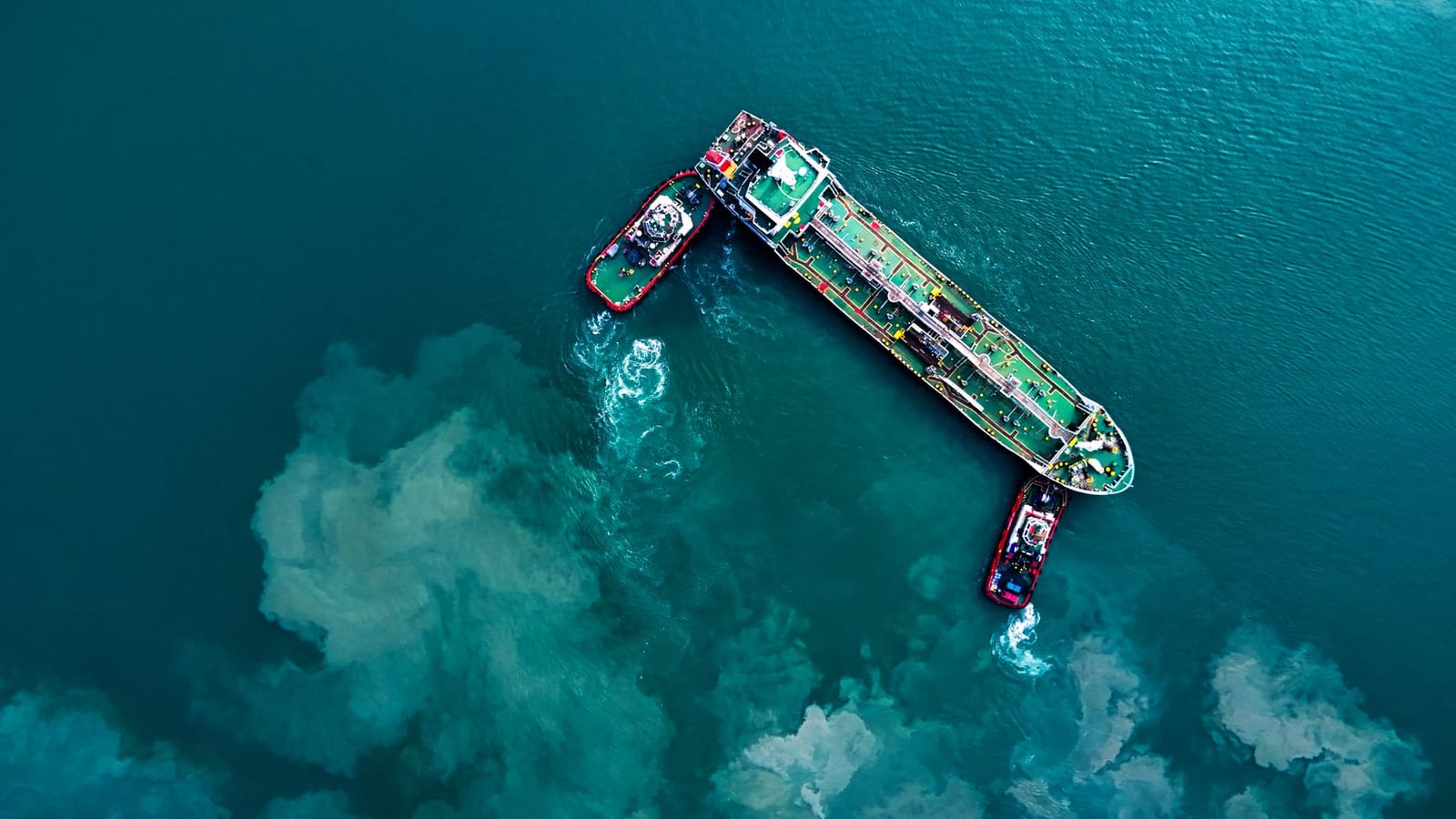
Tehran says it held useful talks with Oman on the Strait of Hormuz. That narrow waterway carries a huge share of the world’s oil and gas trade.
For India, Hormuz is not just a map point. It is the route behind petrol prices, aviation fuel, fertiliser costs, and inflation.
Iranian foreign ministry spokesperson Esmaeil Baghaei said both sides discussed safe navigation in the strait. He also said traffic had not changed.
That one detail will interest New Delhi more than many speeches. If ships keep moving, markets stay calmer. If shipping gets risky, insurance costs rise first. Then crude rises. Then everyone pays.
A small trader in Indore or Coimbatore may never follow Gulf military alerts. But diesel costs still decide freight bills. Freight bills decide vegetable prices. This is how foreign policy reaches the kitchen.
New fronts complicate diplomacy
The crisis is not limited to U.S. strikes and Iranian responses. Tehran has accused Ukraine of attacking an Iranian commercial vessel in the Caspian Sea.
Iranian Foreign Minister Abbas Araghchi said one sailor was killed. He accused Ukraine of acting at Israel’s request, and said Iran would respond.
Ukrainian President Volodymyr Zelensky said his forces had achieved results with long-range strikes in the Caspian. Ukrainian intelligence claimed the targets carried military cargo linked to Iran and Russia.
This adds another dangerous layer. The Russia-Ukraine war and the West Asia war now touch each other more openly.
The Houthis in Yemen also claimed they shot down a Saudi reconnaissance drone. Their statement came after renewed hostilities with Saudi Arabia, which resumed on July 13.
Lebanon’s army has accused Israel of continuing attacks in the south. It said those operations were blocking its planned deployment under a June agreement.
So the region now looks less like one war and more like several linked fires. Each side says it is responding. Each response gives someone else a reason to strike.
Civilians carry the real cost
Pope Leo XIV again called for negotiations after Sunday’s Angelus prayer. He spoke of civilians in Gaza and the West Bank, and warned about water and power shortages.
That warning should not be treated as soft background music. Wars in West Asia often move from missile exchanges to daily collapse.
Power cuts mean hospitals struggle. Water shortages mean disease spreads. Ports slow down. Families flee. Workers lose wages first, and political speeches rarely mention them.
India has a direct human stake here. Millions of Indians live and work across the Gulf. Many support families in Kerala, Telangana, Uttar Pradesh, Bihar, Punjab, and Maharashtra.
When the region shakes, they do not ask grand strategic questions. They ask whether flights will run, salaries will arrive, and their employers will stay open.
New Delhi will watch this pause with caution. India cannot afford a full-blown Gulf shock while managing energy demand at home.
The larger message is clear. The old world, where America could strike and then control the script, is fading. Regional powers, militias, shipping routes, and distant wars now shape the outcome together.
For ordinary Indians, the hope is simple. Let the talks hold, let the ships move, and let the price board at the petrol pump stay boring. In this crisis, boring would be excellent news.