Putin Boosts Troop Levels as Drone War Intensifies
Russia said it downed 182 Ukrainian drones as Putin ordered more troops, underscoring risks for energy markets, defence planning and global power.
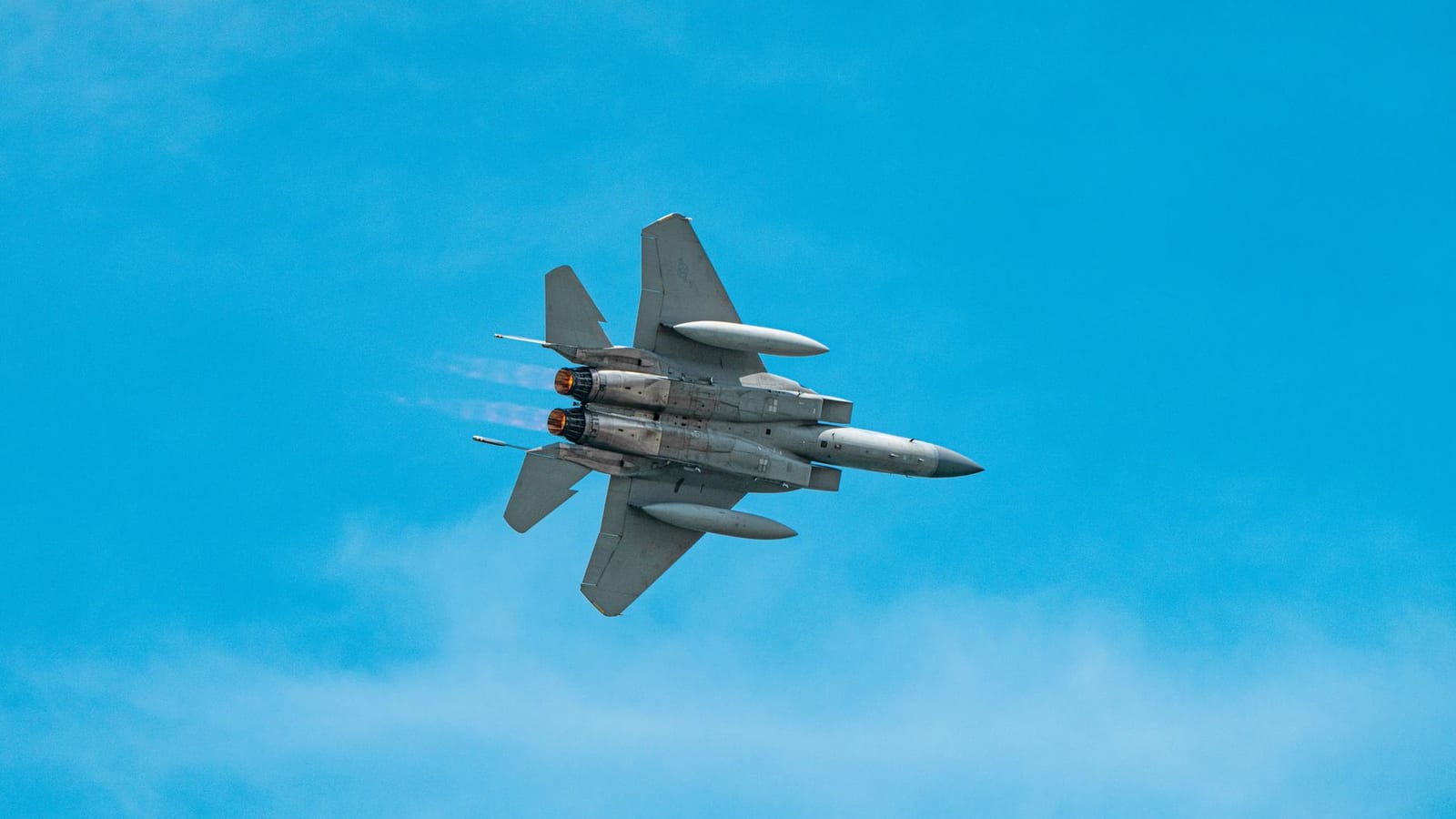
A drone war now decides how millions sleep across Ukraine and Russia. On Monday, Moscow said it had shot down 182 Ukrainian drones in just 12 hours.
That number tells us something larger than one day’s battlefield tally. This war has moved deep into power grids, oil terminals, rail lines, ports, and border skies.
For India, this is not a faraway European tragedy anymore. It touches oil prices, defence planning, food markets, and the shape of global power.
Russia expands its war machine
Vladimir Putin signed a decree on Monday to increase Russia’s armed forces from August 1. The order allows total personnel to rise to 2,426,130, including 1,535,000 military staff.
That means 25,000 more troops than the current level. It is also the third such increase this year, which says plenty.
Moscow insists it does not need a formal mobilisation. Andrei Kartapolov, who heads the defence committee in Russia’s lower house, said volunteers remain the main route.
But Volodymyr Zelensky has given a very different reading. He told Sky News that Putin could prepare a mobilisation of 300,000 to 500,000 men after Russia’s September 21 legislative elections.
Strip away the politics, and the message is simple. Both sides expect a long war, not a quick settlement.
Drones hit deeper targets
Russia’s defence ministry said it intercepted 182 Ukrainian drones between 8 am and 8 pm Moscow time. It said the drones were stopped over Russia, Crimea, the Azov Sea, and the Black Sea.
Moscow usually announces interceptions, not damage. So these claims show scale, but not the full result.
Ukraine’s unmanned systems commander, Robert Brovdi, said Ukrainian forces had hit 18 electrical substations in Russian-held territory since Saturday. He said 14 were in Crimea.
Since July 1, he added, 154 power facilities had been targeted. Zelensky also said Ukrainian forces struck an oil export terminal in Russia’s Rostov region.
He said other oil infrastructure was hit in Yaroslavl and Udmurtia. These are not small symbolic targets near the front.
This is the new logic of the war. If tanks cannot break through quickly, drones can still stretch an enemy’s nerves and logistics.
For Indian planners, that lesson matters. Cheap drones now threaten expensive assets, fuel networks, and civilian infrastructure.
Civilians remain in the firing line
While military maps show arrows and zones, civilians see broken windows, dark streets, and funerals.
Ukrainian regional officials said Russian artillery and drone attacks killed three people and wounded six in Dnipropetrovsk on Monday. In Nikopol district, officials said a hospital, apartment blocks, and business premises suffered damage.
In Kharkiv region, Governor Oleh Synehoubov said Russian shelling killed one civilian and wounded four in Balakliia. The town lies about 60 kilometres from the front line.
Ukraine’s rescue services said three bodies were recovered from destroyed homes in Bilenke, near Kramatorsk. Rescuers worked for nearly 17 hours and cleared 25 tonnes of debris.
A railway worker also died in Donetsk region. Ukrzaliznytsia chief Oleksandr Pertsovskyi said a Russian attack drone struck a team repairing damaged track.
These details matter because infrastructure repair is now frontline work. A railway worker, a hospital staffer, or a power technician can face the same danger as a soldier.
That should sound familiar to Indians who remember crises at home. When systems fail, ordinary workers become the last line of public life.
Allies widen the technology race
The United Kingdom will supply Ukraine with electronic warfare technology, Zelensky said after speaking with British Prime Minister Andy Burnham.
In plain English, electronic warfare means tools that jam, confuse, or shield drones and communications. In this war, that can decide whether a drone reaches its target.
Zelensky said the support would help on the battlefield. He also said the two countries could do more together in drones and other technologies.
This points to a wider shift. Western help is no longer only about tanks, missiles, or ammunition. It is about software, signals, sensors, and drone survival.
India should watch this closely. Our own defence debates often focus on big platforms. But future wars may turn on cheaper systems, faster production, and better electronics.
Meanwhile, the war is spilling into sensitive neighbourhoods. Romania’s government ordered the expulsion of a Russian embassy staff member after repeated drone incursions.
A Romanian F-16 shot down a third drone in three days over the Black Sea on Sunday. That is exactly how regional wars test the nerves of alliances.
Iran also entered the picture sharply. Its foreign ministry spokesman, Esmaeil Baghaei, called an alleged Ukrainian attack on an Iranian ship in the Caspian Sea a dangerous move.
He said Iran would respond. The statement shows how the Ukraine war keeps brushing against other fault lines.
India’s stake is not abstract
For India, the first question is energy. When Ukrainian drones hit Russian oil infrastructure, markets watch closely.
India buys large volumes of discounted Russian crude. Any disruption can affect refiners, pump prices, and inflation expectations at home.
The second question is diplomacy. India has ties with Russia, growing links with the West, and deep concerns about China. The Ukraine war sits across all three.
The third question is technology. Drones, jammers, satellites, and cyber tools now shape the battlefield faster than old doctrines can adjust.
There is also a lesson in resilience. Power stations, rail lines, ports, and fuel depots are not background assets anymore. They are strategic targets.
That matters for India’s cities, border states, and industrial corridors. A modern conflict may first test the systems that keep daily life moving.
So when Moscow says it shot down 182 drones, we should not read it as one more grim war update. We should read it as a warning from the future.
The next phase of global conflict may look less like a grand invasion and more like a thousand small strikes on ordinary life. India cannot stop that world from changing, but it can prepare better than most.