Trump Ties US Housing Relief Bill To Voting Measure
Trump refused to sign a bipartisan US housing bill until the Senate acts on his voting measure, turning cost-of-living relief into a political standoff.
A housing bill meant to ease pressure on American families has become hostage to a voting fight.
For Indians watching from far away, this may look like another Washington drama. But it says something larger. The richest democracy is struggling to pass basic economic relief without dragging elections, war, and party loyalty into the same room.
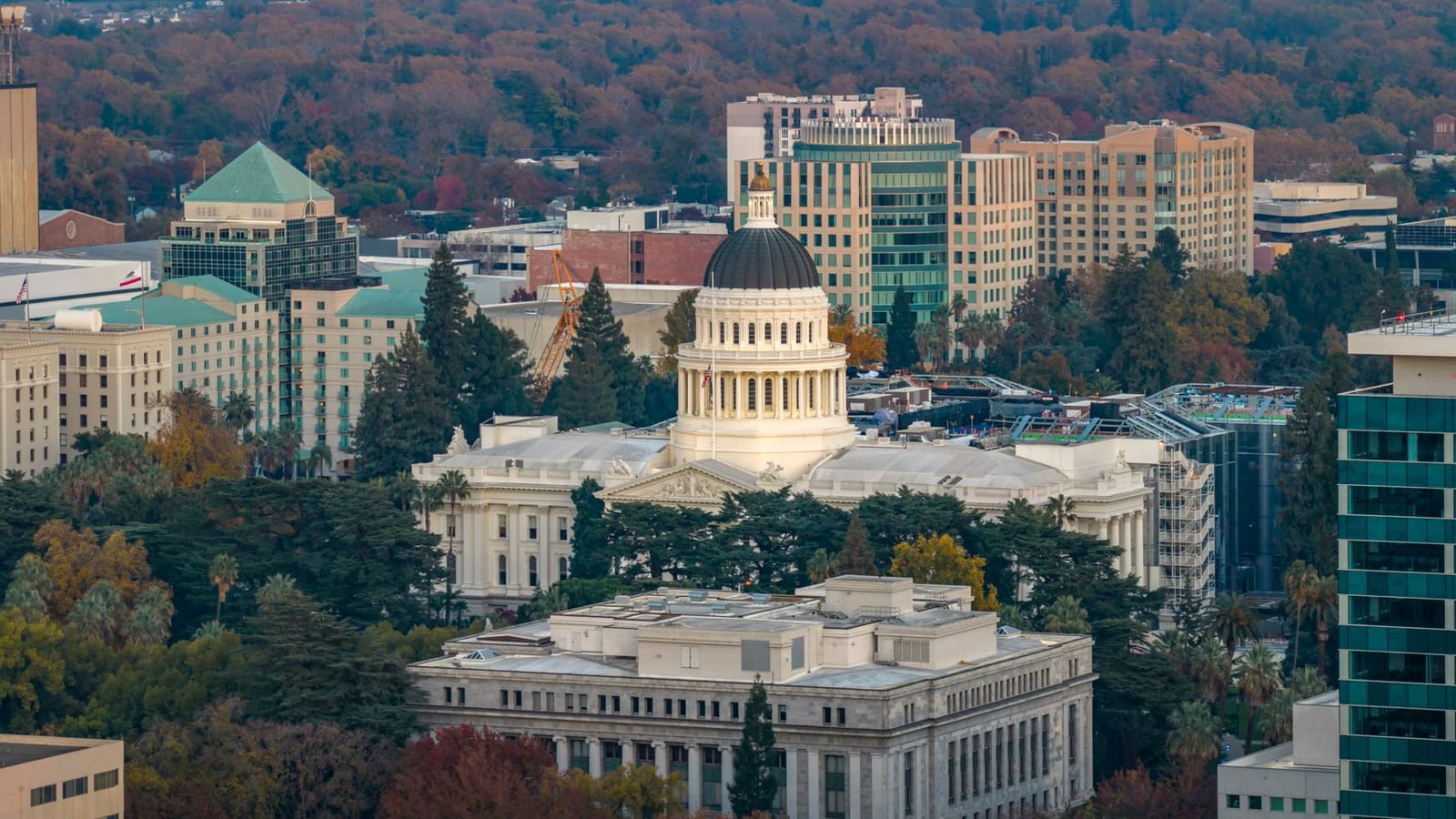
Donald Trump refused on June 24 to sign a new housing law unless the US Senate moved first on his voting bill. He called the voting measure a national emergency. The housing ceremony at the Capitol was cancelled less than two hours before it was to begin.
Housing relief meets election politics
The housing law had rare support from both parties in Congress. It aimed to make home construction easier by cutting delays and relaxing some building rules.
In plain English, America needs more homes. When supply stays tight, rents rise, mortgages hurt more, and younger families keep waiting.
The bill would also speed up environmental reviews for housing projects. That matters because approvals often take years, even when land and money exist.
Republicans had hoped to show voters they were acting on living costs. The mid-term elections in November are already shaping up around inflation, housing, and household strain.
Trump, however, dismissed the housing bill as less important. His message was blunt. Pass the voting bill first, or the housing photo-op can wait.
That is risky politics. Families do not experience “housing supply” as a policy phrase. They experience it as a rent cheque, a delayed home loan, or a bedroom shared too long.
Indian readers know this feeling well. From Mumbai to Bengaluru, housing can become the one expense that eats the whole salary.
Trump’s voting bill hits resistance
The bill Trump wants is called the SAVE America Act. It would require voters to show proof of US citizenship while registering.
It would also require identification when voting in federal elections. Supporters argue this would make elections more secure.
Critics say non-citizens already cannot vote in US federal elections. They fear the bill may make voting harder for minorities and poorer Americans.
The fight sits inside Trump’s long-running claim that the 2020 election was stolen from him. Courts and election officials did not support that claim.
Still, the claim has become a central part of his politics. It now shapes how he deals with his own party in Congress.
The problem for Trump is simple arithmetic. Under current US Senate rules, this kind of bill needs 60 votes out of 100.
Republicans do not appear to have that number. Some party leaders have reportedly told Trump the bill cannot pass in its present form.
Trump wants Republicans to scrap the 60-vote rule. Democrats, he argued on Truth Social, would do it quickly if they returned to power.
This is where the story gets bigger than one bill. A democracy changes character when rules become obstacles to be removed.
India has seen its own arguments over voter rolls, IDs, and election trust. So the American debate feels familiar, even if the system differs.
Iran war divides Republicans
The Capitol visit also exposed anger over the Iran war. Some Republican senators had backed a symbolic resolution calling for US troops to leave Iran.
Trump confronted them during the meeting. The exchange reportedly grew tense.
Louisiana Senator Bill Cassidy later told reporters that Trump had not explained the war clearly to Americans. Cassidy said the war was meant to last four weeks, but had stretched to four months.
He also said the original goals had not been met. His question was direct: what exactly is happening?
Trump left the meeting visibly irritated. He told journalists he did not like some people, adding that they knew who he meant.
That line may sound casual. In Washington, it carries weight. A president angry with his own senators can freeze legislation, nominations, and campaign support.
For India, the Iran angle is not distant theatre. Any prolonged conflict involving Iran can affect oil prices, shipping routes, and inflation expectations.
India imports a large share of its energy needs. When West Asia shakes, fuel prices and trade calculations in New Delhi move quickly.
The housing bill itself is domestic American policy. But the inflation behind it is global. War, energy, supply chains, and interest rates now sit in one basket.
That is why this Capitol clash matters beyond America. It shows how foreign policy can leak into kitchen-table economics.
Why India should watch closely
Washington likes to lecture the world on institutions. Yet this episode shows how even mature systems bend under partisan pressure.
A housing law with broad support should have been easy. Instead, it became bargaining power for a voting bill that may not pass.
This tells us something about the new global mood. Domestic politics now drives foreign policy, economic policy, and even procedural rules.
For Indian businesses, the signal is clear. US political risk is no longer just about elections every four years.
It can affect trade sentiment, technology regulation, defence priorities, and capital flows. A distracted Washington also changes how allies plan.
For Indian students, workers, exporters, and investors, US stability still matters. America remains a huge market and a major policy setter.
When its government struggles to separate housing from voting and war, the ripple can travel further than expected.
There is also a lesson in political messaging. Voters may tolerate ideology, but they usually punish neglect of everyday costs.
Housing sits near the heart of that anger. In the US, as in India, people measure leadership by rent, jobs, prices, and security.
Trump may still get the housing law enacted without signing it. If Congress remains in session, the bill can become law after ten days.
But the symbolism will remain. A bill meant to help families buy or rent homes became another battlefield in America’s trust crisis.
For ordinary readers, the takeaway is not that America is collapsing. That would be too easy and too dramatic. The sharper point is this: even powerful democracies can lose sight of basic citizen pain when leaders turn every file into a loyalty test.