Trump's Iran Funding Push Puts Oil and Air Routes at Risk
Trump's fresh Iran conflict funding request could raise oil, insurance and air-route costs, bringing a distant war closer to Indian households.
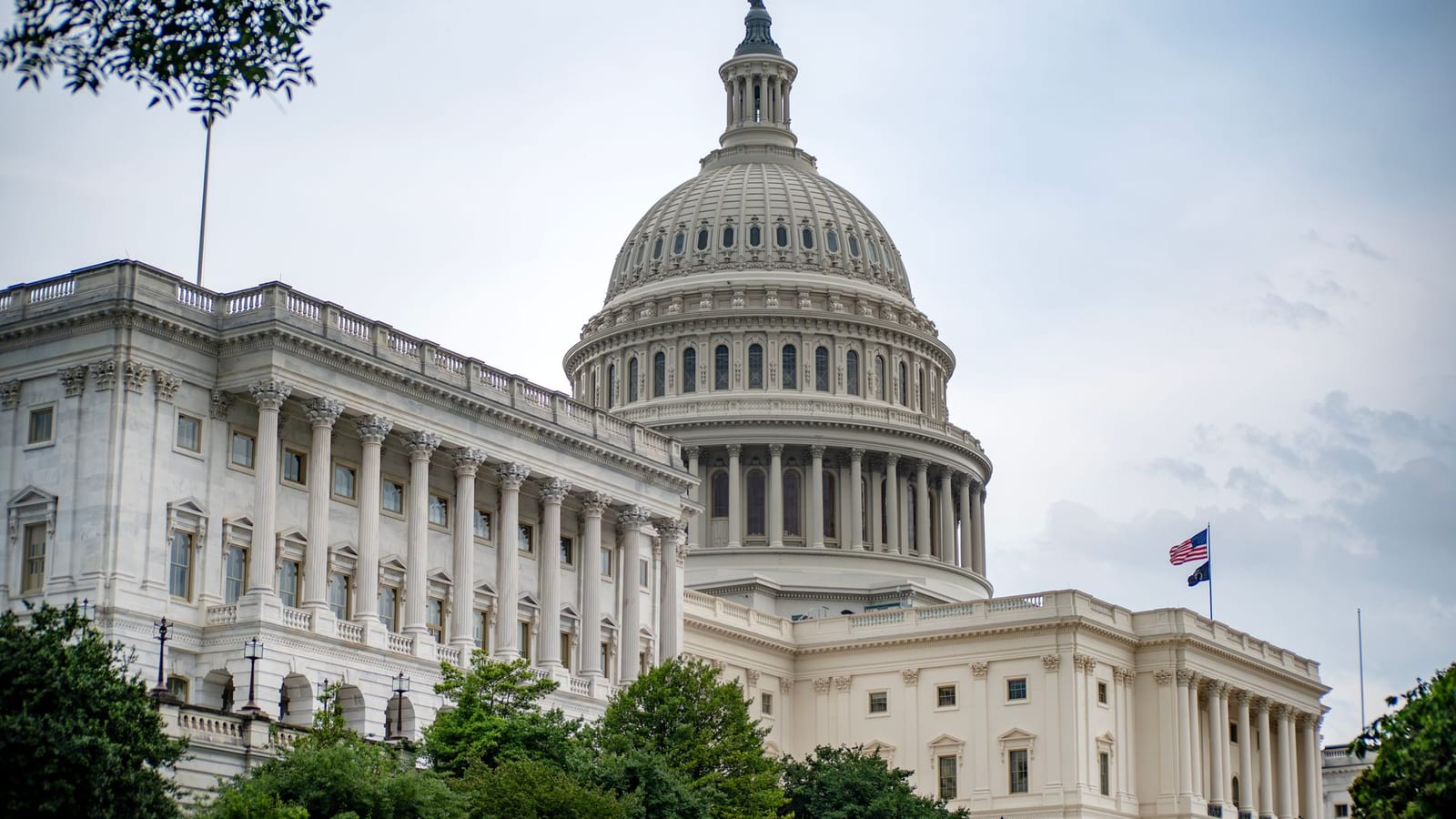
The 87.6 billion dollar request tells Americans one thing: this war has reached the kitchen table.
US President Donald Trump has asked Congress for fresh money, with most of it tied to the Iran conflict. The White House says the cash will pay for military operations, weapons, readiness, and secret defence work.
For India, this is not distant noise from Washington. A longer Iran war can touch oil prices, air routes, insurance costs, and family budgets.
Trump asks for war money
The request went to lawmakers on June 24. It seeks 87.6 billion dollars in extra funding outside the normal budget cycle.
That kind of bill is called a supplemental request. In simple terms, it means the government wants more money after regular spending plans are already moving.
The defence portion alone stands at 67.15 billion dollars. That comes after nearly 1 trillion dollars approved last year, and another 1.5 trillion dollars sought for the next fiscal cycle.
The White House says 21 billion dollars will go towards munitions, defence production, and critical military capabilities. That means missiles, ammunition, equipment, factories, and systems needed to keep the war machine running.
Congress questions the war
The money has landed in a tense Congress. On June 23, the Senate passed a war powers resolution asking Trump to stop military action against Iran.
A similar measure had already cleared the House weeks earlier. Some Republicans joined Democrats, which matters in a sharply divided Washington.
War powers may sound like legal textbook language. It is really about one basic question: who gets to take a country into war?
The US Constitution gives Congress the power to declare war. Presidents often argue they need speed and flexibility. That old fight has returned, with Iran at the centre.
Lawmakers from both parties say the Trump administration has not briefed them properly. They also question whether the president has crossed constitutional limits.
Tensions spilled into a Republican meeting at the Capitol on June 24. Trump reportedly clashed with Senator Bill Cassidy, who backed the resolution against the war.
Republicans face an awkward vote
The timing makes this request harder for Republicans. The United States heads into the November 2026 midterm elections soon.
Public support for the Iran war remains weak, according to the political mood around Capitol Hill. That puts Republican lawmakers in a tight spot.
If they back Trump, they own the war bill. If they resist him, they risk angering his base.
Senate Democratic Leader Chuck Schumer has argued that Washington should focus on domestic economic worries. His point is simple enough: families feel prices before they feel foreign policy.
Senator Patty Murray took a more careful line. She said military personnel need support, but Congress should not approve extra war money without scrutiny.
That distinction matters. Nobody wants to sound anti-soldier. But many lawmakers do not want to sign a blank cheque either.
The package carries extras
The request is not only about defence. It also includes 1.4 billion dollars for the Ebola outbreak response in Africa.
There is 11.1 billion dollars for American farmers. Another 1 billion dollars would assist former Delphi workers with pensions.
The package also seeks 500 million dollars for construction work around Washington. New York’s Penn Station would get another 1 billion dollars for reconstruction.
This is how big spending bills often work. A war request arrives with domestic items attached, which makes voting against it politically tricky.
One lawmaker may dislike the Iran spending. Another may want farm aid. A third may care about pension support. The bill then becomes a bundle of pressure points.
Why India should watch
Indian readers may wonder why this matters here. The answer starts with oil and travel.
India buys much of its crude from abroad. Any prolonged conflict around Iran can make energy markets nervous, even before prices jump sharply.
Airlines also watch the region closely. Flights between India, Europe, and North America often depend on Middle East routes and Gulf hubs.
If insurers see higher risk, airlines can face higher costs. If routes shift, passengers may see longer journeys or pricier tickets.
For a student flying to the US, a working couple planning Europe, or a family visiting relatives in the Gulf, geopolitics can become a fare alert.
There is also the wider trade effect. Higher fuel costs can raise transport bills across supply chains. That can quietly show up in everyday prices.
Washington’s fight over 87.6 billion dollars is therefore not just an American budget drama. It is a reminder that wars travel farther than armies. They move through oil markets, airline schedules, shipping lanes, and monthly household expenses. For ordinary Indians, the key question is not only whether Trump gets the money. It is how long this conflict lasts, and how much of its cost the rest of the world ends up carrying.