Ruchita Jadhav Builds Villa Rental Business in Maharashtra
Marathi actor Ruchita Jadhav says her family rents more than 100 furnished holiday bungalows across Maharashtra weekend destination towns.
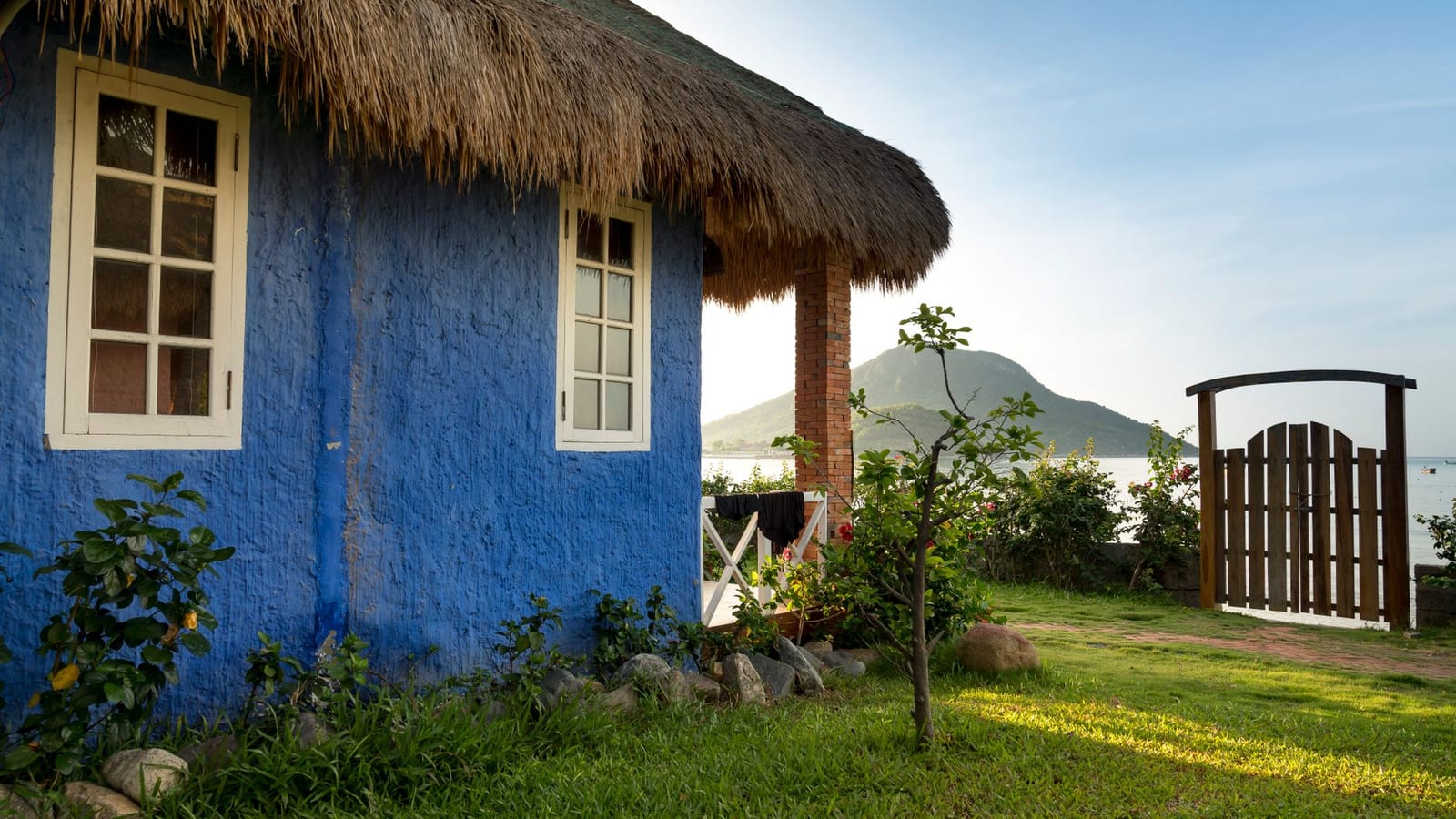
A holiday home sounds glamorous until someone has to fix the pool pump.
That, in a neat way, is the business story behind Ruchita Jadhav, the Marathi actor who has moved from television sets to weekend villas. She says her family now rents out more than 100 furnished bungalows across Maharashtra’s favourite short-break towns.
For viewers, she may still be Kavya from Love Lagna Locha. For the market, she now sits in a far more practical business. It is the business of turning idle property into paid stays.
From actor to property operator
Ruchita had built a steady career in Marathi television and films. She worked in shows like Yek Number, Love Lagna Locha and Mazhiya Priyala Preet Kalena. She also appeared in the Hindi historical serial Veer Shivaji.
After her marriage to Mumbai businessman Anand Mane in May 2021, her public life shifted. She moved away from regular acting work and entered the family’s real estate business.
Ruchita said Anand already worked in real estate. Their projects included weekend homes, where the family often kept one bungalow for itself.
Over time, that created a simple but powerful problem. The family had many homes sitting inside strong holiday markets. The question was no longer whether they owned property. It was how to make those properties earn.
Why weekend homes matter
This is where the story becomes bigger than one actor’s career switch. Weekend homes have become a serious business in Maharashtra.
For upper-middle-class families in Mumbai and Pune, a quick hill-station or beach break has become routine. Hotels feel crowded. Resorts feel expensive. Villas offer privacy, kitchens, pools and group space.
Ruchita said the family has seven to eight bungalows in Mahabaleshwar. She also mentioned properties in Karjat, Lonavala and Alibaug. Together, she said, the count crosses 100 bungalows.
That is not a hobby portfolio. That is an operating business.
The model is easy to understand. A bungalow that remains locked earns nothing. A furnished bungalow with a pool can earn rental income each weekend. Add basic service, online booking and clean photos, and it becomes a product.
For small towns, this model creates another chain. Caretakers, cleaners, drivers, cooks, laundry vendors and local shops all get work. A family booking a villa may also buy groceries, fuel and meals nearby.
But the model also brings pressure. Popular destinations face water stress, waste issues and rising land prices. When too many private homes become short-stay rentals, local housing markets can heat up.
The business model she described
Ruchita said she saw many properties across the family network. Her parents also had hostels in Pune and shops given on rent. That background matters. Rental income was not a new idea for her.
She then asked a basic business question. If shops and hostels can be rented, why not bungalows?
She said she started a company and made the properties available on rent. She furnished the homes, added comforts and improved facilities. Swimming pools were among the features she mentioned.
That last part is important. In holiday rentals, the asset alone does not sell. The experience sells.
A plain house may fetch a modest rent. A clean villa with furniture, pool access and usable amenities can command a premium. The gap is not just construction cost. It is packaging, maintenance and trust.
Ruchita said the business began as a small company. It has now grown, and an app is also planned.
That app could matter. Most short-stay customers now discover properties online. They compare photos, prices, reviews and cancellation rules within minutes. A direct app can help a business reduce dependence on listing platforms.
Still, an app alone does not build trust. Guests care about whether the place looks like the photos. They care about hygiene, water, safety and quick support. One bad stay can travel faster than one good advertisement.
Celebrity, capital and credibility
Actors entering business is not new. Some open restaurants. Some launch fashion labels. Some invest in gyms, salons or real estate. What stands out here is the asset-heavy nature of Ruchita’s move.
This is not a brand built only on fame. It needs land, buildings, staff, maintenance, bookings and repeat customers. Fame may bring attention, but operations decide the business.
Her husband’s real estate background clearly gave the venture a strong base. She also said he gifted her a company, which she now owns. That detail has drawn attention because it sounds unusual and dramatic.
But the harder work begins after ownership. A company is only a container. The real test lies in occupancy, pricing, service quality and cash flow.
For customers, the celebrity link may create curiosity. But holiday homes remain a trust business. Families want safe stays. Groups want privacy. Young professionals want value without hidden charges.
For local vendors, a well-run rental network can mean steady work. For neighbours, it can mean noise, traffic and unfamiliar visitors. That balance will shape how such businesses grow in holiday towns.
The short-stay rental market also sits in a grey zone in many places. Rules on permissions, taxes, safety and local approvals can vary. Larger operators will have to stay careful as scrutiny increases.
Ruchita’s second act shows a wider shift in how wealth now works in entertainment circles. Visibility may build a name, but assets build income. The sharper players know the difference. For ordinary readers, the lesson is simpler. A locked property is a cost. A well-managed property can become a business, but only if someone treats it like daily work, not weekend glamour.