Extreme US heat puts New York, Washington on alert
Millions across the eastern United States face dangerous heat and humid nights, with New York and Washington under alerts through the holiday weekend.
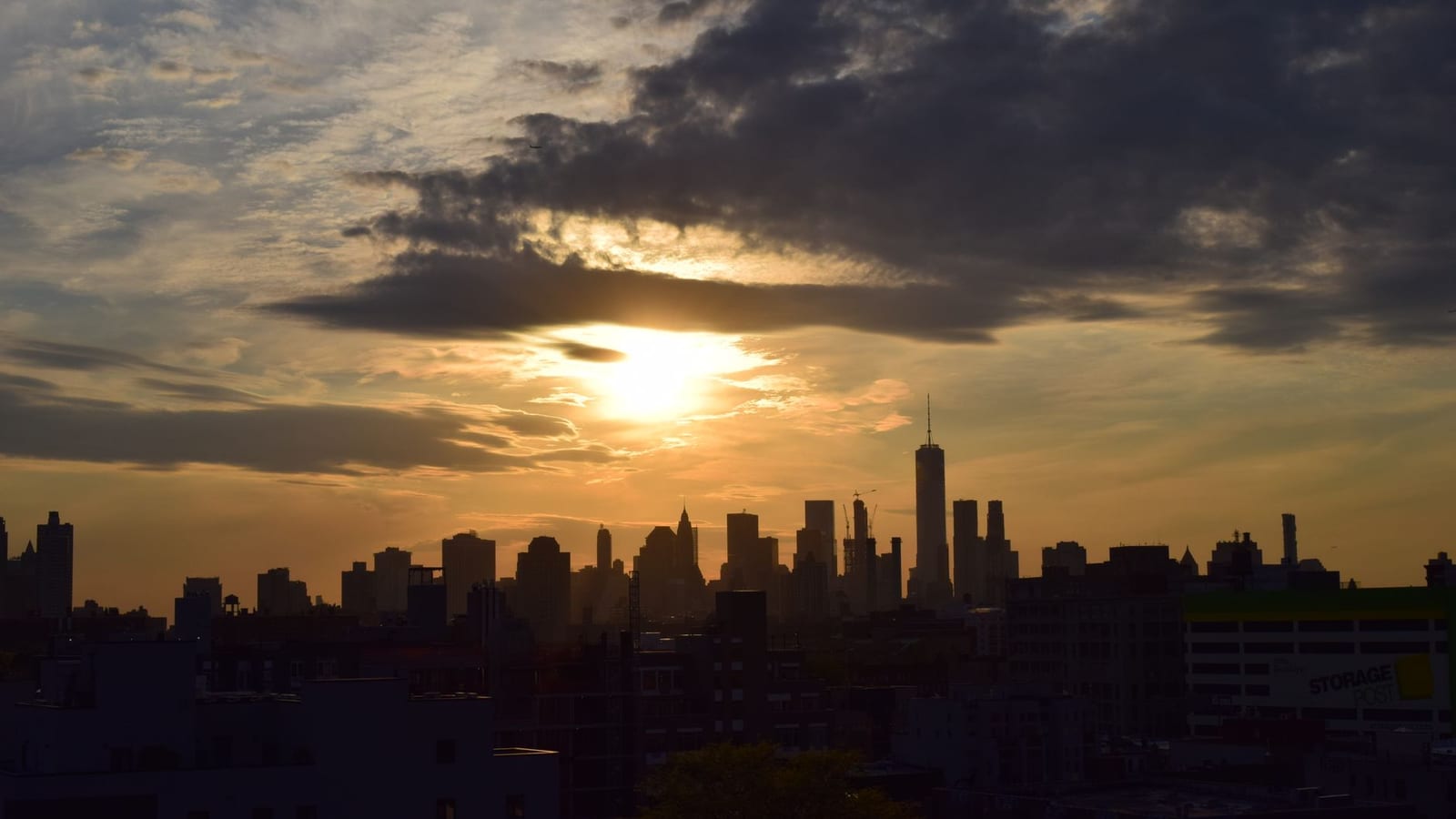
The most dangerous part of this American heatwave may arrive after sunset.
Across the eastern United States, millions are facing days of punishing heat, with New York and Washington among the cities on alert. The numbers look brutal even by Indian summer standards. New York could feel like 43°C, while nearby areas may touch 46°C.
For Indians, this is not just a faraway weather story. It is a reminder that rich countries also struggle when heat, humidity, power demand, sport, and public events collide.
America faces a long hot spell
The National Weather Service has warned that dangerous, record-level heat will grip much of the central and eastern United States. The worst stretch could last through Friday, then settle over the east during the Independence Day weekend.
That timing matters. The United States is preparing major outdoor events for the 250th anniversary of its Declaration of Independence. It is also hosting football World Cup matches along with Canada and Mexico.
Weather officials said several daily temperature records could fall. They also warned that humidity will make the heat feel worse. Anyone who has spent May in Delhi, Nagpur, or Bhubaneswar knows this trick well. The thermometer tells one story. The body hears another.
New York Mayor Zohran Mamdani warned residents that the city may face its most extreme heatwave in more than a decade. That warning carries weight because big cities trap heat. Concrete, glass, roads, traffic, and crowded housing turn hot days into hotter nights.
The night offers little relief
Heatwaves become deadlier when nights stay warm. The body needs cooler hours to recover. When that break disappears, stress builds, especially for older people, children, outdoor workers, and those with existing health problems.
The United States has air conditioning in most buildings. Yet heat still kills more people there than hurricanes and floods. That fact often surprises readers. Storms look dramatic on television. Heat works quietly, inside homes, on pavements, at bus stops, and in small rooms.
Tourists face another risk. People who arrive from cooler places may not understand what humid heat does. They may walk too long, drink too little water, or underestimate how fast exhaustion sets in.
This is where India should pay attention. We know heat well, but we also know its unfairness. A person in an air-conditioned office experiences summer differently from a delivery rider, a street vendor, or a construction worker. America’s crisis shows that money helps, but it does not make heat harmless.
Power grids feel the pressure
The heat is also testing basic infrastructure. The weather service in New York warned that electricity and water services could face pressure. That is the boring line in an alert that often becomes the real story.
In Chicago, power supplier ComEd said the grid was under extreme strain. It asked customers to cut electricity use immediately. That is a familiar request in a heatwave. Everyone switches on cooling at the same time. The grid then has to carry a sudden, heavy load.
In New York, Mamdani faced criticism after asking residents to unplug unused electronic devices. He also asked people to set air conditioners at 78°F, or about 25.5°C, instead of colder levels.
That request will sound familiar to Indian households. Every summer, families debate the AC setting like it is a domestic budget meeting. Set it too cold, and the bill hurts. Set it too high, and sleep suffers.
But at city scale, that small setting can matter. Millions of air conditioners running harder can push demand sharply higher. A few degrees on the remote can become the difference between a stressed grid and a failing one.
Football meets furnace conditions
The heatwave could also affect the FIFA World Cup, which is being staged across the United States, Canada, and Mexico. Some stadiums have roofs, air conditioning, or both. Venues in Atlanta, Dallas, and Los Angeles offer more protection.
Many others remain open to the sky. Philadelphia is one of them. France is scheduled to play Paraguay there on Saturday in a round-of-16 match at 5 pm local time. The city is under a heat alert, with temperatures expected between 35°C and 40°C until Saturday.
For players, this is not just discomfort. Heat changes the pace of a match. It affects running, recovery, concentration, and decision-making. Coaches may have to think about water breaks, substitutions, and the risk of cramps or heat illness.
For spectators, the problem is different but serious. Fans sit for hours, often with limited shade. Many drink alcohol, which can worsen dehydration. Older supporters and children can struggle before they realise something is wrong.
Toronto is also feeling the impact. Portugal and Croatia were due to play there on Thursday evening. With daytime highs expected around 34°C to 37°C, officials cancelled a big-screen public viewing in the city centre. The fan zone, however, remained open.
Why India should watch closely
This American heatwave lands at a time when every country is learning the same lesson. Heat is no longer just a weather event. It is a planning challenge, a health challenge, and an economic challenge.
For India, the parallels are clear. Our cities already face longer summers, hotter nights, and rising cooling demand. Power grids strain during peak months. Hospitals see heat stress cases. Schools shift timings. State governments issue alerts. Yet daily life must continue.
The American example also exposes a global imbalance. Wealthy cities can buy cooling, upgrade grids, and issue alerts. Poorer regions often have fewer choices. Even within rich cities, the most vulnerable still carry the heaviest burden.
There is also a sporting lesson. Big tournaments can no longer treat weather as a side note. Scheduling, stadium design, transport, medical support, and fan safety all need heat planning. Cricket in India has already had to think harder about extreme weather. Football now faces the same reality.
For ordinary readers, the message is simple. Heat is becoming a test of how well societies protect people when conditions turn hostile. The next few days in America will show how prepared its cities really are. The bigger question is whether countries, including India, will treat such warnings as rare alarms or as practice for the future.