Uttarakhand VIP car number sells for Rs 5.4 lakh
A VIP vehicle registration number in Uttarakhand fetched Rs 5.40 lakh at auction, showing how number plates are becoming status symbols.
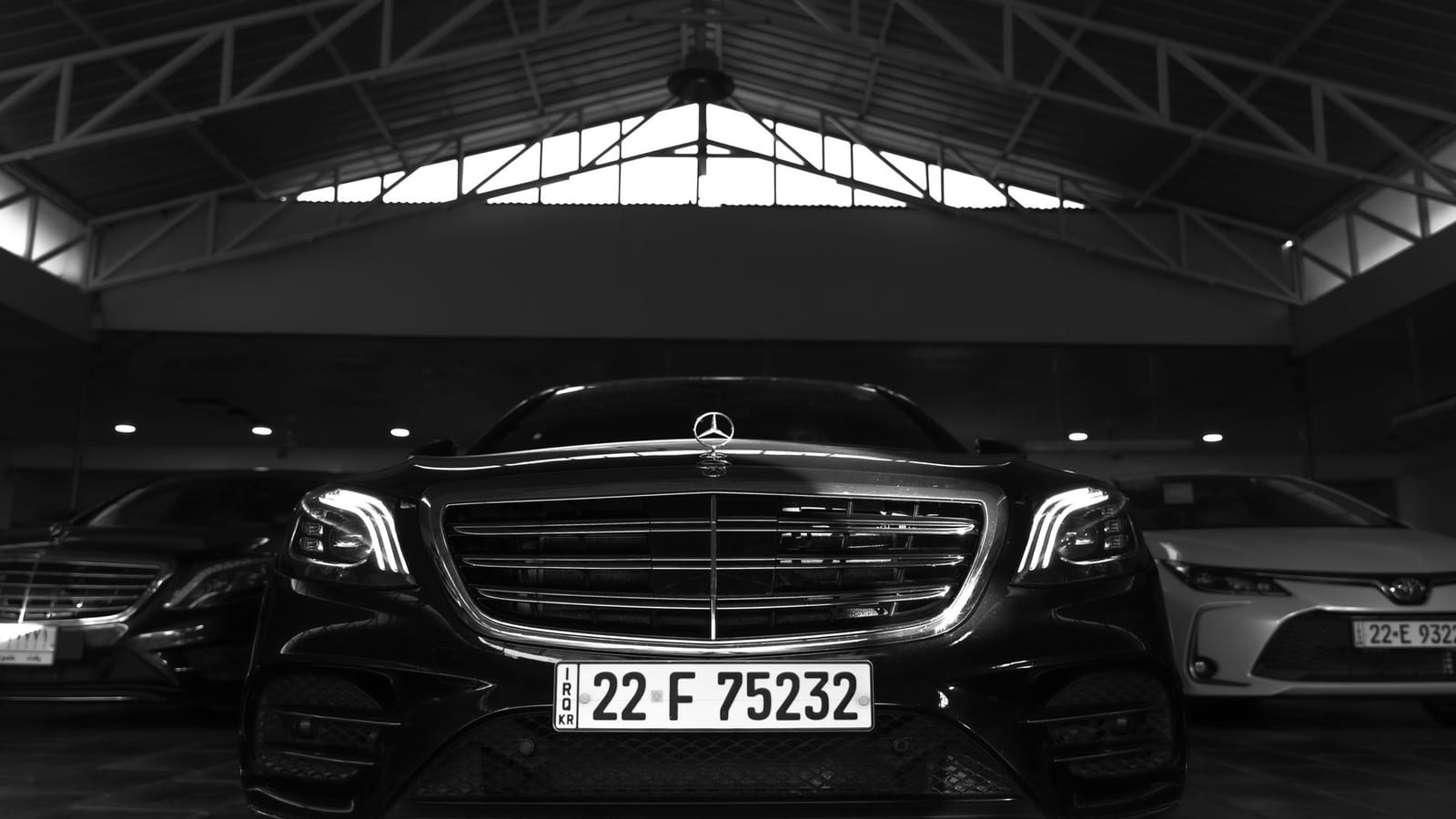
A vehicle number has just cost more than many second-hand cars.
In Uttarakhand, a VIP registration number went for ₹5.40 lakh in an auction. The car was not the headline. The number was.
That small detail says plenty about modern Indian status. Earlier, people showed taste through watches, phones, jewellery, or cars. Now, even a number plate can become a social signal.
VIP numbers become status symbols
For many Indian families, a car is still a milestone purchase. It marks arrival, comfort, and often, years of savings. But a VIP number sits one step above that.
It tells the street, the parking lot, and the wedding venue one thing. The owner did not just buy a vehicle. They also paid for distinction.
That is why such auctions attract attention. A number like 0001, 0007, or 9999 often carries emotional value. Some buyers link it to luck. Some link it to numerology. Some simply like being noticed.
The ₹5.40 lakh bid shows how taste has moved into smaller details. The rich do not only personalise homes and clothes now. They personalise identifiers.
In urban India, this has become common. People pay extra for phone numbers, car plates, sneaker drops, club tables, and wedding hashtags. The product matters. The display matters just as much.
Faith and identity on the road
Uttarakhand’s roads are already charged with identity this season. The Kanwar Yatra brings thousands of devotees, traders, transport workers, and police personnel into one moving public space.
Ravindra Puri appealed to kanwariyas to look for pictures of gods before eating at hotels. His statement sits in the same larger story. Public life is becoming more visibly coded.
A restaurant sign, a vehicle number, a saffron flag, a sticker on a windshield, all carry meaning now. People read them quickly. Sometimes too quickly.
For small hotel owners on pilgrimage routes, such signals can affect business. A family-run dhaba may depend on three peak weeks. A single perception can change footfall.
This is not only about religion. It is also about trust. On Indian highways, travellers often choose food by habit, faith, crowd, hygiene, or word of mouth.
The plate auction belongs to this same landscape. A number is not just a number. It becomes a marker of class, luck, taste, and belonging.
Travel gets pricier and flashier
The Delhi-Dehradun journey is also set to become costlier, with reports pointing to higher travel charges on the 80 km stretch. For regular travellers, that matters.
A student, a salaried worker, or a small business owner counts tolls differently from a VIP-number buyer. One person spends lakhs to stand apart. Another recalculates weekend trips.
That contrast is the real India story. Luxury and strain often sit on the same road.
In hill states, roads carry more than tourists. They carry schoolchildren, vegetables, medicines, wedding guests, migrant workers, and pilgrims. Any rise in travel cost touches daily life.
At the same time, smoother road links also reshape lifestyle choices. More Delhi-NCR families look at Dehradun, Rishikesh, and nearby towns as weekend spaces. Cafes, homestays, and boutique hotels follow.
This is where the VIP-number craze fits neatly. As mobility becomes aspirational, the vehicle becomes a public stage. The number plate becomes its calling card.
Social media fuels public display
The same state news cycle also had Saurabh Joshi back in discussion after comments linked to Prime Minister Narendra Modi’s video. That is no surprise.
Influencers now shape public taste as much as film stars once did. Their cars, homes, gadgets, complaints, and daily routines turn into social cues.
Young viewers notice everything. Which SUV appeared in a vlog. Which route someone drove. Which fuel issue sparked anger. Which number plate looked special.
This feedback loop is powerful. Offline status becomes online content. Online attention then increases offline status.
That is why a VIP number can feel larger than a transport-office transaction. It travels through WhatsApp, Instagram, and local conversation. People discuss the price before they discuss the car.
There is also a sharper side. Public visibility brings trolling, judgement, and quick outrage. Maharashtra’s Riya Ahir, who had earlier drawn attention after stopping a police van, later complained about trolling.
That case is separate. But the pattern is familiar. Modern public life rewards display, then punishes it when the crowd turns.
The new grammar of aspiration
India’s lifestyle story is no longer limited to malls and metros. It now appears in regional auctions, highway eateries, pilgrimage routes, coaching centres, and local social media feeds.
The ₹5.40 lakh number plate is not just indulgence. It is a clue.
It shows how aspiration has become more detailed. People want the right phone, the right route, the right café, the right darshan photo, the right reel, and now, the right registration number.
For older generations, status often meant owning an asset. For younger India, status often means curating the asset. The difference is subtle, but important.
This shift also creates pressure. When every choice becomes visible, ordinary people feel pushed to upgrade small parts of life. A number, a logo, a meal, a holiday, a home entrance, all become statements.
That is where the story becomes human. A VIP number auction may look like harmless vanity. In many ways, it is. But it also shows how public taste is changing.
India is getting richer in pockets, louder in display, and more personal in consumption. The next status symbol may not be a bigger car. It may be the smallest detail on it, noticed by everyone at the traffic light.