Iran-US Gulf Tensions Put Flights and Oil Routes at Risk
Iran-US tensions around Doha talks highlight risks for Gulf flights, oil routes and Indian travellers as Qatar pushes mediation with Washington.
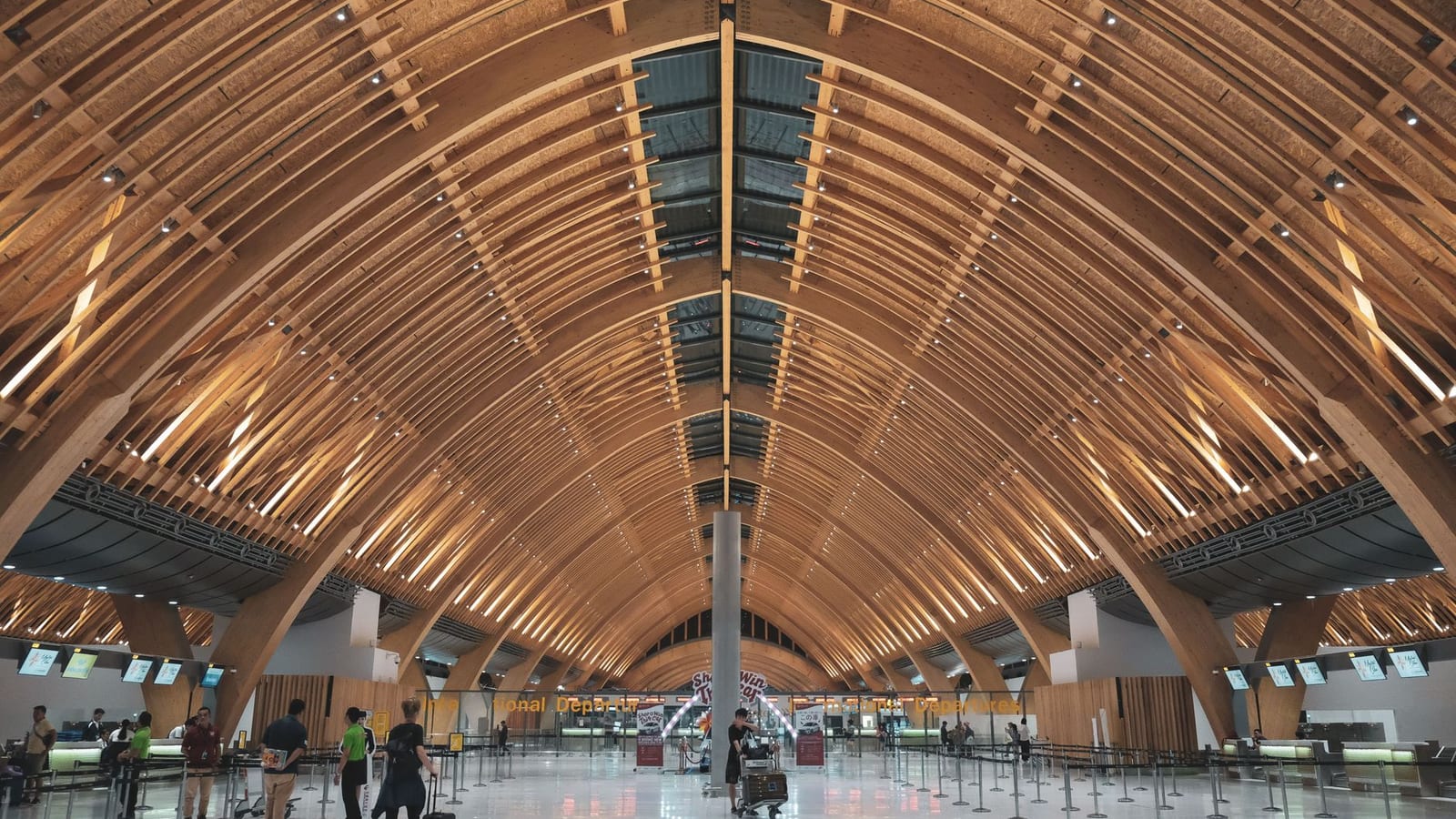
For an Indian family booking a Gulf connection, a sentence about Hormuz can feel far away. It is not.
Iran’s warning before the Doha talks matters because this region sits inside India’s daily life. Oil, flights, remittances, shipping, and weekend travel all pass through this tense neighbourhood.
Iran has said it still wants talks with the United States. But Mohammad Bagher Ghalibaf, Iran’s Parliament Speaker and chief negotiator, also said Tehran was ready for conflict if diplomacy collapsed.
Doha talks carry wider risks
The immediate stage is Qatar, where officials are trying to move forward on a memorandum between Washington and Tehran. Qatar has often played the patient middleman in West Asian disputes.
Qatari Prime Minister and Foreign Minister Mohammed bin Abdulrahman Al Thani discussed the talks with US envoy Steve Witkoff and Jared Kushner. Qatar’s Foreign Ministry said it would keep supporting dialogue linked to the memorandum.
That sounds neat on paper. In this region, paper promises often meet old suspicion very quickly.
Ghalibaf said Iran would not move to the next phase until key clauses take firm shape. He named Lebanon, oil exports, and passage through the Strait of Hormuz as central issues.
For Indian travellers, Doha is not just a diplomatic venue. It is a major transit point for flights to Europe, the US, and Africa. Any fresh military tension in the Gulf makes travellers watch routes, insurance costs, and delays more closely.
Iran draws nuclear red lines
Ghalibaf also repeated Iran’s long-held position on its nuclear programme. Tehran says uranium enrichment remains its right under global nuclear rules.
He argued that Iran follows the Nuclear Non-Proliferation Treaty and remains under the International Atomic Energy Agency’s watch. In simple terms, Iran says it accepts inspections, but will not give up enrichment.
That is the difficult part. The US and its allies fear enrichment can shorten the road to a nuclear weapon. Iran says it needs the technology for peaceful purposes and national strength.
This argument has dragged on for years. The 2015 nuclear deal, known as the JCPOA, tried to freeze the dispute through limits and inspections. Iran now questions whether outside guarantees can be trusted.
For ordinary people, this may sound like elite diplomatic grammar. But it has real costs. When nuclear talks fail, sanctions return, oil markets jump, and airlines rethink fuel budgets.
A young professional planning a holiday does not track uranium levels. But she does notice when fares rise, visas feel riskier, or family elders warn against travelling through a tense region.
Lebanon clause becomes flashpoint
One striking part of Ghalibaf’s comments was his focus on Lebanon. He said the memorandum includes a US commitment to end the war there and protect Lebanon’s sovereignty.
Iran sees Lebanon as a core strategic concern. Washington sees the same theatre through Israel’s security lens. That gap has shaped West Asian politics for decades.
Ghalibaf accused US Secretary of State Marco Rubio of pushing Lebanon towards normalisation with Israel. He linked that effort to a wider Abraham-style regional plan.
The Abraham Accords changed ties between Israel and some Arab states. But Lebanon is a very different case. Its politics, armed groups, and border tensions make any such move deeply sensitive.
For India, Lebanon may not appear in daily travel planning. Still, instability there can spill into the wider Levant and Gulf mood. Airlines, tour operators, and insurers read that mood carefully.
The Gulf is a network, not a set of isolated countries. A clash in one corner can alter flight paths elsewhere. It can also change how cautious Indian families become about overseas trips.
Hormuz matters to Indian wallets
The Strait of Hormuz is the narrow sea lane that keeps Gulf oil moving. A huge share of the region’s crude passes through this route.
Ghalibaf said Iran would honour passage through Hormuz under the memorandum. He also said the US must respect the same understanding.
That single point matters more to India than most distant diplomatic lines. India imports much of its crude oil. When Gulf supply looks unsafe, prices can harden fast.
Higher oil prices do not stay inside petrol pumps. They move into air tickets, freight charges, food transport, and the rupee’s pressure points.
A kirana store owner in a tier-2 city may never discuss Hormuz. Yet transport costs can still reach his shelves. A family saving for Umrah, Europe, or a Gulf visit may see fares change.
Ghalibaf also claimed Iran’s oil exports recovered after restrictions eased. He said Iran had shipped more than 40 million barrels after a period when exports had stopped.
If those flows continue, markets breathe easier. If talks break down, sanctions and shipping fears can return. That is why traders watch every line from Tehran, Washington, and Doha.
Diplomacy still has room
The sharp language from Tehran does not mean war is inevitable. In West Asia, hard public words often sit beside quiet bargaining.
Iran wants recognition of its nuclear rights, relief for oil exports, and firm terms on Lebanon. The US wants limits, guarantees, and regional calm that protects its allies.
Qatar’s role matters because both sides need a room where they can talk without looking weak. Doha has built that reputation carefully over years.
Still, the trust problem remains large. Iran remembers earlier agreements that later frayed. The US remembers years of missed deadlines, proxy conflicts, and nuclear alarms.
For Indian readers, the smart approach is neither panic nor indifference. Watch official travel advisories, airline updates, and fuel-linked fare changes if the standoff worsens.
The bigger lesson is simple. West Asian diplomacy is never just about leaders across a table. It reaches Indian airports, fuel bills, shipping lanes, and family budgets. If Doha can keep the conversation alive, ordinary travellers may never notice the crisis. That would be the best possible outcome.