US-Iran pact may ease India's fuel and airfare risks
A proposed US-Iran understanding could restore Gulf shipping flows, lowering pressure on crude, LNG, air tickets and import costs for India.
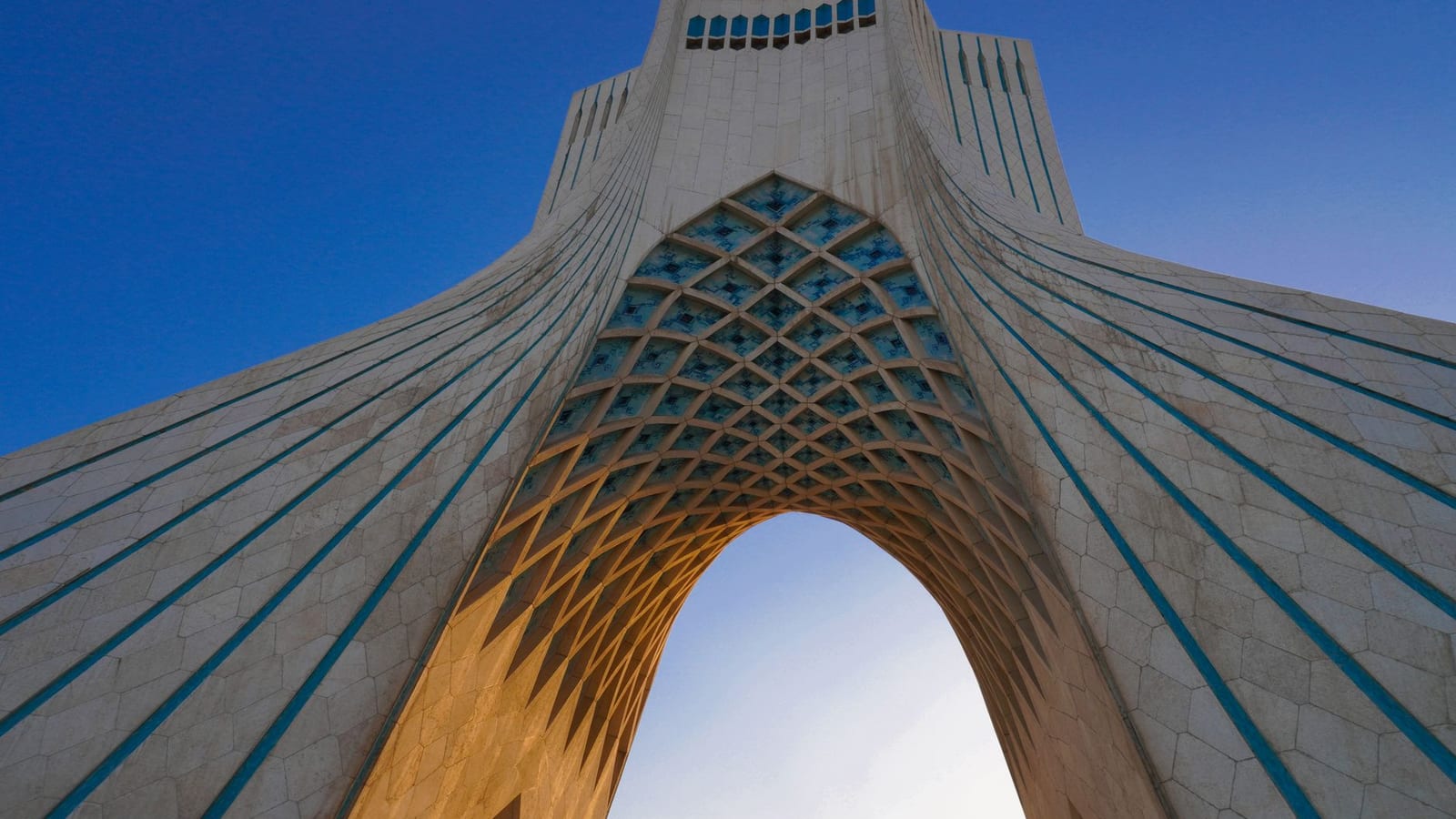
A narrow strip of water near Iran can decide what Indians pay for petrol, air tickets, and imported goods.
That is why the possible US and Iran understanding matters far beyond West Asia. It is not only about soldiers, ships, or diplomats in closed rooms.
For Indian travellers, Gulf workers, airlines, refiners, and exporters, the story begins with one simple fear. If the Strait of Hormuz shuts, prices can move very fast.
Hormuz carries the real pressure
The draft understanding aims to reopen Hormuz immediately, without tolls. Shipping traffic should return to earlier levels within 30 days, if both sides follow through.
The United States would also lift its naval blockade under the proposed terms. That matters because almost a quarter of global oil trade passes through this route.
About one-fifth of global liquefied natural gas also moves through Hormuz. LNG is gas cooled into liquid form, so ships can carry it across oceans.
For India, this is not a distant shipping story. We import most of our crude oil, and West Asia remains central to that supply.
When crude gets costlier, the pain travels quickly. Petrol, diesel, aviation fuel, freight charges, and some food prices can all feel the heat.
That is where travel enters the picture. Airlines hate oil shocks because jet fuel is one of their biggest costs.
A family planning a Dubai holiday, a worker flying back from Doha, or a student connecting through the Gulf may not track Hormuz daily. But their ticket price can quietly track it.
Frozen money remains the bargain
The draft also offers Iran access to frozen funds and relief on oil and petrochemical exports. The figure being discussed is about $24 billion.
That money would reportedly be released over 60 days. One version of the plan would free part of it before wider talks begin.
Iran wants faster access to the money. Washington wants relief linked to Iran’s conduct under the deal.
That is the old problem in every sanctions bargain. One side wants proof first, the other wants payment first.
For Tehran, the money offers breathing room. Sanctions have squeezed its oil sales, banks, and wider economy for years.
For the oil market, any easing can change supply expectations. More Iranian oil usually means less panic in prices, at least in the short run.
But Indian consumers should not expect instant relief at the fuel pump. Crude prices move first, retail prices move later, and taxes shape the final bill.
Still, calm in Hormuz helps. It tells refiners, airlines, and shipping companies that they can plan without adding a war-risk premium.
Nuclear talks get sixty days
The proposed deal does not settle the nuclear question. It tries to buy time for harder talks.
The current ceasefire would extend for 60 days, including in Lebanon. That pause would create space for a larger settlement.
Iran would pledge not to acquire a nuclear weapon. It would also address concerns over its stockpile of enriched uranium.
Enriched uranium is uranium processed for nuclear use. At low levels, it can fuel reactors. At high levels, it alarms weapons inspectors.
One option under discussion would let Iran dilute its highly enriched uranium inside the country. United Nations inspectors would supervise that process.
American officials believe the draft covers their nuclear demands. Iranian officials sound more cautious.
Foreign Ministry spokesman Esmail Baghaei said most of the text had been settled. He also accused Washington of adding fresh demands.
He made another point clearly. Iran, he said, would not cross its red lines.
That means the deal still sits in a fragile place. It may look close on paper, but politics can still pull it apart.
Israel watches from the side
Donald Trump has said the understanding could lead to a signing in Europe soon. He also said he cancelled planned strikes against Iran after progress in talks.
That statement surprised Israel Prime Minister Benjamin Netanyahu, who had not received advance warning before Trump spoke publicly.
Netanyahu later spoke with Trump. His office said Israel appreciated Trump’s promise on Iran’s nuclear and missile limits.
Israel is not a party to the memorandum. But it wants any final deal to remove enriched material and limit Iran’s missile programme.
It also wants Iran to stop supporting armed groups in the region. That demand will remain one of the toughest parts of any wider settlement.
Qatar has played mediator between Washington and Tehran. Qatari official Ali Al-Thawadi held talks with Iranian Foreign Minister Abbas Araghchi.
He also spoke with Trump envoys Steve Witkoff and Jared Kushner during the negotiations. That shows how much quiet diplomacy sits behind loud public claims.
Iranian officials have warned that no final decision has been announced. They have also pushed back against reports fixing a signing time and place.
That caution matters. In West Asia, deals often sound closest just before they stall.
For India, the wise reading is simple. A signed deal could cool oil nerves and steady Gulf travel. A failed one could bring back the same old anxiety, only sharper. Ordinary readers may not follow every clause, but they will feel the outcome in fares, fuel bills, and the cost of living.