Wayanad En Ooru Links Tribal Heritage And Tourism
En Ooru near Lakkidi brings tribal food, craft and culture into a 25-acre Wayanad tourism project aimed at creating steady local income.
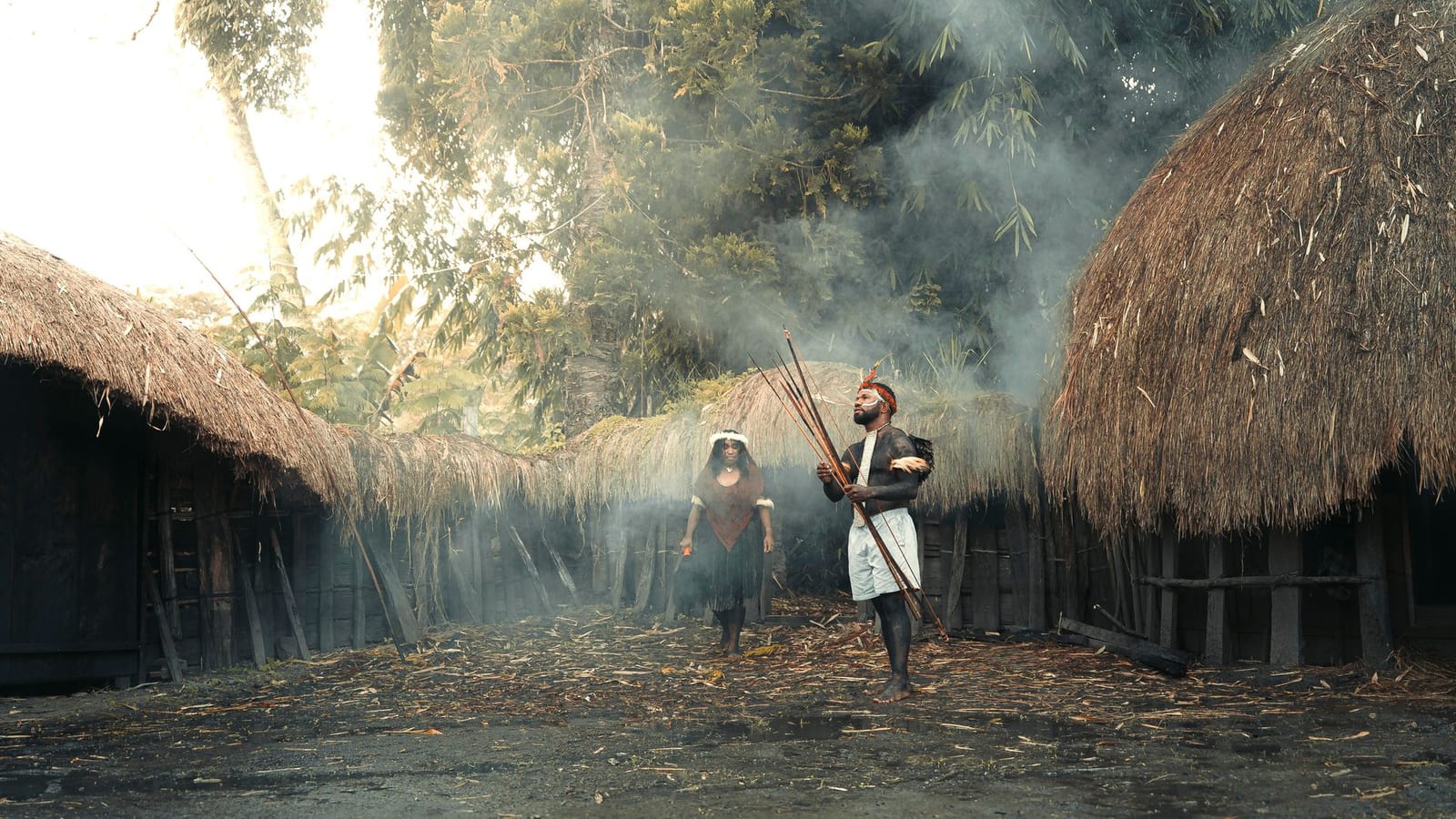
Mist moves first in Wayanad. Then the road bends, the hill opens, and a village appears.
That is the first surprise at En Ooru, Kerala’s first tribal heritage village near Lakkidi. It is not just another photo stop on the Wayanad route. It is a 25-acre attempt to place tribal culture, food, craft, income, and tourism under one roof.
For travellers, it offers a slow walk into a living culture. For tribal communities, the promise is more serious. The project aims to turn heritage into steady work, without reducing it to a souvenir counter.
A village above Lakkidi
The Kerala government conceived En Ooru to preserve tribal heritage and support traditional knowledge. The village has come up at Sugandhagiri in Vythiri, close to Lakkidi, one of Wayanad’s most familiar hill gateways.
The setting does half the storytelling. Visitors climb past green slopes, mist, and thatched structures designed to reflect older tribal homes. The idea is not a museum behind glass. It tries to create a place where people can see, taste, buy, and understand.
That matters because Wayanad’s identity has long rested on tribal communities. Kurichya, Kuruma, Paniya, Kattunayakan, and other groups carry distinct food habits, art forms, farming knowledge, and forest skills.
Tourism often loves such culture from a distance. En Ooru tries to bring visitors closer, while giving communities a way to earn from what they already know.
What visitors can expect
The village brings together craft stalls, forest produce, ethnic food, performances, and walking routes. Visitors can see handmade items, bamboo products, cane products, herbal goods, medicinal plants, and traditional farm produce.
There is also a market for forest produce, including wild honey. This is important because tourists often buy “local” products without knowing who made them. Here, the link between maker and buyer becomes clearer.
An open-air theatre will host tribal art performances for visitors. That could become the heart of the experience, if handled with care. Such performances work best when they explain context, not just movement and costume.
The project also plans cafeterias where visitors can try traditional tribal food along with other dishes. This is useful for families and first-time travellers, who may want curiosity and comfort on the same plate.
Food with memory and meaning
The food story here deserves attention. Wayanad’s tribal food traditions grew from forests, fields, seasons, and deep plant knowledge. They were practical before they became “heritage”.
Studies by the M S Swaminathan research network have recorded more than 100 edible wild plants in Wayanad’s tribal food traditions. Among the Paniya community alone, around 80 leafy greens were once used.
These were not restaurant inventions. Communities gathered many of these plants from nature. Leaves such as ponnaankanni, thazhuthama, muthil, and thavara formed part of older diets.
Some plants also carried medicinal value. Older generations knew which leaf suited the body, the season, and the ailment. That kind of knowledge does not survive automatically. It needs use, memory, and respect.
This is where En Ooru can do something meaningful. If its food spaces treat tribal cuisine as serious knowledge, not novelty, visitors will leave with more than a meal.
Livelihood beyond postcards
The project’s strongest promise lies in income. The village gives tribal artisans and producers a direct platform for crafts, food, forest produce, and traditional products.
There will be storage space for tribal beneficiaries to keep their products. Workshops will help artists make crafts and traditional items on site. These details may sound ordinary, but they matter.
A craftsperson needs more than applause. They need storage, buyers, time, tools, and fair prices. A food entrepreneur needs hygiene support, predictable footfall, and repeat customers.
If En Ooru gets these basics right, it can become more than a weekend stop. It can become a small but steady income channel for local communities.
The risk, of course, is familiar. Heritage tourism can become too polished. Once culture gets packaged for visitors, it can lose its rough edges and truth. En Ooru will need local voices at the centre, not just in the frame.
Timings, tickets and access
En Ooru is open from 9 am to 5 pm. Entry costs Rs 50 for adults and Rs 20 for children. The jeep service costs Rs 30 for adults and Rs 20 for children.
For travellers planning from outside Wayanad, Kozhikode airport is about 78 km away. Kannur airport is farther, at around 121 km. Kozhikode railway station is about 62 km from the village.
Mysuru railway station is around 157 km away. Kozhikode bus stand is about 60 km away. By road, Kochi is listed at 236 km, Thiruvananthapuram at 429 km, and Mysuru at 157 km.
The village has also shared a contact number, 9778783522, for visitor queries. Families should check local weather before travelling, especially in the monsoon. Wayanad’s beauty often comes with slippery roads and sudden rain.
For Indian travellers, En Ooru offers a useful reminder. The best trips are not always about ticking off viewpoints. Sometimes, they ask us to slow down and notice who has kept a place alive long before tourism arrived.