Ashadhi Ekadashi Goes Digital as Wari Faith Spreads
Ashadhi Ekadashi 2026 saw Maharashtra's Wari devotion move online, as WhatsApp greetings and status posts extended Pandharpur's festival economy.
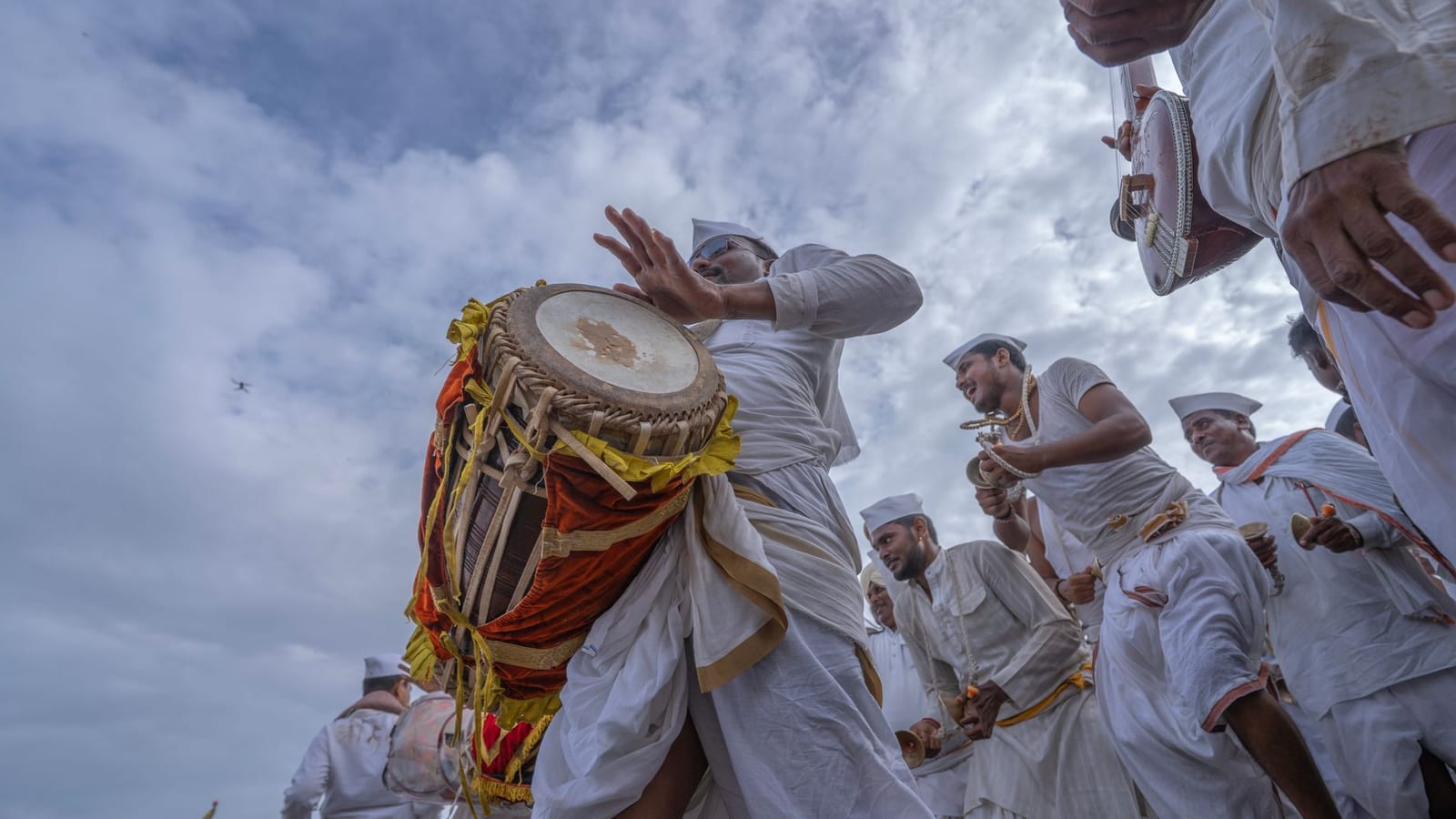
On Saturday, July 25, 2026, Ashadhi Ekadashi moved from temple queues to phone screens.
In Pandharpur, Warkaris walked, prayed, waited, sang and folded hands before Vitthal. Across Maharashtra, families did the same thing in a modern way. They sent greetings on WhatsApp, posted devotional lines, and changed status messages before breakfast.
That small digital ritual says a lot about India’s festival economy. Faith still travels on foot. It also travels through data packs, Instagram captions, design templates and family groups.
July 25 carried old weight
Ashadhi Ekadashi falls on the eleventh day of the bright half of Ashadha. In 2026, that day was Saturday, July 25. Devotees also know it as Devshayani Ekadashi.
For the Warkari tradition, this is not just one more date. It marks the high point of the annual Wari, the long pilgrimage to Pandharpur. Lakhs of devotees walk towards Lord Vitthal and Rukmini with cymbals, flags and chants.
The familiar cry of “Dnyanoba Tukaram” is not a slogan for a poster. It is the sound of a moving public culture. It carries devotion, discipline and a strong idea of equality.
The Shri Vitthal Rukmini Mandir becomes the centre of that movement. Around it, the town changes shape for several days. Queues stretch, food stalls fill up, transport gets stretched, and small shops work longer hours.
Reports around this year’s Wari placed the crowd in the lakhs, with some local estimates crossing 25 lakh. Even if one keeps the numbers cautious, the scale is huge.
That scale matters for faith. It also matters for business. Every pilgrim needs water, food, transport, phone charging, medical support and a place to rest.
Greetings became a parallel ritual
The July 24 Marathi greeting guide captured another side of the festival. It listed messages for family, friends and loved ones, made for WhatsApp status, Facebook posts and Instagram captions.
The formats were familiar and warm. Some greetings invoked the Chandrabhaga riverbank. Some prayed for health, peace, success and prosperity. Some used simple lines around “Vitthal” and “Pandurang”.
This is how festivals now spread in middle-class homes. One person wakes up early, finds the right Marathi line, and sends it to ten groups. By noon, the same message has travelled through cousins, office groups and housing societies.
There is nothing fake about this. Many people cannot join the Wari. Some live in Mumbai, Pune, Nagpur, Bengaluru, Dubai or New Jersey. A short greeting becomes their small act of participation.
For older relatives, a Marathi message feels respectful. For younger users, a short caption does the job. For brands, this creates a predictable festival content cycle.
That is why greeting formats matter. They show what people want to say, but cannot always write themselves. Digital India has made emotion searchable.
The business behind devotion
A festival like Ashadhi Ekadashi does not sit neatly inside a balance sheet. Yet it pushes money through many small channels.
In Pandharpur, vendors selling flowers, tulsi, coconuts, snacks and tea see sharp seasonal demand. Small lodges, transport operators and eateries plan around the rush. Even a modest rise in footfall can decide a month’s income.
Outside the temple town, the business shifts online. Designers make greeting cards. Local language pages post ready-made messages. Small businesses send festival creatives to customers. Religious shops promote puja items and fasting foods.
For a kirana store owner in a tier-2 city, the day may mean more demand for sabudana, groundnuts, potatoes and fruit. For a printer, it may mean banners and small devotional posters. For a social media freelancer, it means festive content packs.
This is the part many corporate decks miss. India’s consumption story is not only about malls and apps. It runs through calendars, rituals and family habits.
Ashadhi Ekadashi is also a reminder that language matters. Marathi greetings travel better in Marathi homes than polished English lines. A brand that forgets this sounds distant.
That is why regional content has become valuable. It is not just translation. It is trust. People know when a greeting sounds like it came from their own home.
Platforms gain from festivals
WhatsApp is the main road for such greetings. Instagram is the display window. Facebook still matters for older users and community pages.
None of these platforms created the devotion. But they profit from the attention around it. Every forwarded message, shared image and status update keeps users inside the app for longer.
This is where the business story gets sharp. Religious content often looks simple, but it is high-engagement material. It carries emotion, identity and timing. That makes it powerful for platforms and publishers.
For digital publishers, festival guides bring predictable traffic. For users, they solve a small need. For advertisers, they gather audiences at exactly the right moment.
But there is a thin line here. Faith-based content should not become lazy keyword farming. Readers can spot hollow writing quickly, especially in their own language.
The better approach is useful and respectful. Give the date clearly. Explain the meaning simply. Offer greetings that sound natural. Avoid turning devotion into a discount banner.
Ashadhi Ekadashi 2026 showed that India’s old festivals are not fading in the digital age. They are changing routes. The Warkari still walks to Pandharpur, while the family greeting travels by phone. For ordinary readers and small businesses, the lesson is simple. The next big market signal may not come from a boardroom. It may arrive quietly, in a festival message sent before morning tea.