Monsoon hits states as roads shut and crashes kill
Heavy rain shut roads, triggered alerts and worsened travel risks across states as crashes, politics and public complaints shaped the weekly mood.
A Sunday evening news scroll can tell India’s real mood better than any drawing-room debate.
On July 26, state after state told the same story in different accents. Rain disrupted travel. Road crashes killed families. Political fights turned personal. Job promises, police action, consumer complaints, and temple crowds all sat in one crowded public diary.
This is not just “state news”. This is how Indians plan their week, cancel a trip, check a result, avoid a bad road, or decide whether public services still work.
Monsoon anxiety enters daily life
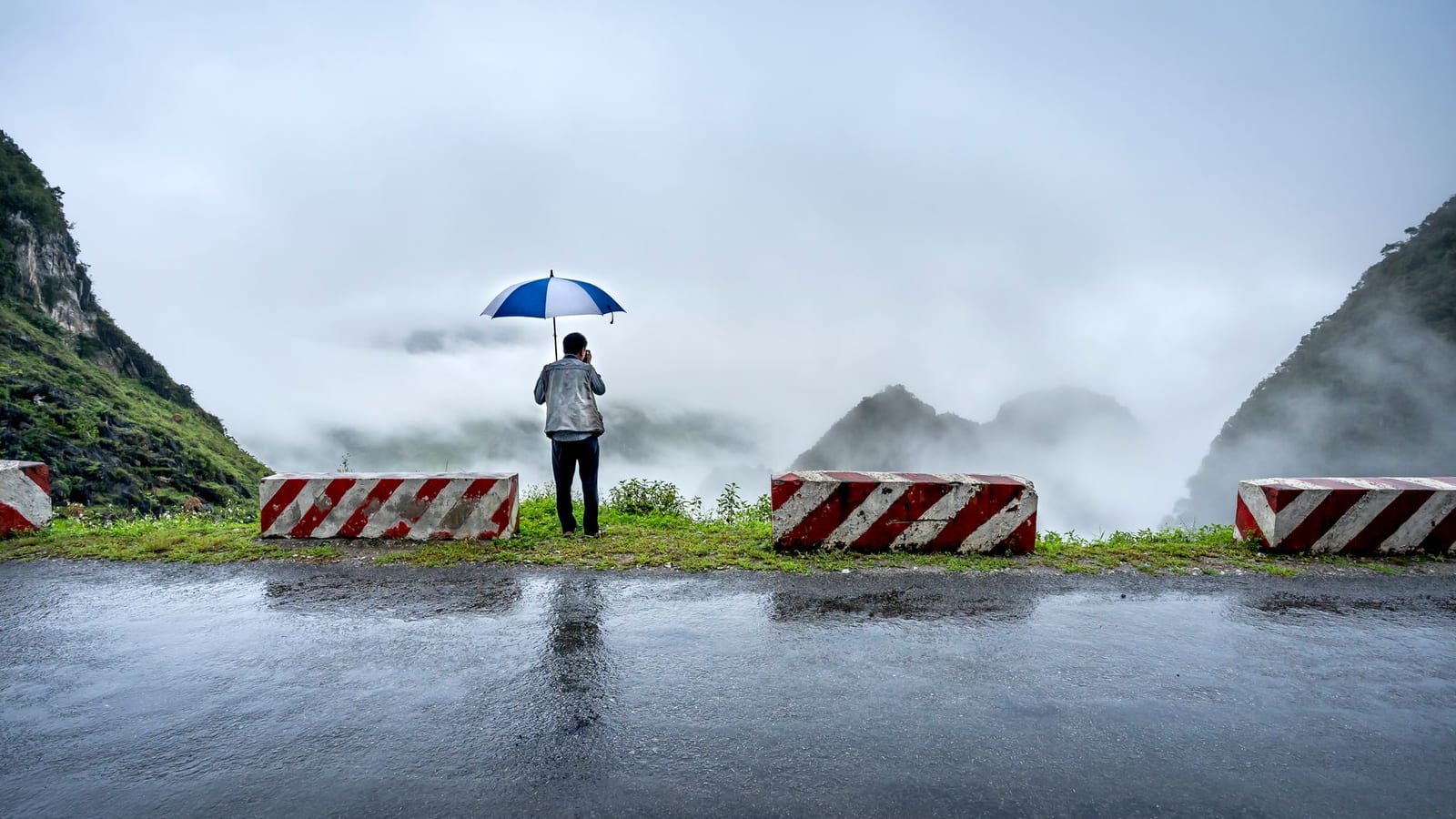
In Himachal Pradesh, officials reported 134 roads shut after heavy rain. The state also faced alerts for very heavy rain from July 28. A separate accident killed 13 people after a rock fell on a Sumo vehicle.
For families heading uphill, that changes everything. A hotel booking becomes a weather calculation. A wedding trip becomes a risk call. A simple village commute can turn into a long wait.
Chhattisgarh also faced heavy rain warnings, with reports of four deaths. The India Meteorological Department flagged stormy weather, lightning, and more showers. For farmers, this is not just a forecast. It is a decision on sowing, storage, and livestock safety.
The monsoon has always shaped Indian life. But the new pattern feels sharper. Cities flood faster. Hillside roads collapse more often. Families now check alerts with the seriousness once reserved for exam results.
Roads, hospitals, and public trust
In Bihar, road accidents killed 10 people, including an uncle and nephew. The phrase “speeding” appears often in such reports. Behind it sit poor enforcement, tired drivers, bad lighting, and risky highways.
A road death in India rarely ends with one headline. It can remove a wage earner, leave hospital bills unpaid, and push a family into debt. That is the real cost hidden behind casualty numbers.
In Haryana, a disturbing medical case came from Nuh. A patient reportedly had a wound in the left leg, but doctors operated on the right leg. If confirmed, it points to a basic failure in hospital checks.
Such cases hurt trust deeply. People do not expect miracles from public systems. They expect attention, records, and responsibility. When even that slips, families carry fear into every clinic visit.
Haryana also moved on infrastructure. The FNG Expressway, meant to connect three NCR districts, may finally gain pace. For daily commuters, that could mean fewer lost hours and less fuel wasted.
Politics keeps getting personal
In Bihar, election season noise already sounds loud. Prashant Kishor drew attention over remarks linked to Pawan Singh. Samrat Choudhary targeted Lalu Prasad Yadav, Rabri Devi, and Tejashwi Yadav in another exchange.
These are not quiet policy arguments. They are sharp, personal, and made for instant circulation. Bihar politics has long mixed caste, charisma, resentment, and performance. Now social media adds speed to the old theatre.
Tej Pratap Yadav’s arrest also triggered reactions from Tejashwi Yadav and Rohini Acharya. Samrat Choudhary again came under attack. The state’s political families remain central to public conversation.
Maharashtra saw its own speculation. Chief Minister Devendra Fadnavis responded to talk about a possible move into national politics. Such rumours matter because Mumbai and Delhi read Maharashtra closely.
For voters, the daily drama can feel exhausting. Yet it also signals something real. Regional politics still shapes jobs, roads, police behaviour, and local welfare more directly than national slogans.
Jobs, exams, and young ambition
Haryana Chief Minister Nayab Saini listed his government’s work, including 60,000 jobs. He also spoke about women and farmers. In a state where coaching centres, exams, and migration shape youth life, job numbers carry weight.
But young Indians have grown careful with promises. They look for exam dates, appointment letters, pay scales, and court cases. A job announcement matters only when it survives paperwork.
Jharkhand BJP leader Babulal Marandi alleged a “rate chart” for becoming an officer, claiming different sums for mains and interviews. Such charges cut straight into middle-class anxiety.
A government job still means respect, security, and marriage-market value in many homes. When recruitment faces corruption charges, it shakes faith far beyond one exam hall.
Chhattisgarh saw Enforcement Directorate action in a paper leak case. The former head of the state public service commission was arrested. For aspirants, paper leaks are not abstract corruption. They steal years, savings, and confidence.
Consumer life gets sharper teeth
In Maharashtra, a consumer case offered a rare moment of satisfaction. A customer who expected an iPhone allegedly received beard-growth oil instead. The consumer will now get Rs 1.8 lakh.
That story sounds almost comic at first. But it says plenty about modern shopping. Indians now buy expensive phones online, trust delivery chains, and expect quick redress when things go wrong.
A decade ago, many families hesitated to fight a wrong delivery. Today, consumers screenshot, complain, escalate, and go legal. That shift shows a more demanding Indian buyer.
Jharkhand also prepared for the Shravan fair with AI drones and 11,500 police personnel. Faith gatherings now require crowd science, surveillance, traffic control, and medical readiness.
This is modern Indian lifestyle in its most practical form. Religion, travel, safety, shopping, jobs, and politics all meet in the same week. The ordinary citizen moves through all of it.
The larger signal is clear. India’s real story does not live only in Parliament, markets, or celebrity feeds. It lives in flooded roads, exam centres, consumer courts, hospitals, and district police lines. For ordinary readers, the next question is simple: will public systems keep pace with the life people are already trying to build?