Mamdani Seeks Federal Action on Netanyahu ICC Warrant
New York Mayor Zohran Mamdani says only US federal authorities can act on the ICC warrant if Benjamin Netanyahu visits for the UN meeting.
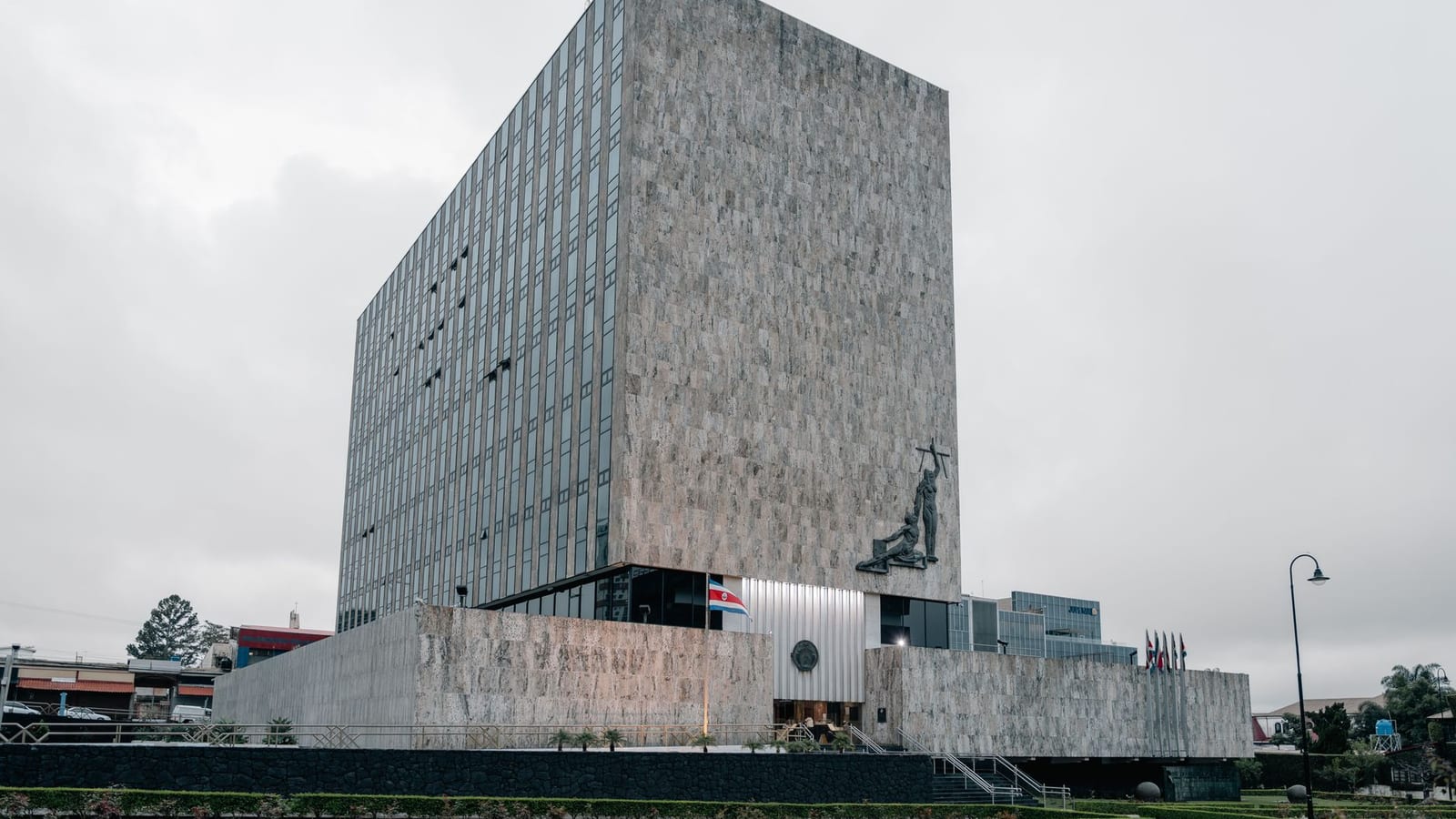
A planned UN visit has turned into a political stress test for New York, Israel, and Washington.
Benjamin Netanyahu says he will still travel to New York in September for the UN General Assembly. But Zohran Mamdani, New York’s mayor, has said the Israeli prime minister is not welcome in the city.
That one sentence has now become much bigger than one visit. It touches Gaza, American politics, Jewish safety, protest rights, and the limits of local power.
Netanyahu turns on New York mayor
Netanyahu accused Mamdani of stirring hatred after the mayor urged action against him over the war in Gaza.
Speaking on Fox News, Netanyahu said a mayor should represent every community in the city. He listed Jews, Christians, Muslims, and others, then accused Mamdani of setting people against each other.
Mamdani’s position is blunt. He has said Netanyahu should face arrest if he enters the United States because of the International Criminal Court warrant against him.
But Mamdani also accepted a key legal limit. New York City, he said, cannot enforce that warrant on its own. He has instead asked the federal government to act.
That distinction matters. A city mayor can make a strong political statement. But arrests tied to international warrants sit with national authorities, not a local police department.
The ICC warrant at the centre
The International Criminal Court has accused Netanyahu and others of grave crimes linked to the Gaza war.
Netanyahu rejects the case completely. He called the charges false and politically driven. He also attacked the court’s credibility after allegations against its prosecutor.
For ordinary readers, the court process can sound distant. In simple terms, the ICC tries cases involving war crimes and crimes against humanity. It acts when national systems cannot or will not act.
But the court has no police force of its own. It depends on countries to enforce its warrants.
That is why Mamdani’s call matters politically, even if New York City has limited legal power. It puts pressure on Washington, where support for Israel has long shaped foreign policy.
Gaza keeps reshaping the debate
The clash comes from the long shadow of Gaza.
The war began after Hamas attacked southern Israel on October 7, 2023. Around 1,200 people, mostly civilians, were killed in that attack.
Israel’s offensive in Gaza has killed more than 73,000 people, according to the territory’s Health Ministry. It says women and children make up about half the dead.
Numbers that large can become numb on a screen. But they shape public anger in very real ways, including on American streets and campuses.
Mamdani’s message draws strength from that anger. Netanyahu’s response draws from another fear, that criticism of Israel can turn into hostility toward Jews.
New York sits right inside that tension. The city has a large Jewish population, strong Muslim communities, and a loud tradition of protest.
Washington faces a harder split
Netanyahu also said he worries about American support for Israel becoming less stable.
For decades, Israel enjoyed support from both major parties in Washington. That old agreement has weakened, especially among younger and progressive Democrats.
Mamdani belongs to that sharper edge of the debate. His politics reflect a generation that views Gaza through rights, occupation, and civilian suffering.
Donald Trump has backed Netanyahu firmly. He said Netanyahu would not be arrested while in the United States.
That puts the federal position in clear contrast with Mamdani’s demand. It also shows where the real power lies.
A mayor can shape the mood of a city. A president, or federal government, decides how America handles an international warrant.
For Indian readers, the pattern feels familiar. Foreign policy often looks grand from a distance. Up close, it becomes a fight over neighbourhood safety, identity, and protest.
New York becomes the stage
The UN General Assembly has always brought uncomfortable guests to New York.
World leaders arrive with security convoys, speeches, grudges, and unresolved wars behind them. Local residents deal with road closures, protests, and heavy policing.
This year, Netanyahu’s expected visit carries extra heat. Mamdani has already told protesters that the city will respect public expression.
That gives New Yorkers a clear signal. Demonstrations are likely, and the political theatre will not stay inside the UN building.
For Jewish residents worried about antisemitism, the moment may feel tense. For Palestinians and their supporters, Netanyahu’s visit may feel like an insult.
For the average office worker in Manhattan, it may also mean blocked streets and sirens. Big geopolitics often enters daily life that plainly.
Netanyahu is expected to visit Washington before the UN trip. His September plan for New York remains unchanged for now.
What happens next will depend less on Mamdani’s rhetoric and more on Washington’s choices. But the message is already clear. Gaza has travelled far beyond the battlefield, into elections, city halls, and the everyday nerves of people who only want to feel safe where they live.